Edicola votiva San Biagio, Madonna del Carmine e Anime Purganti, Sant’Oronzo
IT
- Location
- IT
- Category
- heritage historic sites
- Coordinates
- 40.7329124, 17.5788468
- Best time
- Morning or early afternoon
- Weather tip
- Check the local forecast before visiting.
Overview
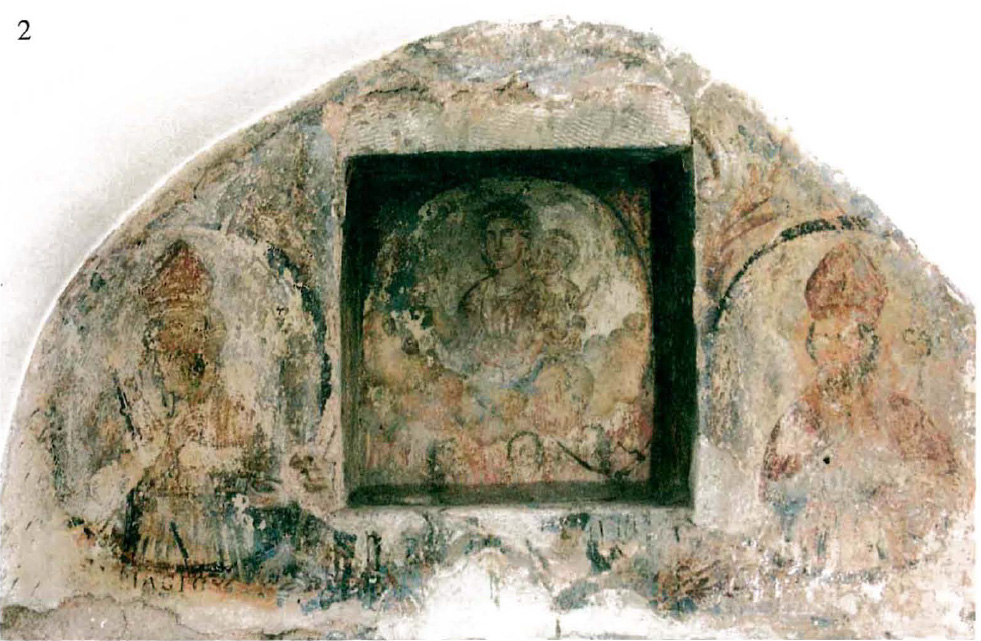
The Edicola votiva San Biagio, Madonna del Carmine e Anime Purganti, Sant’Oronzo is a significant example of Italian religious folk art, characterized by a small, protected niche (n.2) containing three distinct tempera-on-plaster paintings. This site serves as a testament to the tradition of street-side shrines, which were historically established to provide spiritual comfort and protection to passersby in urban environments. The three subjects depicted are Saint Blaise (San Biagio), the Madonna of Mount Carmel with the Souls in Purgatory, and Saint Orontius (Sant’Oronzo), the patron saint of Lecce. Visitors interested in the intersection of faith and local history will find this a fascinating stop when exploring regional heritage sites. These votive shrines offer a unique glimpse into the devotional practices that have shaped Italian streetscapes for centuries. For those planning their trip ideas, this site provides a quiet moment of reflection amidst the bustle of city life. The artwork, while modest in scale, reflects the deep-rooted religious culture of the area. It is recommended to visit during the morning or early afternoon to take full advantage of natural light, which enhances the visibility of the tempera details. As you plan what to do in the area, consider this niche a must-see for enthusiasts of ecclesiastical history and traditional Italian mural art.
General information
The Edicola votiva San Biagio, Madonna del Carmine e Anime Purganti, Sant’Oronzo is a significant example of Italian religious folk art, characterized by a small, protected niche (n.2) containing three distinct tempera-on-plaster paintings. This site serves as a testament to the tradition of street-side shrines, which were historically established to provide spiritual comfort and protection to passersby in urban environments. The three subjects depicted are Saint Blaise (San Biagio), the Madonna of Mount Carmel with the Souls in Purgatory, and Saint Orontius (Sant’Oronzo), the patron saint of Lecce. Visitors interested in the intersection of faith and local history will find this a fascinating stop when exploring regional heritage sites. These votive shrines offer a unique glimpse into the devotional practices that have shaped Italian streetscapes for centuries. For those planning their trip ideas, this site provides a quiet moment of reflection amidst the bustle of city life. The artwork, while modest in scale, reflects the deep-rooted religious culture of the area. It is recommended to visit during the morning or early afternoon to take full advantage of natural light, which enhances the visibility of the tempera details. As you plan what to do in the area, consider this niche a must-see for enthusiasts of ecclesiastical history and traditional Italian mural art.
Did you know
- The shrine contains three distinct tempera paintings within a single niche.
- Sant'Oronzo, depicted in the shrine, is the patron saint of the city of Lecce.
- Votive shrines like this one were traditionally placed to offer spiritual protection to travelers and locals.
History
Votive shrines (edicole votive) have been a fixture of Italian urban architecture since the medieval period. They were often commissioned by local guilds, wealthy families, or religious confraternities to mark street corners or building facades. The use of tempera on plaster was a common technique for these outdoor shrines, as it allowed for relatively quick execution. The presence of Saint Orontius suggests a strong connection to the religious identity of the Salento region, where he is venerated as the primary protector of the city. While the specific date of this shrine's creation is not documented in the provided records, the stylistic choice of grouping these three specific figures reflects a period of intense local devotion to both regional and universal saints.
Cultural significance
This shrine represents the 'religion of the streets,' a cultural phenomenon where sacred art was integrated into the daily lives of citizens. By placing these images in public view, the community sought to invite divine intercession for the health and safety of the neighborhood. The inclusion of the Souls in Purgatory alongside the Madonna of Mount Carmel highlights the theological importance of intercessory prayer in local Catholic tradition. These sites serve as communal markers, often becoming focal points for small processions or individual acts of piety, such as the lighting of a candle, maintaining a living link to the historical religious fabric of the community.
Geography and landscape
The shrine is situated within an urban context, typical of the dense, historic city centers found in Southern Italy. It is integrated directly into the architecture of a building, forming a small, recessed niche that breaks the continuity of the street wall. This location is designed to be visible to pedestrians, acting as a quiet spiritual anchor in a busy thoroughfare. The surrounding landscape is defined by the stone masonry characteristic of the region, which provides a durable, if weathered, backdrop for the delicate tempera paintings. Access is generally at street level, making it an easily reachable point of interest for those walking through the historic district.
More facts
- Imported from OSM batch
Visitor links
Nearby attractions
- Edicola votiva (Via Pompeo Patrelli) 35 m
- Edicola votiva della Madonna del Carmine o di Sant’Oronzo (?) 35 m
- Edicola votiva Madonna del Carmine 54 m
- Edicola votiva San Pasquale Baylon 56 m
- Edicola votiva Madonna con Bambino 81 m
- Edicola Votiva San Biagio, Madonna del Carmine, Sant’Oronzo, Colomba dello Spirito Santo 83 m
- Edicola votiva Cuore di Gesù 89 m
- Edicola votiva Cuore di Gesù 93 m