Edicola votiva (Via Pompeo Patrelli)
IT
- Location
- IT
- Category
- heritage historic sites
- Coordinates
- 40.7331931, 17.5790414
- Best time
- Morning or early afternoon
- Weather tip
- Check the local forecast before visiting.
Overview
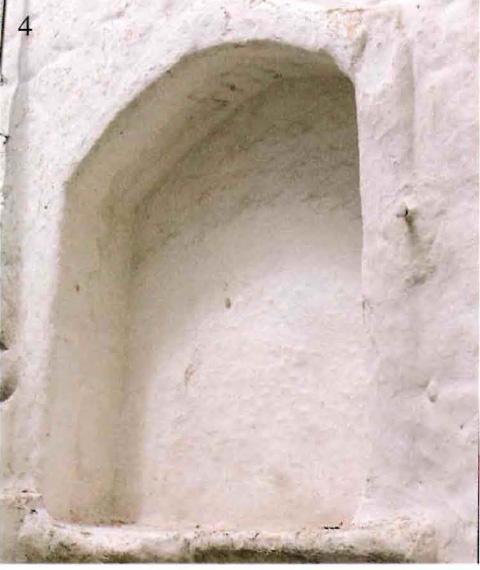
The Edicola votiva, located on Via Pompeo Patrelli, represents a significant example of traditional Italian street-side religious iconography. These small shrines, or aediculae, were historically established to provide a focal point for communal prayer and to mark the spiritual boundaries of a neighborhood. The specific structure at this location, identified as niche number four, is of particular interest to historians and conservators due to the underlying layers of plaster. Scientific analysis and visual inspection suggest the presence of 'lacerti'—fragmentary remnants of original frescoes or decorative paint—hidden beneath the modern layers of whitewash. For those interested in urban history and local heritage, these shrines offer a unique window into the devotional life of past generations. Visitors exploring the area will find that such sites are essential components of the historical fabric of Italian towns. When considering what to do in the area, taking a moment to examine these quiet, often overlooked architectural details provides a deeper appreciation for the layers of history preserved in our streets. While the site is modest in scale, its preservation is a vital link to the artistic and religious customs of the region. As you plan your itinerary, consider these small monuments as key stops for those seeking authentic places to visit that reveal the hidden, historical character of the local environment.
General information
The Edicola votiva, located on Via Pompeo Patrelli, represents a significant example of traditional Italian street-side religious iconography. These small shrines, or aediculae, were historically established to provide a focal point for communal prayer and to mark the spiritual boundaries of a neighborhood. The specific structure at this location, identified as niche number four, is of particular interest to historians and conservators due to the underlying layers of plaster. Scientific analysis and visual inspection suggest the presence of 'lacerti'—fragmentary remnants of original frescoes or decorative paint—hidden beneath the modern layers of whitewash. For those interested in urban history and local heritage, these shrines offer a unique window into the devotional life of past generations. Visitors exploring the area will find that such sites are essential components of the historical fabric of Italian towns. When considering what to do in the area, taking a moment to examine these quiet, often overlooked architectural details provides a deeper appreciation for the layers of history preserved in our streets. While the site is modest in scale, its preservation is a vital link to the artistic and religious customs of the region. As you plan your itinerary, consider these small monuments as key stops for those seeking authentic places to visit that reveal the hidden, historical character of the local environment.
Did you know
- The term 'lacerti' refers to the surviving fragments of ancient or historical paintings.
- Votive niches were traditionally maintained by local residents to ensure protection for the neighborhood.
- Whitewashing was a common practice in the 20th century to sanitize and brighten urban spaces, often covering older decorative art.
History
Votive shrines like the one on Via Pompeo Patrelli were common features in Italian urban planning from the Renaissance through the 19th century. They served as public markers of piety, often commissioned by wealthy families or local guilds to invoke divine protection for a street or district. The specific history of the niche at number four is tied to the evolution of the surrounding building. The presence of 'lacerti' beneath the lime-wash indicates that the structure once housed more elaborate devotional art, likely dating back to a period when the street was a primary thoroughfare for local residents. Over time, these sites were often modified or obscured as architectural tastes and urban maintenance standards changed.
Cultural significance
Culturally, the Edicola votiva serves as an anchor for community identity. In Italian tradition, these shrines acted as open-air altars where people would stop for a brief prayer during their daily commute. They represent the intersection of private faith and public space, blurring the lines between the domestic and the communal. The ongoing interest in the 'lacerti' beneath the plaster reflects a broader cultural movement in Italy to identify, catalog, and preserve minor heritage sites that are often overshadowed by major monuments, ensuring that the vernacular history of the city remains intact for future generations.
Geography and landscape
The shrine is integrated into the urban landscape of Via Pompeo Patrelli, positioned directly into the facade of a traditional masonry building. It functions as a street-level architectural element, typical of the dense, historic urban cores found throughout Italy. The surrounding environment is characterized by narrow streets and building facades that have been adapted over centuries. The niche is positioned at a height that allows for visibility from the street, maintaining its original purpose as a public-facing religious marker. The site is best appreciated in daylight, which highlights the texture of the plaster and the architectural form of the niche.
More facts
- Imported from OSM batch
Visitor links
Nearby attractions
- Edicola votiva della Madonna del Carmine o di Sant’Oronzo (?) 21 m
- Edicola votiva San Pasquale Baylon 24 m
- Edicola votiva San Biagio, Madonna del Carmine e Anime Purganti, Sant’Oronzo 35 m
- Edicola votiva Madonna con Bambino 46 m
- Edicola votiva Cuore di Gesù 58 m
- Edicola votiva Santi Medici 67 m
- Edicola votiva San Biagio, Deposizione dalla Croce, Sant’Oronzo, Colomba dello Spirito Santo 73 m
- Edicola votiva Madonna del Carmine 79 m