Edicola votiva della Madonna del Carmine o di Sant’Oronzo (?)
IT
- Location
- IT
- Category
- heritage historic sites
- Coordinates
- 40.7332227, 17.5787955
- Best time
- Morning or early afternoon
- Weather tip
- Check the local forecast before visiting.
Overview
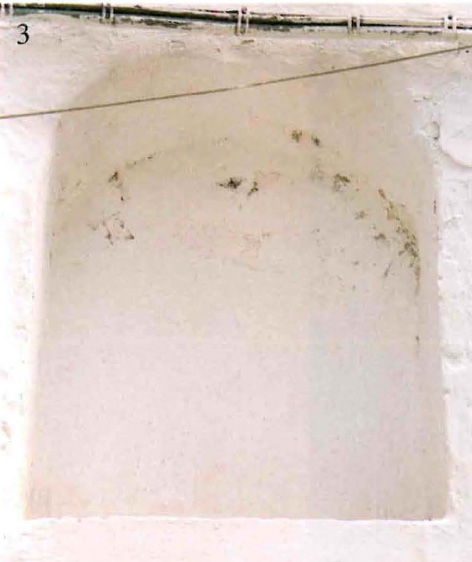
The Edicola Votiva (n.3) represents a modest yet significant element of Italy's widespread tradition of street-side devotional shrines. Often found tucked into the masonry of historic urban centers, these niches served as focal points for communal piety and neighborhood protection. This specific site is characterized by its simple, lime-washed finish, which currently obscures the original artistic content. According to local oral traditions, the niche once housed a devotional image, with historical accounts suggesting the subject was either the Madonna del Carmine or Saint Oronzo. While the physical image is no longer visible, the structure itself remains a testament to the cultural fabric of the area. For those interested in historical preservation and the nuances of Italian urban heritage, observing these understated shrines provides a unique glimpse into the daily life and spiritual habits of past generations. When planning your trip ideas for exploring hidden historical gems, these small-scale features offer a quiet contrast to the grander monuments of the region. Visitors will find that these sites are best appreciated during daylight hours, when the natural light highlights the architectural details of the masonry. As you look for places to visit that reveal the authentic, lived-in history of Italian towns, the Edicola Votiva stands as a reminder of the layers of memory embedded in our public spaces.
General information
The Edicola Votiva (n.3) represents a modest yet significant element of Italy's widespread tradition of street-side devotional shrines. Often found tucked into the masonry of historic urban centers, these niches served as focal points for communal piety and neighborhood protection. This specific site is characterized by its simple, lime-washed finish, which currently obscures the original artistic content. According to local oral traditions, the niche once housed a devotional image, with historical accounts suggesting the subject was either the Madonna del Carmine or Saint Oronzo. While the physical image is no longer visible, the structure itself remains a testament to the cultural fabric of the area. For those interested in historical preservation and the nuances of Italian urban heritage, observing these understated shrines provides a unique glimpse into the daily life and spiritual habits of past generations. When planning your trip ideas for exploring hidden historical gems, these small-scale features offer a quiet contrast to the grander monuments of the region. Visitors will find that these sites are best appreciated during daylight hours, when the natural light highlights the architectural details of the masonry. As you look for places to visit that reveal the authentic, lived-in history of Italian towns, the Edicola Votiva stands as a reminder of the layers of memory embedded in our public spaces.
Did you know
- The term 'Edicola' derives from the Latin 'aedicula', meaning a small temple or shrine.
- Lime-washing was historically used not only for aesthetic purposes but also for its natural antibacterial and protective properties on masonry.
- Saint Oronzo is the patron saint of Lecce, often depicted in regional shrines to protect the city from plague and natural disasters.
History
The history of this specific niche is primarily documented through oral tradition rather than formal archival records. Edicole votive were frequently commissioned by private citizens or neighborhood guilds between the 17th and 19th centuries to mark significant intersections or to offer protection to passersby. The current lime-washed state suggests that the shrine may have undergone a period of neglect or intentional covering, common in many Italian urban centers where religious iconography was periodically updated or obscured. The ambiguity regarding the subject—whether it depicts the Madonna del Carmine or Saint Oronzo—reflects the shifting devotional priorities of the local community over time. Without physical evidence or restoration, the exact date of its construction remains unknown, though its structural form is consistent with traditional vernacular architecture found throughout the Italian peninsula.
Cultural significance
This shrine serves as a poignant example of 'micro-history,' where small, localized sites reflect larger cultural trends. In traditional Italian society, these niches were the 'parish' of the street, providing a space for personal prayer in the absence of a nearby church. The uncertainty surrounding the image—Madonna del Carmine or Saint Oronzo—highlights the importance of oral history in preserving identity. The Madonna del Carmine is a major figure in Carmelite devotion, often associated with protection, while Saint Oronzo is a vital figure in southern Italian hagiography. The presence of the niche, even in its current obscured state, signals the historical importance of faith in the public square, bridging the gap between private belief and shared urban life.
Geography and landscape
The Edicola Votiva is integrated directly into the urban landscape, typically found embedded within the load-bearing walls of older residential or commercial buildings. Its setting is defined by the surrounding masonry, often characterized by local stone or brickwork. These shrines are rarely isolated; they are part of a dense architectural network that defines the historic centers of Italian towns. The landscape is strictly man-made, reflecting the historical density of urban living where space was limited, necessitating the use of wall niches to incorporate sacred art into the everyday environment. The physical terrain is generally flat or gently sloping, typical of historical town planning, and the site is best experienced on foot as part of a wider exploration of the local urban fabric.
More facts
- Imported from OSM batch
Visitor links
Nearby attractions
- Edicola votiva (Via Pompeo Patrelli) 21 m
- Edicola votiva San Pasquale Baylon 25 m
- Edicola votiva San Biagio, Madonna del Carmine e Anime Purganti, Sant’Oronzo 35 m
- Edicola votiva Madonna con Bambino 53 m
- Edicola votiva Madonna del Carmine 64 m
- Edicola votiva Cuore di Gesù 70 m
- Edicola votiva San Biagio, Deposizione dalla Croce, Sant’Oronzo, Colomba dello Spirito Santo 71 m
- Edicola votiva Santi Medici 83 m