Edicola votiva (Via Stefano Trinchera)
IT
- Location
- IT
- Category
- heritage historic sites
- Coordinates
- 40.7349849, 17.5792835
- Best time
- Morning or early afternoon
- Weather tip
- Check the local forecast before visiting.
Overview
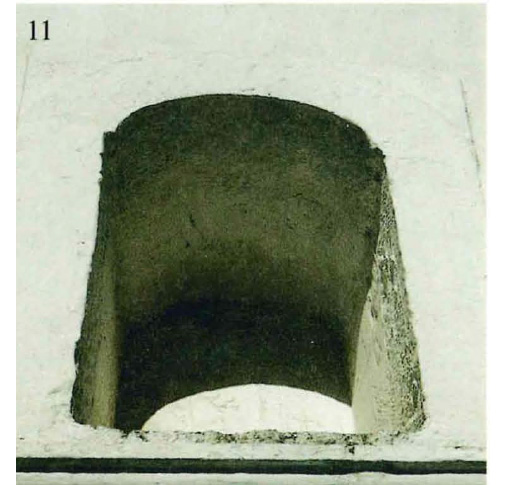
The Edicola Votiva, specifically identified as niche number 11, is a historical devotional structure located along Via Stefano Trinchera. These urban shrines, or edicole, represent a significant tradition of popular piety in Italy, serving as focal points for neighborhood religious practice. This particular example is characterized by its plastered exterior and its placement at a considerable elevation, which renders it largely obscured from the perspective of pedestrians on the narrow street below. Visitors interested in exploring the architectural details of local heritage will find this site an intriguing example of how religious devotion was integrated into the urban fabric of historical Italian towns. While it may not be immediately visible to the casual passerby, the niche serves as a quiet witness to the historical customs of the area. For those planning a visit, it is recommended to observe the structure during the morning or early afternoon when natural light provides the best visibility for examining the architectural features. As part of a broader collection of local attractions, this site offers a glimpse into the vernacular history of the streetscape. Exploring such hidden features is one of the most rewarding trip ideas for travelers interested in the intersection of faith and architecture. Please note that due to its elevated position, the niche is best appreciated from a distance that allows for an unobstructed view of its placement within the building's façade.
General information
The Edicola Votiva, specifically identified as niche number 11, is a historical devotional structure located along Via Stefano Trinchera. These urban shrines, or edicole, represent a significant tradition of popular piety in Italy, serving as focal points for neighborhood religious practice. This particular example is characterized by its plastered exterior and its placement at a considerable elevation, which renders it largely obscured from the perspective of pedestrians on the narrow street below. Visitors interested in exploring the architectural details of local heritage will find this site an intriguing example of how religious devotion was integrated into the urban fabric of historical Italian towns. While it may not be immediately visible to the casual passerby, the niche serves as a quiet witness to the historical customs of the area. For those planning a visit, it is recommended to observe the structure during the morning or early afternoon when natural light provides the best visibility for examining the architectural features. As part of a broader collection of local attractions, this site offers a glimpse into the vernacular history of the streetscape. Exploring such hidden features is one of the most rewarding trip ideas for travelers interested in the intersection of faith and architecture. Please note that due to its elevated position, the niche is best appreciated from a distance that allows for an unobstructed view of its placement within the building's façade.
Did you know
- The niche is officially cataloged as number 11 in local heritage surveys.
- The structure is finished with a plaster coating, a common preservation technique for outdoor devotional niches.
- Its elevated placement was traditionally intended to protect the sacred image from street-level damage.
History
Edicole votive, or votive niches, have been a fixture of Italian urban landscapes for centuries, dating back to medieval and Renaissance practices. They were commissioned by local residents, guilds, or noble families as expressions of public devotion or as markers of gratitude for spiritual protection. The specific history of the niche on Via Stefano Trinchera is tied to the tradition of placing religious iconography within the residential streetscape to sanctify public spaces. These structures evolved over time, often reflecting the architectural styles of the periods in which they were maintained or restored.
Cultural significance
The Edicola Votiva represents the intersection of private faith and public life. Culturally, these niches served as community anchors, often illuminated by small lamps or candles that provided light to dark streets at night. They acted as a form of social cohesion, where neighbors would gather to pray or maintain the site. The presence of such a niche on Via Stefano Trinchera indicates the historical importance of localized religious expression, where the street itself became a sanctuary for the inhabitants of the neighborhood.
Geography and landscape
The niche is situated within a dense urban context on Via Stefano Trinchera. The surrounding landscape is characterized by the traditional, tightly packed architecture typical of Italian historic centers. The terrain is flat, typical of urban street layouts, with the niche itself positioned high on a building façade. Because it is elevated, the niche interacts with the verticality of the street, requiring observers to look upward to identify the structure. The setting is strictly urban, defined by the narrow corridors of the street and the historical masonry of the surrounding residential buildings.
More facts
- Imported from OSM batch
Visitor links
Nearby attractions
- Edicola votiva (Via Agrippino Rossetti) 40 m
- Edicola votiva Crocifissione 76 m
- Edicola votiva San Giovannino 113 m
- Edicola votiva Madonna del Carmine 117 m
- Edicola votiva Madonna del Carmine 120 m
- Edicola votiva San Biagio, Deposizione dalla Croce, Sant’Oronzo, Colomba dello Spirito Santo 129 m
- Edicola votiva Cuore di Gesù 151 m
- Edicola votiva Madonna con Bambino 156 m