Calder Gardens
Philadelphia, US

- Location
- Philadelphia, US
- Category
- museums galleries
- Coordinates
- 39.9601, -75.1745
- Best time
- Morning or early afternoon
- Weather tip
- Check the local forecast before visiting.
Overview
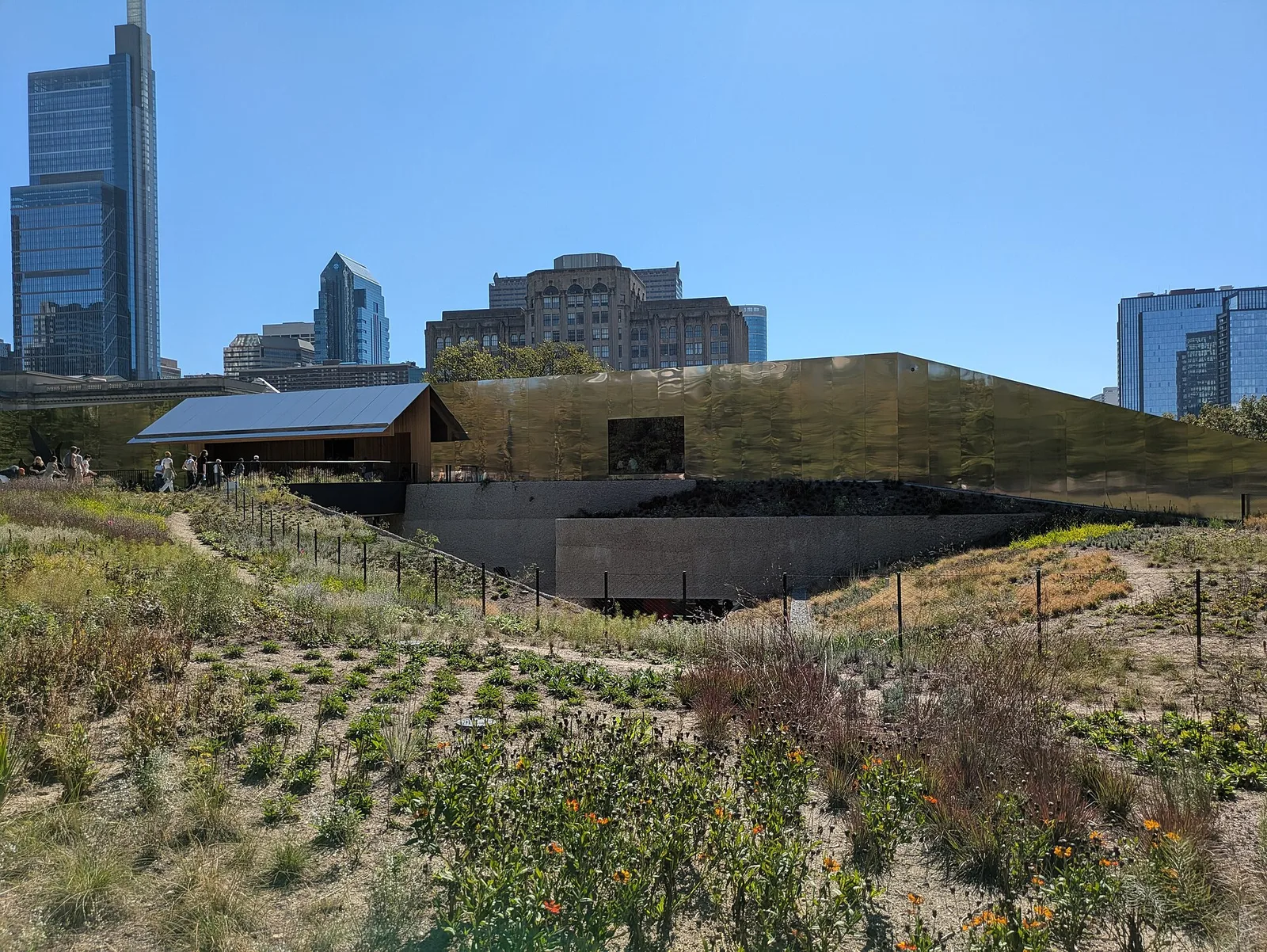
Calder Gardens in Philadelphia offers a distinctive experience, merging the monumental sculptures of Alexander Calder with a meticulously designed natural landscape. This unique institution, situated on the Benjamin Franklin Parkway, serves as a permanent home for a significant collection of Calder's works, presented both indoors and outdoors. Visitors can explore a series of galleries and open-air spaces, encountering the artist's iconic mobiles, stabiles, and paintings in a setting that encourages contemplation and interaction. As a premier destination among places to visit in Philadelphia, Calder Gardens provides an unparalleled opportunity to engage with the legacy of one of the 20th century's most influential artists, making it a compelling choice for those seeking cultural enrichment and artistic inspiration in the area.
General information
Calder Gardens in Philadelphia offers a distinctive experience, merging the monumental sculptures of Alexander Calder with a meticulously designed natural landscape. This unique institution, situated on the Benjamin Franklin Parkway, serves as a permanent home for a significant collection of Calder's works, presented both indoors and outdoors. Visitors can explore a series of galleries and open-air spaces, encountering the artist's iconic mobiles, stabiles, and paintings in a setting that encourages contemplation and interaction. As a premier destination among places to visit in Philadelphia, Calder Gardens provides an unparalleled opportunity to engage with the legacy of one of the 20th century's most influential artists, making it a compelling choice for those seeking cultural enrichment and artistic inspiration in the area.
Did you know
- No information available.
History
The concept for Calder Gardens originated from a long-standing aspiration of the Calder family and the Calder Foundation to establish a dedicated institution for Alexander Calder's work within a natural setting. This vision began to materialize with the selection of Philadelphia as the site, particularly its location on the Benjamin Franklin Parkway, a prominent cultural corridor. The project gained momentum through a partnership with the Pennsylvania Horticultural Society and significant philanthropic support. Designed by architects Herzog & de Meuron and landscape designer Piet Oudolf, the Gardens broke ground and officially opened in 2024, realizing decades of planning dedicated to presenting Calder's art in a harmonious environment.
Cultural significance
Calder Gardens holds substantial cultural significance as a dedicated center for the preservation, study, and exhibition of Alexander Calder's oeuvre. Its establishment in Philadelphia solidifies the city's position as a major cultural hub, offering a unique complement to its existing array of museums and public art. By presenting Calder's dynamic sculptures within a carefully curated landscape, the Gardens foster a deeper understanding of his pioneering contributions to modern art, particularly his innovative use of movement, balance, and spatial relationships. It serves as an educational resource and an inspirational space, connecting visitors with the enduring legacy of an artist who redefined sculpture for the 20th century and beyond.
Geography and landscape
Calder Gardens is strategically located on the Benjamin Franklin Parkway in Philadelphia, integrating seamlessly into the city's urban cultural landscape while providing an immersive natural environment. The site is characterized by its thoughtful landscape design, conceived by Piet Oudolf, known for his 'new perennial' style. This design features indigenous and adaptive plant species arranged to create varying textures, colors, and heights throughout the seasons, forming living backdrops and foregrounds for Calder's sculptures. The architectural elements, designed by Herzog & de Meuron, are subtly integrated, utilizing natural light and materials to create a dialogue between the indoor galleries and the outdoor garden spaces, allowing the art to be experienced in diverse natural and architectural contexts.
More facts
- Imported from OSM batch
- Imported from Wikidata
Visitor links
Nearby attractions
- Barnes Foundation Philadelphia - 157 m
- Rodin Museum Philadelphia - 207 m
- Benjamin Franklin National Memorial Philadelphia - 233 m
- Franklin Institute Philadelphia - 239 m
- Academy of Natural Sciences of Drexel University Philadelphia - 445 m
- Mütter Museum Philadelphia - 776 m
- Pennsylvania Railroad World War II Memorial Philadelphia - 827 m
- Philadelphia Museum of Art Philadelphia - 867 m