XIII Mistero Glorioso
Bologna, IT
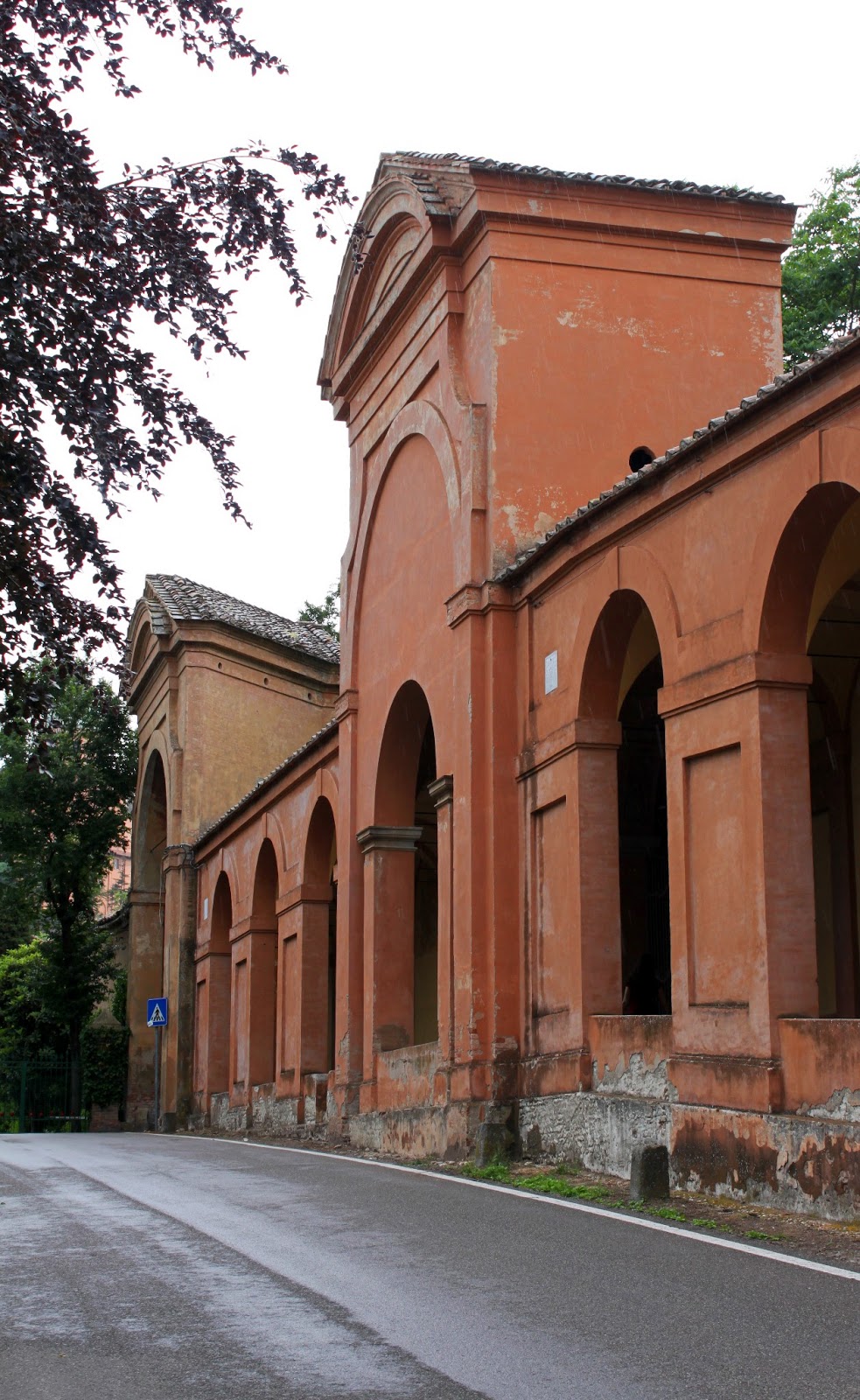
- Location
- Bologna, IT
- Category
- heritage historic sites
- Coordinates
- 44.4818171, 11.3019396
- Best time
- Morning or early afternoon
- Weather tip
- Check the local forecast before visiting.
Overview
The XIII Mistero Glorioso is a significant religious fresco located in Bologna, Italy, commissioned by the Panzacchi family. Completed in 1766, the artwork features the primary brushwork of Nicola Bertuzzi, renowned for his contributions to Bolognese decorative art, complemented by the intricate ornamental work of Francesco Orlandi. This site serves as a vital testament to the intersection of private patronage and religious devotion in 18th-century Italy. Visitors interested in exploring the artistic heritage of the city often include this fresco in their itinerary as they discover the hidden treasures tucked away in Bologna's historic urban fabric. While it is a specific, focused site of historical interest, it offers a profound look into the collaborative artistic techniques of the period. When planning your trip ideas in Bologna, incorporating this site allows for a deeper appreciation of the city's ecclesiastical art history. The fresco remains a preserved example of the aesthetic standards of the 1760s, reflecting the prestige of the families who sponsored such works to adorn the local landscape. For those looking for what to do in the area, visiting this site provides a quiet, contemplative experience that stands in contrast to the bustling main squares, offering a unique window into the city's sophisticated past.
General information
The XIII Mistero Glorioso is a significant religious fresco located in Bologna, Italy, commissioned by the Panzacchi family. Completed in 1766, the artwork features the primary brushwork of Nicola Bertuzzi, renowned for his contributions to Bolognese decorative art, complemented by the intricate ornamental work of Francesco Orlandi. This site serves as a vital testament to the intersection of private patronage and religious devotion in 18th-century Italy. Visitors interested in exploring the artistic heritage of the city often include this fresco in their itinerary as they discover the hidden treasures tucked away in Bologna's historic urban fabric. While it is a specific, focused site of historical interest, it offers a profound look into the collaborative artistic techniques of the period. When planning your trip ideas in Bologna, incorporating this site allows for a deeper appreciation of the city's ecclesiastical art history. The fresco remains a preserved example of the aesthetic standards of the 1760s, reflecting the prestige of the families who sponsored such works to adorn the local landscape. For those looking for what to do in the area, visiting this site provides a quiet, contemplative experience that stands in contrast to the bustling main squares, offering a unique window into the city's sophisticated past.
Did you know
- The fresco was commissioned specifically by the Panzacchi family in 1766.
- Nicola Bertuzzi, the primary artist, was a prominent figure in the Bolognese school of the 18th century.
- The decorative borders were executed by Francesco Orlandi, a specialist in the ornamental style of the era.
History
The XIII Mistero Glorioso dates back to 1766, a period during which private commissions for religious art were a common way for noble and wealthy Bolognese families to demonstrate piety and social status. The work was commissioned by the Panzacchi family, who engaged Nicola Bertuzzi to execute the main figurative elements of the fresco. Bertuzzi, a skilled painter, collaborated with Francesco Orlandi, who was responsible for the elaborate ornamental framing. This collaboration reflects the highly organized nature of workshop production in 18th-century Bologna, where artists often specialized in either figure painting or decorative ornamentation to achieve a cohesive and sophisticated final product.
Cultural significance
This fresco represents the cultural synergy between the religious devotion of the Italian Enlightenment and the artistic patronage of the local aristocracy. By commissioning works like the XIII Mistero Glorioso, families like the Panzacchi integrated their private identity into the public or semi-public religious life of the city. The fresco serves as a cultural artifact that highlights the importance of the 'Misteri'—the Mysteries of the Rosary—in the spiritual life of 18th-century Bologna. It stands as a reminder of how art was used not only for aesthetic enjoyment but as a medium for theological education and communal identity within the city's historic quarters.
Geography and landscape
The fresco is situated within the historic urban landscape of Bologna. Bologna is characterized by its medieval and Renaissance architecture, characterized by miles of porticos and narrow, winding streets. As a work of interior religious art, the fresco is positioned within the dense, layered environment of the city center. The surrounding area preserves the traditional layout of the historic district, where residential, commercial, and religious sites are closely packed. The setting provides a context of architectural continuity, where centuries-old frescoes are often found hidden within larger building complexes, contributing to the city's reputation as a living museum.
More facts
- Imported from OSM batch
Visitor links
Nearby attractions
- V Mistero Gaudioso Bologna - 730 m
- IV Mistero Gaudioso Bologna - 815 m
- III Mistero Gaudioso Bologna - 906 m
- II Mistero Gaudioso Bologna - 1034 m
- Punto osservazione Bregoli Bologna - 1074 m
- Monumento ai Partigiani Bologna - 2209 m