V Mistero Gaudioso
Bologna, IT
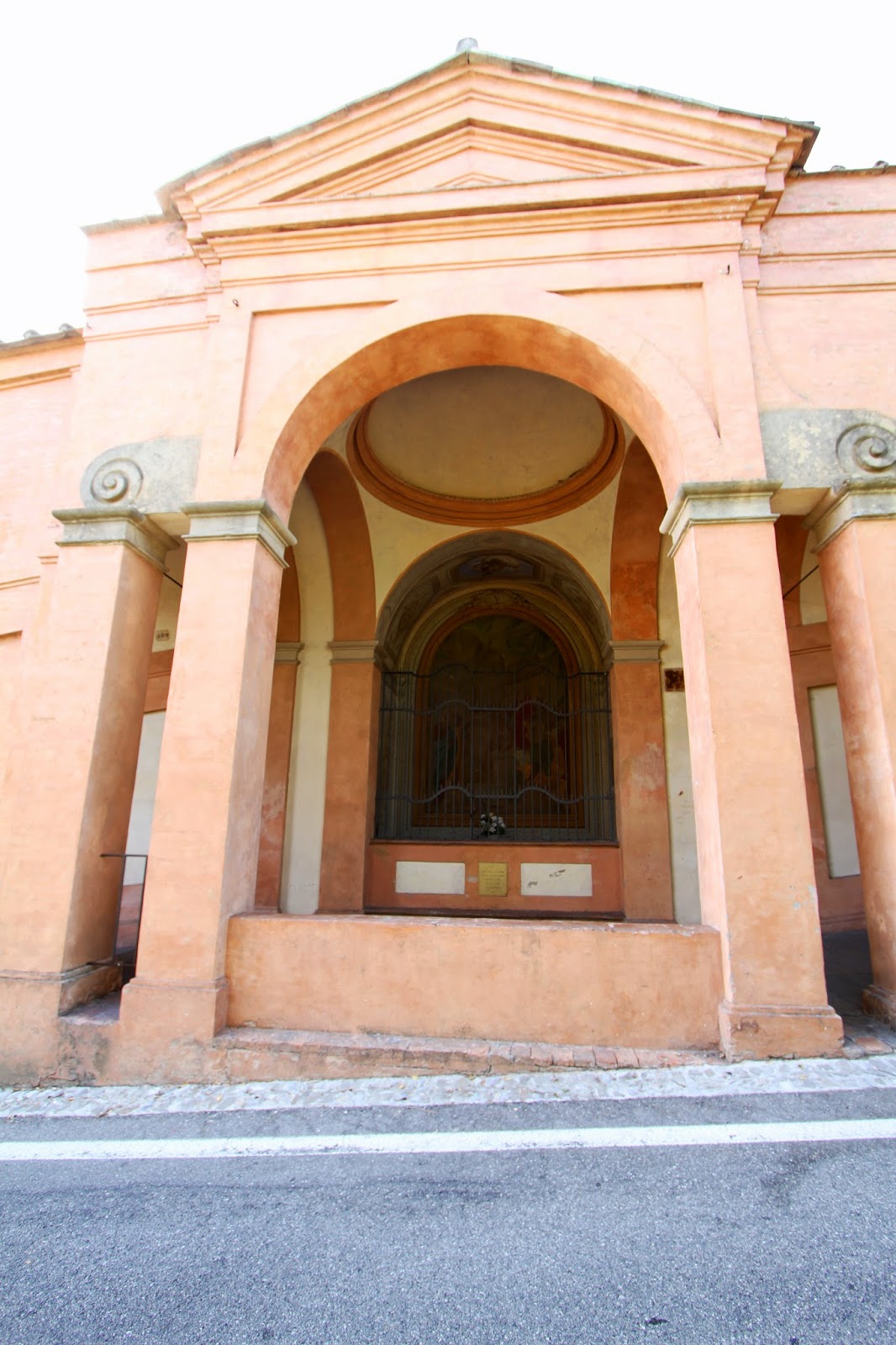
- Location
- Bologna, IT
- Category
- heritage historic sites
- Coordinates
- 44.4877237, 11.3059619
- Best time
- Morning or early afternoon
- Weather tip
- Check the local forecast before visiting.
Overview
The V Mistero Gaudioso is a significant historic chapel located in the city of Bologna, Italy. Commissioned by the noblewoman Cosetta Isabella Coccapani Cesi of Modena, this site stands as a refined example of 18th-century religious art and devotion. The chapel is primarily noted for its exquisite fresco, which was executed by the painter Michelangelo Borghi in 1765. For those planning their itinerary, visiting this chapel offers a unique glimpse into the private devotional spaces that define the city's rich ecclesiastical heritage. As you explore the various places to visit in Bologna, the V Mistero Gaudioso serves as an essential stop for art historians and travelers interested in the intersection of local patronage and Baroque-era aesthetics. Visitors can expect a tranquil environment conducive to quiet reflection and the close study of Borghi’s technical mastery. When considering what to do in the area, incorporating this chapel into a broader walking tour of Bologna’s historic center allows for a deeper appreciation of the city's preserved artistic legacy. The site is best visited during the morning or early afternoon when natural light optimally illuminates the details of the fresco. Please remember to check the local weather forecast before heading out to ensure a pleasant journey through the city’s winding streets.
General information
The V Mistero Gaudioso is a significant historic chapel located in the city of Bologna, Italy. Commissioned by the noblewoman Cosetta Isabella Coccapani Cesi of Modena, this site stands as a refined example of 18th-century religious art and devotion. The chapel is primarily noted for its exquisite fresco, which was executed by the painter Michelangelo Borghi in 1765. For those planning their itinerary, visiting this chapel offers a unique glimpse into the private devotional spaces that define the city's rich ecclesiastical heritage. As you explore the various places to visit in Bologna, the V Mistero Gaudioso serves as an essential stop for art historians and travelers interested in the intersection of local patronage and Baroque-era aesthetics. Visitors can expect a tranquil environment conducive to quiet reflection and the close study of Borghi’s technical mastery. When considering what to do in the area, incorporating this chapel into a broader walking tour of Bologna’s historic center allows for a deeper appreciation of the city's preserved artistic legacy. The site is best visited during the morning or early afternoon when natural light optimally illuminates the details of the fresco. Please remember to check the local weather forecast before heading out to ensure a pleasant journey through the city’s winding streets.
Did you know
- The chapel was commissioned by Cosetta Isabella Coccapani Cesi, a noblewoman from Modena.
- The primary artwork, an intricate fresco, was completed in 1765.
- The artist responsible for the chapel's decoration is Michelangelo Borghi.
History
The chapel dates back to 1765, a period during which Bologna was a major center for artistic production in the Papal States. It was commissioned by Cosetta Isabella Coccapani Cesi, a member of the Modenese nobility, illustrating the strong social and cultural ties between the aristocratic families of the Emilia-Romagna region during the 18th century. The choice of Michelangelo Borghi as the painter reflects the patronage trends of the time, where local artists were frequently commissioned to create intimate, high-quality devotional works for private or semi-private chapels. The structure remains a testament to the specific religious and artistic priorities of the mid-18th century.
Cultural significance
The V Mistero Gaudioso represents the tradition of private chapel patronage in Italy. Such spaces were vital to the spiritual life of the nobility, serving as sites for personal prayer and displays of family status through religious art. The fresco by Michelangelo Borghi is culturally significant as it preserves the iconographic standards of the period, specifically those related to the 'Joyful Mysteries' (Misteri Gaudiosi) of the Rosary. By maintaining these spaces, Bologna preserves the continuity of its historical identity as a city deeply rooted in both intellectual and religious traditions, offering a tangible connection to the private devotions of the 1700s.
Geography and landscape
The chapel is situated within the dense, historic urban fabric of Bologna. The city is characterized by its iconic medieval and Renaissance architecture, characterized by miles of porticoes and terracotta-colored buildings. As part of the historic center, the V Mistero Gaudioso is integrated into the surrounding urban landscape, which is defined by narrow, winding streets and ancient stone structures. The environment is typical of the Po Valley region, where the terrain is largely flat, allowing for the dense development that defines Bologna’s central districts. Visitors will find the chapel nestled among other historic landmarks, contributing to the city's reputation as a preserved architectural museum.
More facts
- Imported from OSM batch
Visitor links
Nearby attractions
- IV Mistero Gaudioso Bologna - 109 m
- III Mistero Gaudioso Bologna - 219 m
- II Mistero Gaudioso Bologna - 330 m
- XIII Mistero Glorioso Bologna - 730 m
- Punto osservazione Bregoli Bologna - 1767 m
- Opificio delle Acque Bologna - 2077 m