Weeks Bay Pitcher Plant Bog
US
- Location
- US
- Category
- national parks nature reserves
- Coordinates
- 30.416196, -87.81969
- Best time
- Morning or early afternoon
- Weather tip
- Check the local forecast before visiting.
- Opening hours
- sunrise-sunset
Overview
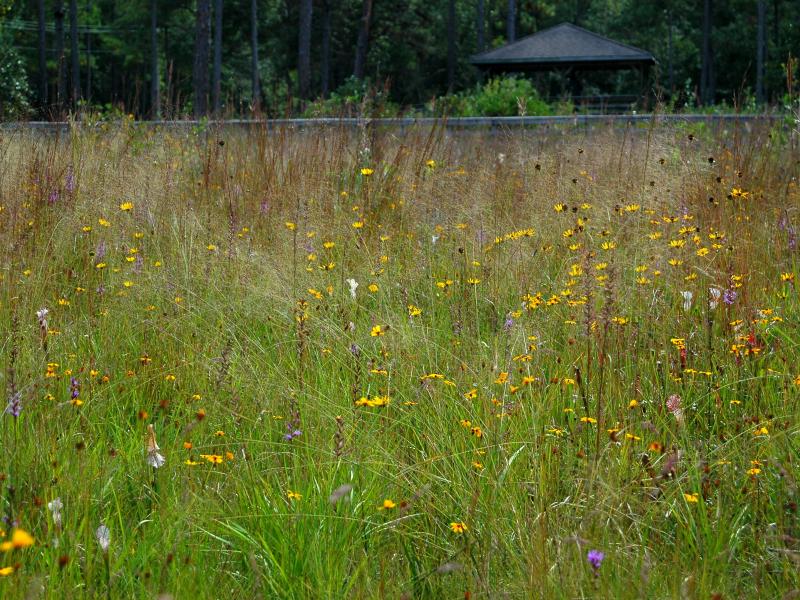
The Weeks Bay Pitcher Plant Bog is a protected wetland habitat located within the Weeks Bay National Estuarine Research Reserve in Alabama. This unique ecosystem is primarily recognized for its thriving population of Sarracenia leucophylla, or the White-topped Pitcher Plant, a carnivorous species that relies on specialized leaves to trap insects for nutrients. Visitors to this site can traverse an elevated, accessible wooden boardwalk that extends directly through the delicate bog environment, allowing for up-close observation of the diverse flora without disturbing the sensitive soil or water table. The site serves as a prime example of the rare longleaf pine savanna-wetland complex that once dominated much of the Gulf Coast landscape. For those seeking unique trip ideas, the bog offers a tranquil setting for botanical enthusiasts and photographers interested in rare plant life. The boardwalk ensures that the area remains accessible to all visitors while providing a stable platform to witness the seasonal blooming cycles of these fascinating carnivorous plants. It is recommended to visit during the morning or early afternoon to enjoy the best natural lighting for viewing the bog’s intricate features. As part of a broader network of protected lands, this bog is an essential component of regional conservation efforts. Whether you are a scientist, a student, or simply someone looking for quiet nature spots to explore, this site provides an educational look at one of the most specialized habitats in the southern United States.
General information
The Weeks Bay Pitcher Plant Bog is a protected wetland habitat located within the Weeks Bay National Estuarine Research Reserve in Alabama. This unique ecosystem is primarily recognized for its thriving population of Sarracenia leucophylla, or the White-topped Pitcher Plant, a carnivorous species that relies on specialized leaves to trap insects for nutrients. Visitors to this site can traverse an elevated, accessible wooden boardwalk that extends directly through the delicate bog environment, allowing for up-close observation of the diverse flora without disturbing the sensitive soil or water table. The site serves as a prime example of the rare longleaf pine savanna-wetland complex that once dominated much of the Gulf Coast landscape. For those seeking unique trip ideas, the bog offers a tranquil setting for botanical enthusiasts and photographers interested in rare plant life. The boardwalk ensures that the area remains accessible to all visitors while providing a stable platform to witness the seasonal blooming cycles of these fascinating carnivorous plants. It is recommended to visit during the morning or early afternoon to enjoy the best natural lighting for viewing the bog’s intricate features. As part of a broader network of protected lands, this bog is an essential component of regional conservation efforts. Whether you are a scientist, a student, or simply someone looking for quiet nature spots to explore, this site provides an educational look at one of the most specialized habitats in the southern United States.
Did you know
- The White-topped Pitcher Plant is carnivorous, using its hollow, tube-like leaves to trap and digest insects to survive in nutrient-poor soil.
- The boardwalk at the bog is specifically designed to protect the fragile root systems of rare plants from being crushed by foot traffic.
- Weeks Bay is part of a national system of reserves designed to protect estuaries and their surrounding coastal habitats.
History
The Weeks Bay National Estuarine Research Reserve was established to protect the ecological integrity of the Weeks Bay watershed. The pitcher plant bog itself represents a remnant of the expansive, fire-maintained longleaf pine savannas that historically characterized the coastal plains of the southeastern United States. Over the 20th century, much of this habitat was lost to land development and the suppression of natural wildfire cycles, which are essential for the maintenance of bog-dwelling species. The preservation of this specific site allows researchers and the public to study the historical biodiversity of the region and monitor the health of these specialized wetland communities.
Cultural significance
The bog serves as a vital outdoor laboratory and educational resource for the state of Alabama. It highlights the cultural and scientific importance of coastal conservation, emphasizing the relationship between unique plant species and the fragile wetlands they inhabit. By maintaining the boardwalk, the reserve fosters a connection between the public and rare botanical specimens, encouraging community stewardship of local natural resources. It stands as a testament to the ongoing efforts to protect the Gulf Coast’s natural heritage and provides a living classroom for understanding ecological succession and the necessity of habitat preservation.
Geography and landscape
The bog is situated within the low-lying, humid coastal plain of Alabama. The landscape is defined by acidic, nutrient-poor, and moisture-saturated soils that support specialized vegetation capable of thriving in such conditions. The surrounding terrain transitions from the wetland bog into areas that historically supported longleaf pine forests. The hydrology of the area is characterized by a high water table and seasonal fluctuations, which dictate the distribution of plant species. The boardwalk provides a clear vantage point over this transition zone, showcasing the contrast between the open, sun-drenched bog and the surrounding forested buffer.
More facts
- Imported from OSM batch