Weeks Bay National Estuarine Research Reserve
US
- Location
- US
- Category
- national parks nature reserves
- Coordinates
- 30.415808, -87.826233
- Best time
- Morning or early afternoon
- Weather tip
- Check the local forecast before visiting.
- Opening hours
- Mo-Sa 09:00-17:00; PH off
Overview
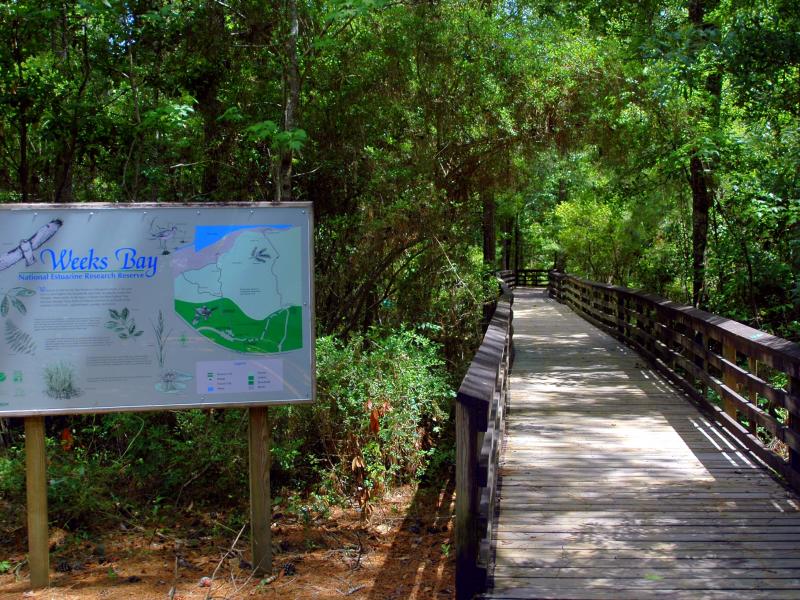
Weeks Bay National Estuarine Research Reserve is a protected coastal area located in Baldwin County, Alabama, serving as a critical buffer between the land and the Gulf of Mexico. Spanning over 6,000 acres, this reserve is dedicated to the research, education, and stewardship of estuarine environments. Visitors to the reserve can expect a tranquil experience centered on the intersection of freshwater and saltwater ecosystems. The site features a well-appointed visitor center where guests can learn about local ecology before heading out to explore the landscape. The reserve offers several self-guided trails that wind through diverse habitats, including pitcher plant bogs, maritime forests, and salt marshes. These paths provide excellent opportunities for birdwatching, photography, and quiet reflection in nature. Whether you are looking for peaceful places to visit to escape the bustle of urban life or searching for educational trip ideas that highlight the importance of coastal conservation, Weeks Bay provides a unique perspective on the Alabama coastline. The reserve is particularly noted for its biodiversity, making it a significant site for both casual nature enthusiasts and scientific researchers. Visitors are encouraged to explore the boardwalks and interpretive displays that explain the complex life cycles within the bay. It is recommended to visit during the morning or early afternoon for the best light and wildlife viewing opportunities, though guests should always check the local weather forecast before planning their excursion to ensure a safe and pleasant visit.
General information
Weeks Bay National Estuarine Research Reserve is a protected coastal area located in Baldwin County, Alabama, serving as a critical buffer between the land and the Gulf of Mexico. Spanning over 6,000 acres, this reserve is dedicated to the research, education, and stewardship of estuarine environments. Visitors to the reserve can expect a tranquil experience centered on the intersection of freshwater and saltwater ecosystems. The site features a well-appointed visitor center where guests can learn about local ecology before heading out to explore the landscape. The reserve offers several self-guided trails that wind through diverse habitats, including pitcher plant bogs, maritime forests, and salt marshes. These paths provide excellent opportunities for birdwatching, photography, and quiet reflection in nature. Whether you are looking for peaceful places to visit to escape the bustle of urban life or searching for educational trip ideas that highlight the importance of coastal conservation, Weeks Bay provides a unique perspective on the Alabama coastline. The reserve is particularly noted for its biodiversity, making it a significant site for both casual nature enthusiasts and scientific researchers. Visitors are encouraged to explore the boardwalks and interpretive displays that explain the complex life cycles within the bay. It is recommended to visit during the morning or early afternoon for the best light and wildlife viewing opportunities, though guests should always check the local weather forecast before planning their excursion to ensure a safe and pleasant visit.
Did you know
- The reserve protects over 6,000 acres of estuarine habitat.
- It serves as a critical nursery area for many species of fish and shellfish.
- The site includes rare pitcher plant bogs, which are unique carnivorous plant habitats.
History
Weeks Bay National Estuarine Research Reserve was designated as a National Estuarine Research Reserve in 1986. It was established as part of a federal-state partnership program created by the Coastal Zone Management Act of 1972. The primary objective of its founding was to provide a protected area for long-term scientific research, monitoring, and educational outreach regarding the health and management of estuarine systems. Over the decades, the reserve has expanded its scope through the acquisition of additional lands, ensuring the preservation of the delicate transition zone between the Fish and Magnolia Rivers and the larger Mobile Bay estuary.
Cultural significance
The reserve plays a vital role in the regional culture of coastal Alabama by fostering a deeper understanding of the environment that sustains the local economy, particularly fishing and tourism. It serves as a living classroom for students, researchers, and the general public, promoting environmental literacy. By preserving the natural heritage of the bay, the reserve helps maintain the aesthetic and ecological character of the region. It stands as a testament to the community's commitment to protecting the natural resources that define the Alabama Gulf Coast, ensuring that these landscapes remain accessible for future generations to study and enjoy.
Geography and landscape
The geography of Weeks Bay is defined by its position at the confluence of the Fish and Magnolia Rivers, which feed into the larger Mobile Bay. The landscape is a mosaic of diverse ecosystems, including freshwater wetlands, salt marshes, and maritime forests characterized by live oaks and pines. A notable feature of the terrain is the presence of pitcher plant bogs, which thrive in the acidic, nutrient-poor soils of the area. The reserve's flat topography and intricate network of waterways create a serene, low-lying environment that is highly susceptible to tidal influence, making it an ideal location for studying estuarine dynamics.
More facts
- Imported from OSM batch