St. Thomas Church
DE
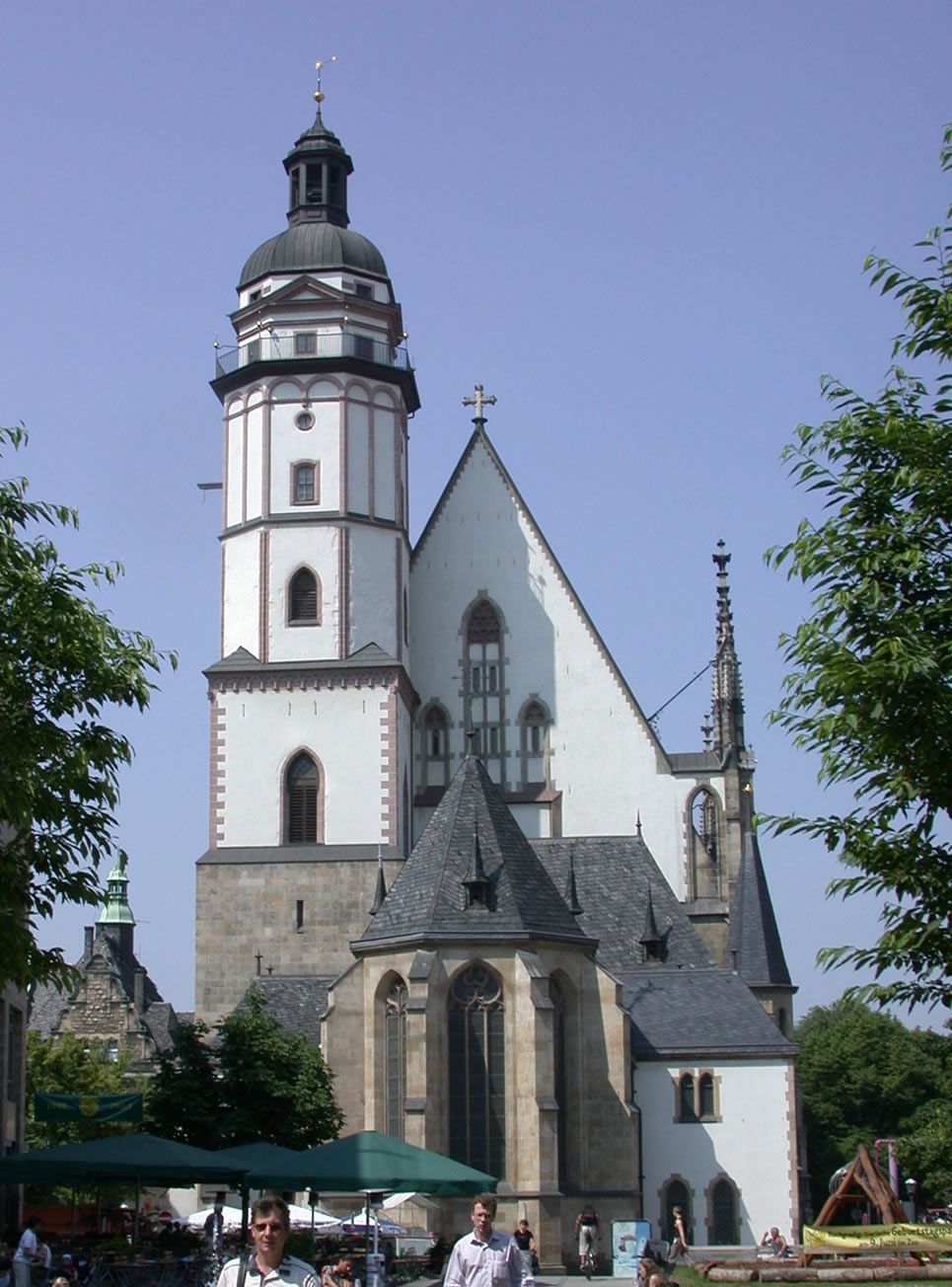
- Location
- DE
- Category
- iconic bucket list
- Coordinates
- 51.339335, 12.372556
- Best time
- Morning or early afternoon
- Weather tip
- Check the local forecast before visiting.
Overview
St. Thomas Church, known historically as Thomaskirche, stands as a monumental landmark of religious and musical history in Germany. This site is widely recognized as a premier destination for those interested in the intersection of architecture and cultural heritage. Visitors to this church can expect to encounter a structure that has served as a center of community life and spiritual practice for centuries. The interior features significant historical artifacts and architectural details that reflect the evolving artistic styles of the region. As one of the most prominent places to visit for admirers of Johann Sebastian Bach, the church offers a profound connection to the composer, who served as the Cantor here from 1723 until his death in 1750. Beyond its musical legacy, the church provides a serene atmosphere for reflection and observation of Gothic and Neo-Gothic design elements. For those seeking inspiration for trip ideas, the church serves as a foundational stop, anchoring the historical narrative of the surrounding city. Whether you are exploring the intricate stone carvings or simply experiencing the acoustic environment that once resonated with the works of the world’s greatest composers, St. Thomas Church remains an essential stop for any traveler. The site is best enjoyed during the morning or early afternoon when natural light highlights the architectural precision of the nave.
General information
St. Thomas Church, known historically as Thomaskirche, stands as a monumental landmark of religious and musical history in Germany. This site is widely recognized as a premier destination for those interested in the intersection of architecture and cultural heritage. Visitors to this church can expect to encounter a structure that has served as a center of community life and spiritual practice for centuries. The interior features significant historical artifacts and architectural details that reflect the evolving artistic styles of the region. As one of the most prominent places to visit for admirers of Johann Sebastian Bach, the church offers a profound connection to the composer, who served as the Cantor here from 1723 until his death in 1750. Beyond its musical legacy, the church provides a serene atmosphere for reflection and observation of Gothic and Neo-Gothic design elements. For those seeking inspiration for trip ideas, the church serves as a foundational stop, anchoring the historical narrative of the surrounding city. Whether you are exploring the intricate stone carvings or simply experiencing the acoustic environment that once resonated with the works of the world’s greatest composers, St. Thomas Church remains an essential stop for any traveler. The site is best enjoyed during the morning or early afternoon when natural light highlights the architectural precision of the nave.
Did you know
- Johann Sebastian Bach served as the cantor of St. Thomas Church for 27 years.
- The church is the home of the world-renowned St. Thomas Boys Choir, founded in the 13th century.
- Bach's remains were reinterred within the church in 1950.
History
The history of St. Thomas Church dates back to the late 12th century, originally established as an Augustinian monastery church. Throughout the centuries, the structure underwent numerous renovations and expansions. A pivotal moment in its history occurred in 1539 when Martin Luther preached at the church, solidifying its role in the Protestant Reformation. The building was significantly altered in the 19th century to reflect Neo-Gothic aesthetics, which defined much of its current exterior appearance. Despite the damages sustained during various conflicts, the church has been meticulously preserved, serving as a testament to the ecclesiastical and cultural endurance of the region.
Cultural significance
St. Thomas Church is arguably most significant for its role in Western classical music. As the workplace of Johann Sebastian Bach, it became the epicenter for the development of the cantata and other liturgical forms. The presence of the St. Thomas Boys Choir, or Thomanerchor, continues this legacy today, maintaining a continuous tradition of choral excellence that spans over 800 years. Culturally, the church acts as a bridge between the religious history of the Reformation and the intellectual and musical enlightenment of the 18th century, drawing pilgrims and music enthusiasts from across the globe to pay their respects to the legacy of Bach.
Geography and landscape
St. Thomas Church is centrally located within the historic urban fabric of its city. Its position often serves as a focal point for the surrounding district, characterized by traditional European town squares and cobblestone streets. The immediate landscape is urban, with the church tower providing a distinct vertical element that punctuates the cityscape. The proximity to other historical buildings and public spaces makes it highly accessible for pedestrians. The surrounding area maintains a dense, walkable layout, typical of medieval-origin German cities, allowing the church to remain a prominent visual and social anchor within the modern metropolitan environment.
More facts
- Imported from OSM batch
Visitor links
Nearby attractions
- St. Thomas Church
- Robert Blum 225 m
- Goethedenkmal 248 m
- Old Stock Exchange 265 m
- Fürstenerker 370 m
- Richard-Wagner-Denkmal 384 m
- Hahnemann-Denkmal 466 m
- Albrecht-Thaer-Denkmal 468 m