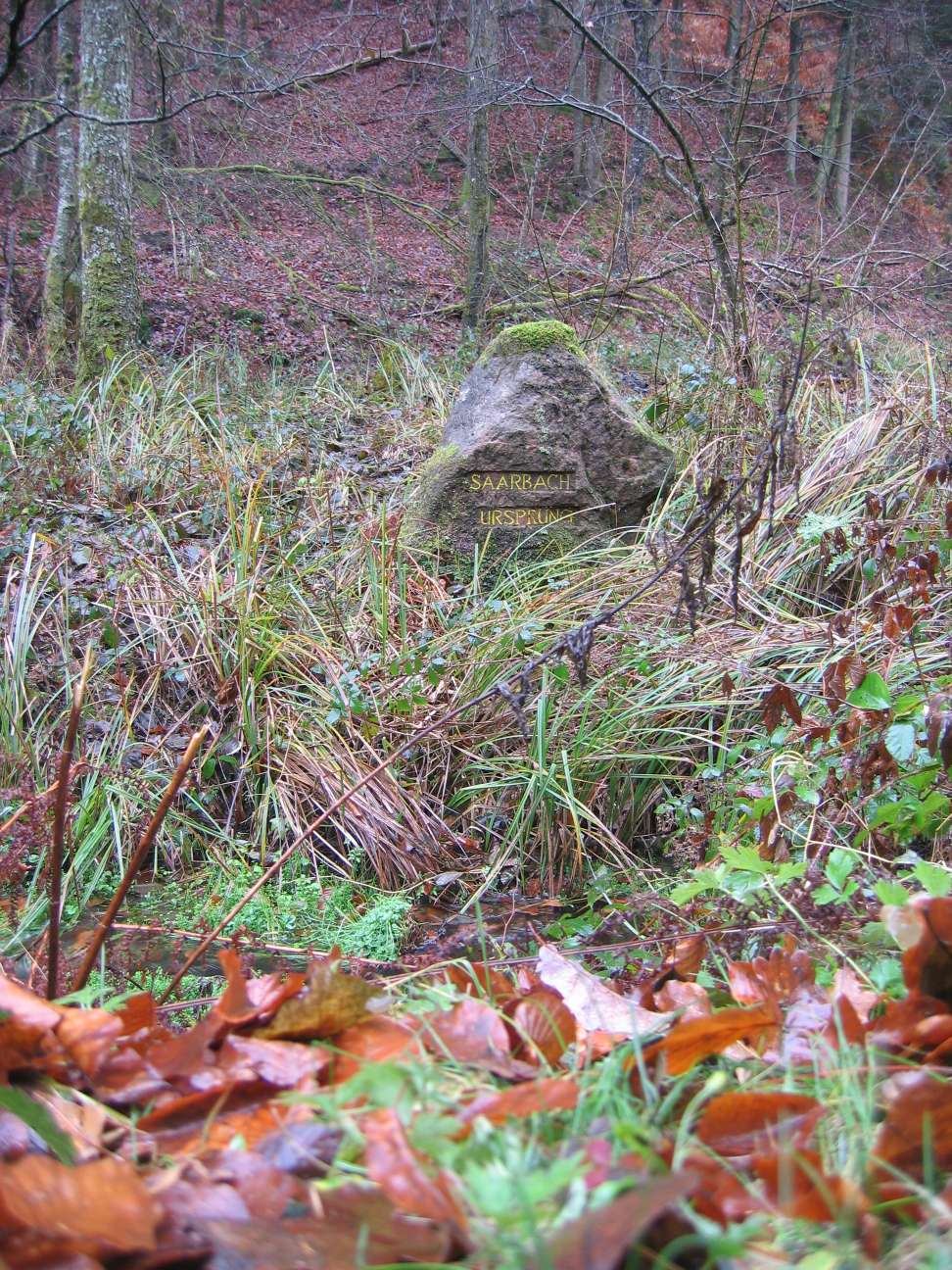
Ritterstein 198 "Saarbach Ursprung"
DE
- Location
- DE
- Category
- iconic bucket list
- Coordinates
- 49.0989731, 7.6279368
- Best time
- Morning or early afternoon
- Weather tip
- Check the local forecast before visiting.
Overview
Ritterstein 198, known as the 'Saarbach Ursprung,' is a significant historical marker located in the scenic Palatinate Forest of Germany. Situated west of the road leading to Eppenbrunn, tucked between the Großer Biesenberg and Hesselspfuhl elevations, this site marks the precise source of the Saarbach stream. For hikers and history enthusiasts, discovering these stone markers is one of the most rewarding places to visit in the region. The Rittersteine are a series of over 300 sandstone monuments erected by the Pfälzerwald-Verein to commemorate historically or geographically significant spots throughout the forest. Visitors to the Saarbach Ursprung can expect a tranquil, forested environment that offers a glimpse into both the geological origins of the local waterways and the cultural history of forest preservation. As you explore the trails between Eppenbrunn and the surrounding hills, these markers serve as vital navigation points and educational highlights. Whether you are planning a vigorous hike or a leisurely nature walk, identifying the source of the Saarbach is a quintessential experience for those seeking unique trip ideas in the Palatinate Forest. The area is best visited during the morning or early afternoon to take full advantage of the natural light filtering through the dense canopy, providing a peaceful backdrop for your exploration of this protected natural landmark.
General information
Ritterstein 198, known as the 'Saarbach Ursprung,' is a significant historical marker located in the scenic Palatinate Forest of Germany. Situated west of the road leading to Eppenbrunn, tucked between the Großer Biesenberg and Hesselspfuhl elevations, this site marks the precise source of the Saarbach stream. For hikers and history enthusiasts, discovering these stone markers is one of the most rewarding places to visit in the region. The Rittersteine are a series of over 300 sandstone monuments erected by the Pfälzerwald-Verein to commemorate historically or geographically significant spots throughout the forest. Visitors to the Saarbach Ursprung can expect a tranquil, forested environment that offers a glimpse into both the geological origins of the local waterways and the cultural history of forest preservation. As you explore the trails between Eppenbrunn and the surrounding hills, these markers serve as vital navigation points and educational highlights. Whether you are planning a vigorous hike or a leisurely nature walk, identifying the source of the Saarbach is a quintessential experience for those seeking unique trip ideas in the Palatinate Forest. The area is best visited during the morning or early afternoon to take full advantage of the natural light filtering through the dense canopy, providing a peaceful backdrop for your exploration of this protected natural landmark.
Did you know
- The Rittersteine were commissioned by the Pfälzerwald-Verein starting in the early 20th century to label points of interest.
- There are over 300 individual Rittersteine scattered throughout the Palatinate Forest region.
- Ritterstein 198 specifically identifies the geographical source (Ursprung) of the Saarbach stream.
History
The Ritterstein markers were established by the Pfälzerwald-Verein, an organization founded in 1902 dedicated to the exploration and preservation of the Palatinate Forest. The goal of the project was to create a network of permanent, weather-resistant sandstone markers that would highlight geographical features, historical ruins, and notable viewpoints for hikers. Ritterstein 198 was placed at the Saarbach Ursprung to ensure that the origin of this specific watercourse remained documented for future generations of forest visitors, transforming a simple natural spring into a recognized cultural landmark.
Cultural significance
The Rittersteine are considered cultural monuments that reflect the early 20th-century movement toward organized hiking and nature appreciation in Germany. They represent a bridge between the physical landscape and the regional identity of the Palatinate. By marking the Saarbach Ursprung, the stone serves as a testament to the importance of local hydrology and the efforts of the Pfälzerwald-Verein to educate the public about the natural heritage of the forest. It remains a point of pride for local hikers and a symbol of the enduring tradition of trail maintenance in the region.
Geography and landscape
The site is located deep within the Palatinate Forest, characterized by its dense deciduous and coniferous woodland and characteristic red sandstone rock formations. Ritterstein 198 sits in a depression between the Großer Biesenberg and Hesselspfuhl hills. The terrain is typical of the region, featuring rolling hills, narrow forest paths, and a cool, moist microclimate near the stream source. The area is secluded and quiet, offering a classic example of the rugged, untouched beauty of the southwestern German highlands.
More facts
- Imported from OSM batch
Visitor links
Nearby attractions
- Ritterstein 181 "Wasserscheide Rhein-Mosel" 2113 m
- Ritterstein 197 "Reissler-Forsthaus" 2606 m
- Ritterstein 201 "Ruine Faunerhof" 3105 m
- Ritterstein 192 "Ruine Roesselsbrunner Hof" 3718 m
- Ritterstein 210 "Ruine Storrwoogerhof" 7254 m
- Ritterstein 208 "Insel Suhl" 7414 m
- Ritterstein 306 "Ruine Langkehler Sägemühle 1769–1894" 8059 m