Museum of the American Revolution
Philadelphia, US

- Location
- Philadelphia, US
- Category
- museums galleries
- Coordinates
- 39.9484, -75.1458
- Best time
- Morning or early afternoon
- Weather tip
- Check the local forecast before visiting.
- Opening hours
- 10:00-17:00
Overview
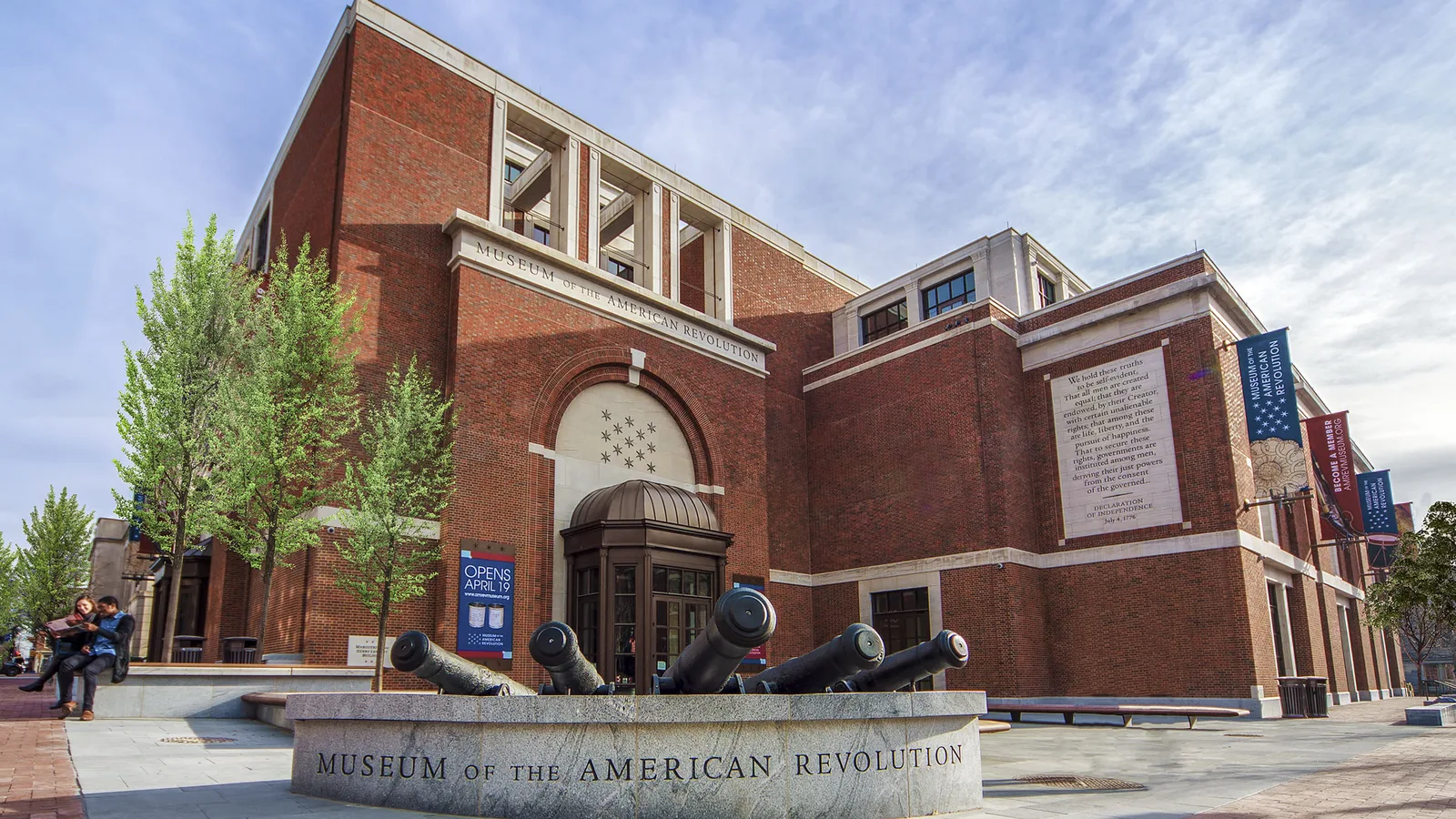
Located in the heart of historic Philadelphia, the Museum of the American Revolution offers a comprehensive exploration of the political and social transformation that birthed the United States. Since its opening in 2017, the museum has served as a premier destination for those seeking to understand the complexities of the Revolutionary era. Visitors can expect an immersive experience featuring a vast collection of artifacts, including General George Washington’s original marquee tent, which served as his mobile headquarters throughout the war. The exhibits are meticulously curated to present the perspectives of diverse participants, including soldiers, women, enslaved people, and Indigenous nations, providing a holistic view of the conflict. Beyond the main galleries, the museum offers rotating exhibitions and educational programming that make it one of the most significant places to visit for history enthusiasts. Whether you are a student of history or simply looking for educational trip ideas in the city, the museum provides a deep dive into the ideals of liberty and equality that shaped the nation. The facility is designed for an engaging, multi-sensory journey, allowing guests to walk through a narrative that begins before the war and continues through the enduring legacy of the American Revolution today. The museum is conveniently situated near other iconic landmarks, making it an essential stop for anyone exploring the foundations of American democracy in Pennsylvania.
General information
Located in the heart of historic Philadelphia, the Museum of the American Revolution offers a comprehensive exploration of the political and social transformation that birthed the United States. Since its opening in 2017, the museum has served as a premier destination for those seeking to understand the complexities of the Revolutionary era. Visitors can expect an immersive experience featuring a vast collection of artifacts, including General George Washington’s original marquee tent, which served as his mobile headquarters throughout the war. The exhibits are meticulously curated to present the perspectives of diverse participants, including soldiers, women, enslaved people, and Indigenous nations, providing a holistic view of the conflict. Beyond the main galleries, the museum offers rotating exhibitions and educational programming that make it one of the most significant places to visit for history enthusiasts. Whether you are a student of history or simply looking for educational trip ideas in the city, the museum provides a deep dive into the ideals of liberty and equality that shaped the nation. The facility is designed for an engaging, multi-sensory journey, allowing guests to walk through a narrative that begins before the war and continues through the enduring legacy of the American Revolution today. The museum is conveniently situated near other iconic landmarks, making it an essential stop for anyone exploring the foundations of American democracy in Pennsylvania.
Did you know
- The museum’s centerpiece is General George Washington’s original field tent, used as his command center during the Revolutionary War.
- The building is located just two blocks from Independence Hall, where the Declaration of Independence was debated and signed.
- The museum houses over 3,000 artifacts, ranging from weapons and documents to personal letters and textiles.
History
The Museum of the American Revolution opened to the public on April 19, 2017, the 242nd anniversary of the Battles of Lexington and Concord. The project was the culmination of decades of efforts to create a permanent institution dedicated to the history of the American Revolution. The collection itself traces its origins back to 1909, when the Valley Forge Historical Society was formed to preserve artifacts related to Washington’s encampment. Over the following century, the collection grew significantly, eventually requiring a dedicated space to house these national treasures. The museum was constructed in Philadelphia’s historic district to provide a central repository for the narrative of the war, ensuring that the complex history of the American founding is preserved for future generations.
Cultural significance
The museum plays a vital role in the American cultural landscape by contextualizing the foundational values of the United States. By highlighting the contributions of various demographic groups—including those whose stories were historically marginalized—the museum fosters a nuanced understanding of how diverse populations shaped the revolutionary struggle. It serves as a space for civic reflection, encouraging visitors to consider the ongoing relevance of the Revolution’s core themes: liberty, equality, and self-governance. Through its educational initiatives and scholarly research, the institution acts as a bridge between the 18th-century ideological shifts and contemporary American identity, reinforcing the importance of historical literacy in maintaining a democratic society.
Geography and landscape
The Museum of the American Revolution is situated in the Old City neighborhood of Philadelphia. This area is characterized by its dense concentration of 18th-century architecture and cobblestone streets, reflecting the city’s colonial heritage. The museum building itself is a modern structure that integrates seamlessly into the urban fabric of the historic district. Its proximity to other major sites, such as the Liberty Bell and Independence Hall, creates a cohesive historical corridor that allows pedestrians to easily navigate between landmarks. The surrounding landscape is largely paved and urban, typical of a historic city center, with nearby parks and public squares providing small green spaces amidst the dense metropolitan environment.
More facts
- Imported from OSM batch
- Imported from Wikidata
Visitor links
Nearby attractions
- Carpenters' Hall Philadelphia - 125 m
- Franklin Court Philadelphia - 155 m
- Independence National Historical Park Philadelphia - 208 m
- Museum of Illusions Philadelphia Philadelphia - 322 m
- Independence Hall Philadelphia - 363 m
- Liberty Bell Philadelphia - 403 m
- Philadelphia Korean War Memorial Philadelphia - 442 m
- Independence Seaport Museum Philadelphia - 532 m