Independence National Historical Park
Philadelphia, US

- Location
- Philadelphia, US
- Category
- museums galleries
- Coordinates
- 39.9478, -75.1481
- Best time
- Morning or early afternoon
- Weather tip
- Check the local forecast before visiting.
Overview
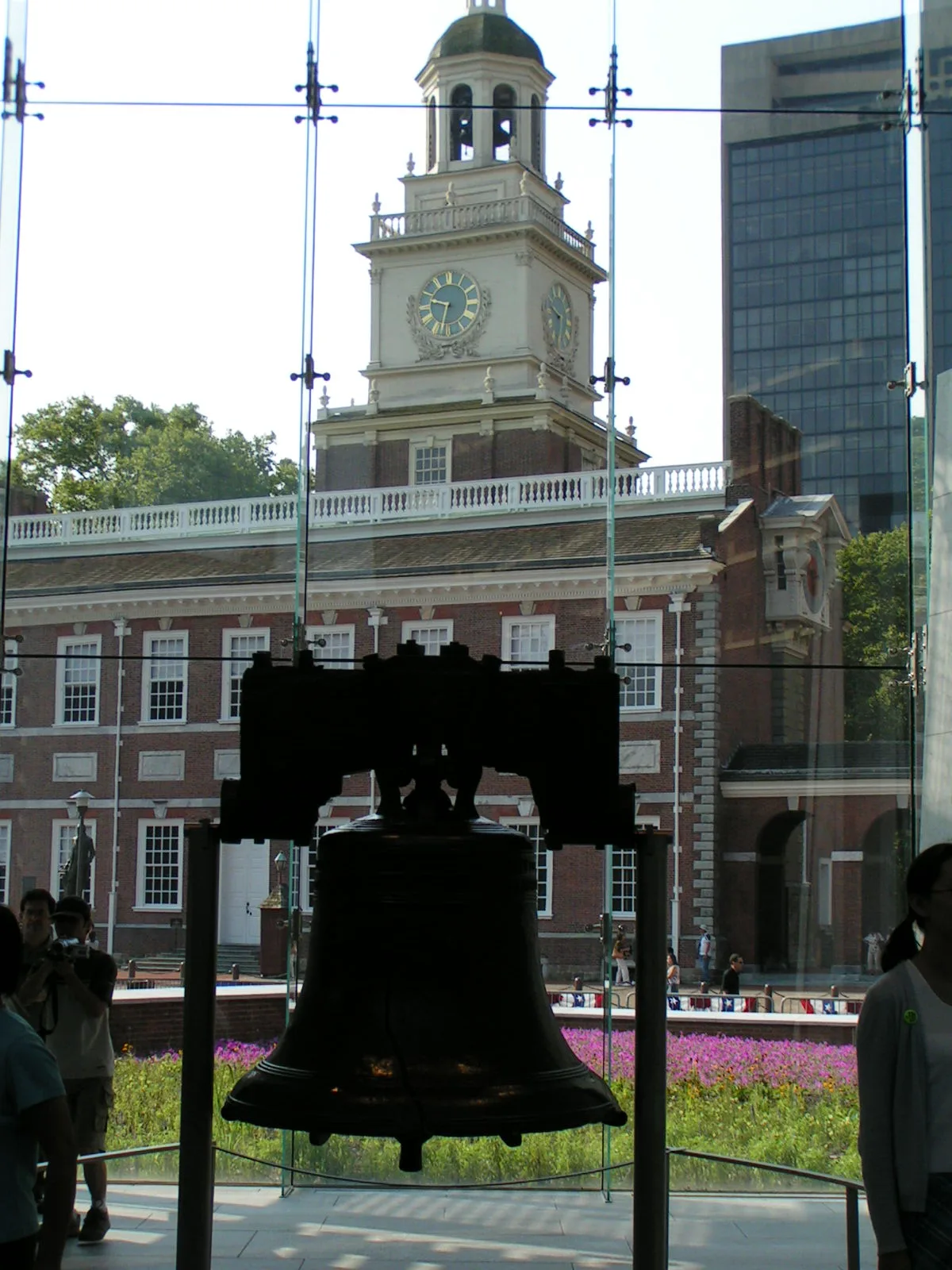
Independence National Historical Park in Philadelphia, Pennsylvania, stands as a monumental testament to the foundational events of the United States. Often referred to as the birthplace of American democracy, this national historic site preserves and interprets the structures where the Declaration of Independence and the U.S. Constitution were debated and adopted. Visitors come to explore Independence Hall, a UNESCO World Heritage Site, where these pivotal documents were signed, and to witness the iconic Liberty Bell, a symbol of freedom. The park encompasses numerous historic buildings and exhibits, offering an immersive journey into the late 18th century. Those seeking places to visit in Philadelphia to understand the nation's origins will find this park indispensable. It provides a comprehensive look at the struggles and triumphs of the early American republic, making it one of the most significant historical attractions in the United States. Exploring what to do in the area invariably includes a visit to this hallowed ground.
General information
Independence National Historical Park in Philadelphia, Pennsylvania, stands as a monumental testament to the foundational events of the United States. Often referred to as the birthplace of American democracy, this national historic site preserves and interprets the structures where the Declaration of Independence and the U.S. Constitution were debated and adopted. Visitors come to explore Independence Hall, a UNESCO World Heritage Site, where these pivotal documents were signed, and to witness the iconic Liberty Bell, a symbol of freedom. The park encompasses numerous historic buildings and exhibits, offering an immersive journey into the late 18th century. Those seeking places to visit in Philadelphia to understand the nation's origins will find this park indispensable. It provides a comprehensive look at the struggles and triumphs of the early American republic, making it one of the most significant historical attractions in the United States. Exploring what to do in the area invariably includes a visit to this hallowed ground.
Did you know
- Independence Hall, the centerpiece of the park, was originally known as the Pennsylvania State House.
- The Liberty Bell did not acquire its famous crack until the early 19th century, long after its initial casting.
- The park includes Congress Hall, which served as the meeting place for the U.S. Congress from 1790 to 1800.
- The Declaration of Independence was first publicly read in the area now known as Independence Square.
History
The history of Independence National Historical Park is inextricably linked to the birth of the United States. The Pennsylvania State House, now Independence Hall, was constructed between 1732 and 1756. It served as the meeting place for the Second Continental Congress, where the Declaration of Independence was adopted on July 4, 1776. Eleven years later, from May to September 1787, the Constitutional Convention convened in the same assembly room to draft the U.S. Constitution. Following the ratification of the Constitution, Philadelphia served as the temporary capital of the United States from 1790 to 1800, with Congress and the Supreme Court meeting within the park's present-day boundaries. The park was formally established in 1948 by an Act of Congress to preserve these vital historical sites.
Cultural significance
Independence National Historical Park holds profound cultural significance as the physical embodiment of America's founding ideals. It is the crucible where the concepts of self-governance, individual liberty, and democratic republicanism were forged into foundational documents that continue to shape the nation and inspire movements for freedom globally. The Liberty Bell, though originally ordered for the State House, has transcended its initial purpose to become an international emblem of liberty. The park serves as a pilgrimage site for citizens and visitors alike, offering a tangible connection to the revolutionary generation and the enduring principles articulated during the American Revolution. Its preservation underscores the ongoing commitment to understanding and upholding these democratic values.
Geography and landscape
Independence National Historical Park is situated in the heart of Old City Philadelphia, occupying approximately 55 acres across several city blocks. The park's landscape is characterized by a blend of historic structures, open green spaces, and meticulously maintained urban parkland. Independence Hall and the Liberty Bell Center are prominent features, surrounded by Independence Square, a significant open area where public gatherings occurred during the colonial era. The park integrates seamlessly into the urban fabric of Philadelphia, with surrounding streets and buildings reflecting centuries of development. Its layout encourages pedestrian exploration, connecting various historical buildings such as Congress Hall, Old City Hall, and Carpenters' Hall, all within a compact, walkable district that retains much of its 18th-century street plan.
More facts
- Imported from OSM batch
- Imported from Wikidata
Visitor links
Nearby attractions
- Carpenters' Hall Philadelphia - 84 m
- Independence Hall Philadelphia - 202 m
- Museum of the American Revolution Philadelphia - 208 m
- Franklin Court Philadelphia - 244 m
- Liberty Bell Philadelphia - 266 m
- Museum of Illusions Philadelphia Philadelphia - 322 m
- Athenaeum of Philadelphia Philadelphia - 330 m
- Jewelers' Row Philadelphia - 392 m