Hillsboro Inlet Lighthouse
US
- Location
- US
- Category
- heritage historic sites
- Coordinates
- 26.25924, -80.0807929
- Best time
- Morning or early afternoon
- Weather tip
- Check the local forecast before visiting.
Overview
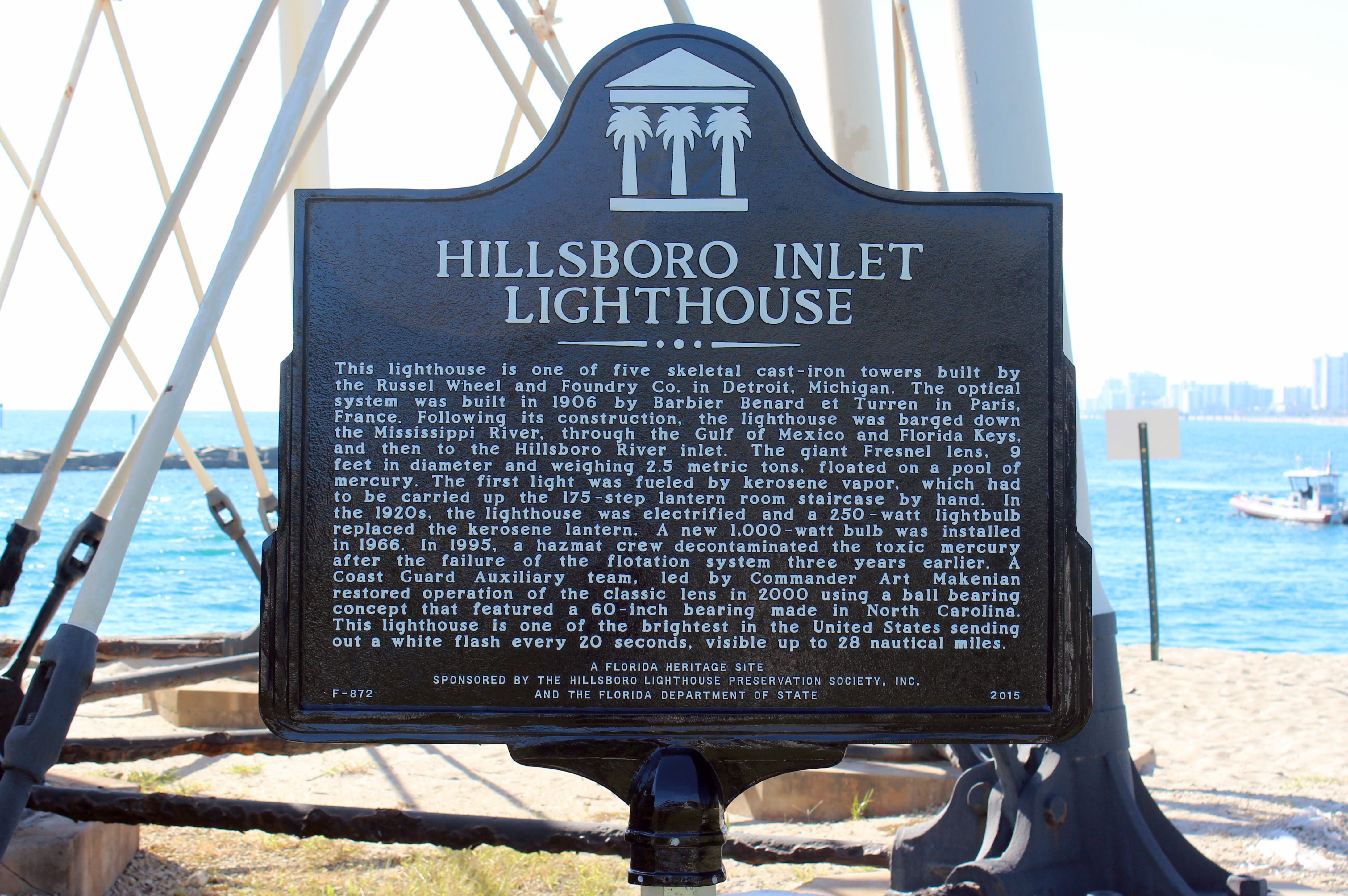
The Hillsboro Inlet Lighthouse, situated at the northern end of Hillsboro Beach, Florida, stands as a prominent maritime landmark and a significant piece of American navigational history. First lit in 1907, this skeletal iron tower replaced earlier, less effective coastal markers to guide vessels through the treacherous, narrow inlet where the Gulf Stream passes closest to the Florida shoreline. Visitors interested in maritime heritage will find the lighthouse a compelling destination, offering a glimpse into the engineering ingenuity of the early 20th century. While the lighthouse is not always open for interior tours, the surrounding park grounds provide excellent vantage points for photography and observation. It is a quintessential stop for those seeking unique places to visit along the Atlantic coast. The structure’s distinctive design, featuring a rotating Fresnel lens, remains a focal point for researchers and history enthusiasts alike. When planning your visit, it is advisable to check local schedules for lighthouse access, as it is managed by a dedicated preservation society. Exploring this site provides a tangible connection to the region's seafaring past, making it one of the most rewarding local attractions for visitors navigating the Florida coastline. Whether you are an architecture buff or a maritime history student, the lighthouse offers a serene yet historically dense environment that serves as a perfect anchor for your coastal exploration.
General information
The Hillsboro Inlet Lighthouse, situated at the northern end of Hillsboro Beach, Florida, stands as a prominent maritime landmark and a significant piece of American navigational history. First lit in 1907, this skeletal iron tower replaced earlier, less effective coastal markers to guide vessels through the treacherous, narrow inlet where the Gulf Stream passes closest to the Florida shoreline. Visitors interested in maritime heritage will find the lighthouse a compelling destination, offering a glimpse into the engineering ingenuity of the early 20th century. While the lighthouse is not always open for interior tours, the surrounding park grounds provide excellent vantage points for photography and observation. It is a quintessential stop for those seeking unique places to visit along the Atlantic coast. The structure’s distinctive design, featuring a rotating Fresnel lens, remains a focal point for researchers and history enthusiasts alike. When planning your visit, it is advisable to check local schedules for lighthouse access, as it is managed by a dedicated preservation society. Exploring this site provides a tangible connection to the region's seafaring past, making it one of the most rewarding local attractions for visitors navigating the Florida coastline. Whether you are an architecture buff or a maritime history student, the lighthouse offers a serene yet historically dense environment that serves as a perfect anchor for your coastal exploration.
Did you know
- The lighthouse was originally built in Detroit, Michigan, and then disassembled and shipped to Florida by barge.
- It features a rare, third-order Fresnel lens that is still operational today.
- The light is elevated 136 feet above sea level, making it one of the tallest lighthouses in Florida.
History
The Hillsboro Inlet Lighthouse was constructed to address the lack of adequate lighting between the Jupiter Inlet and Fowey Rocks lighthouses. Completed in 1907, the tower was designed as a skeletal iron structure to better withstand the high winds and hurricane-prone conditions of the Florida coast. It was officially commissioned by the United States Lighthouse Board to safeguard the shipping lanes where the Gulf Stream flows in close proximity to the shore. Over the decades, the lighthouse transitioned from oil-burning lamps to electricity, and in 1974, it was added to the National Register of Historic Places, ensuring its preservation for future generations.
Cultural significance
The lighthouse serves as a cultural icon for the Hillsboro Beach community and the wider maritime history of Florida. It represents the transition of the American coastline from an untamed, dangerous frontier to a managed, navigable shipping route. The preservation of the site is currently led by the Hillsboro Inlet Lighthouse Preservation Society, a non-profit organization dedicated to maintaining the structure's integrity and educating the public. It stands as a symbol of maritime safety and the historical importance of the Gulf Stream to the economic development of the Florida peninsula.
Geography and landscape
The lighthouse is located at the northern point of Hillsboro Beach, positioned precisely where the Hillsboro Inlet meets the Atlantic Ocean. The surrounding landscape is characterized by a mix of coastal vegetation, sandy beaches, and the constant, dynamic movement of the inlet's tidal waters. Because the Gulf Stream passes very close to this specific point, the area experiences unique current patterns that have historically challenged mariners. The site offers expansive views of the Atlantic horizon, providing a stark contrast between the industrial, vertical geometry of the iron tower and the horizontal, fluid nature of the surrounding marine environment.
More facts
- Imported from OSM batch