Hillsboro Inlet Light
US
- Location
- US
- Category
- heritage historic sites
- Coordinates
- 26.2591689, -80.0807464
- Best time
- Morning or early afternoon
- Weather tip
- Check the local forecast before visiting.
Overview
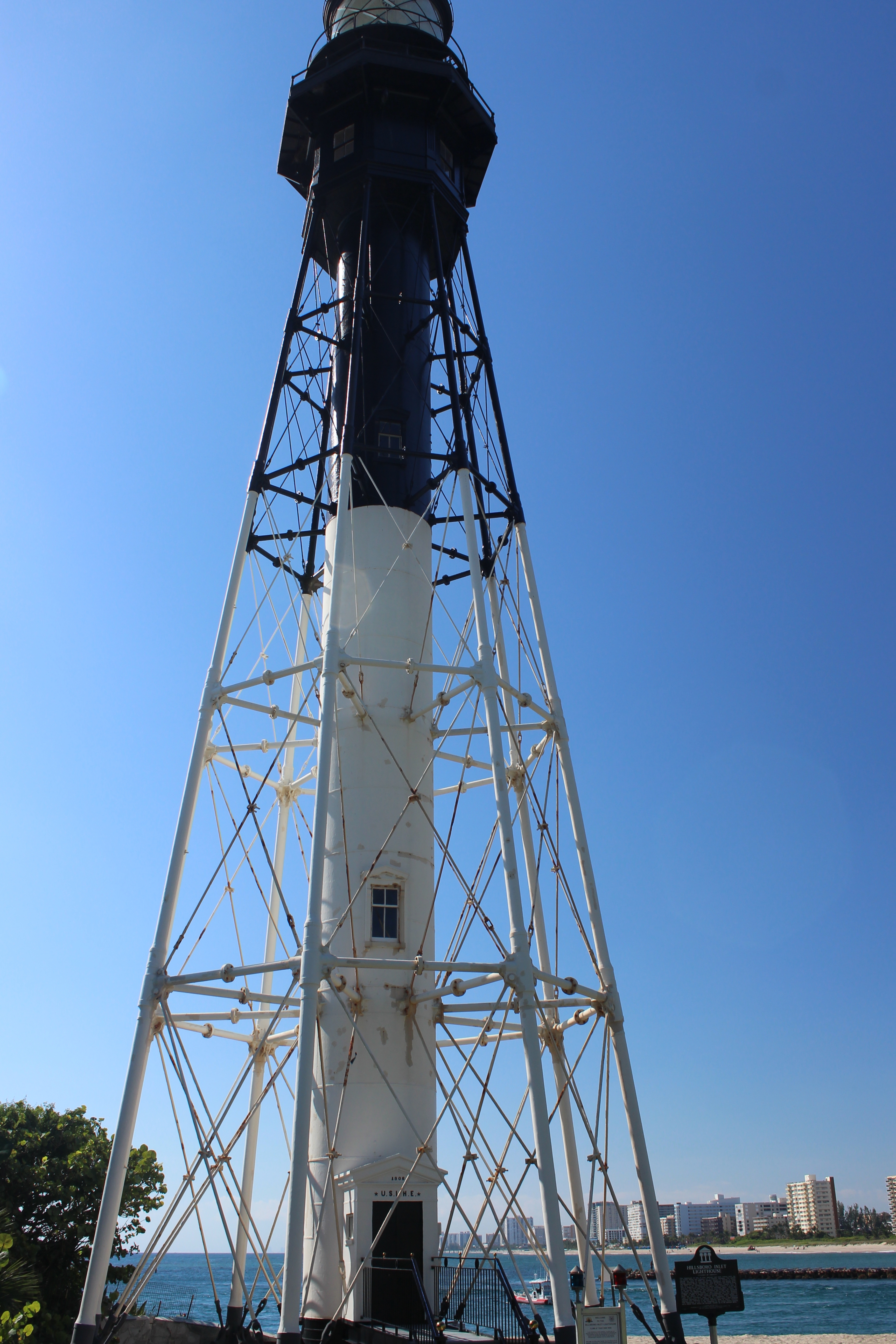
The Hillsboro Inlet Light, located in Hillsboro Beach, Florida, serves as a prominent maritime beacon marking the northern end of the Florida Reef. Established in 1907, this skeletal cast-iron tower stands at 136 feet, making it one of the tallest lighthouses in the state. Visitors interested in maritime history often seek out this site as one of the essential places to visit along the Atlantic coastline. The structure is characterized by its distinctive octagonal pyramid design and its powerful rotating lens, which has guided vessels through the treacherous inlet for over a century. While the grounds are primarily managed for navigational safety, the lighthouse remains an iconic architectural landmark. Those planning their trip ideas will find that the best time to visit is during the morning or early afternoon when visibility is clearest. The site offers a unique perspective on early 20th-century engineering and the historical importance of coastal defense systems. As you explore local attractions, consider that the lighthouse functions as an active aid to navigation, maintained by the United States Coast Guard. The surrounding area provides a scenic backdrop for photography and historical appreciation, though access to the interior is limited to specific scheduled tours. Whether you are a maritime enthusiast or a casual observer, the Hillsboro Inlet Light stands as a testament to the enduring necessity of coastal illumination in the modern era.
General information
The Hillsboro Inlet Light, located in Hillsboro Beach, Florida, serves as a prominent maritime beacon marking the northern end of the Florida Reef. Established in 1907, this skeletal cast-iron tower stands at 136 feet, making it one of the tallest lighthouses in the state. Visitors interested in maritime history often seek out this site as one of the essential places to visit along the Atlantic coastline. The structure is characterized by its distinctive octagonal pyramid design and its powerful rotating lens, which has guided vessels through the treacherous inlet for over a century. While the grounds are primarily managed for navigational safety, the lighthouse remains an iconic architectural landmark. Those planning their trip ideas will find that the best time to visit is during the morning or early afternoon when visibility is clearest. The site offers a unique perspective on early 20th-century engineering and the historical importance of coastal defense systems. As you explore local attractions, consider that the lighthouse functions as an active aid to navigation, maintained by the United States Coast Guard. The surrounding area provides a scenic backdrop for photography and historical appreciation, though access to the interior is limited to specific scheduled tours. Whether you are a maritime enthusiast or a casual observer, the Hillsboro Inlet Light stands as a testament to the enduring necessity of coastal illumination in the modern era.
Did you know
- The lighthouse was originally constructed in Detroit, Michigan, before being disassembled and shipped to Florida in 1907.
- Its rotating lens is a second-order Fresnel lens, which is significantly larger and more powerful than those found in smaller coastal lights.
- The lighthouse is painted white with a black lantern room, a color scheme designed to provide maximum visibility against the coastal sky.
History
The Hillsboro Inlet Light was commissioned to close the gap in the lighthouse chain between Jupiter Inlet and Fowey Rocks. Construction began in 1906, and the light was officially activated on March 7, 1907. The tower was manufactured by the L.P. Soule and Son Company of New Orleans, utilizing a skeletal iron design that allowed it to withstand the high-velocity winds associated with Atlantic hurricanes. Over the decades, the light has transitioned from an oil-burning lamp to an electrified system, yet it retains its original structural integrity. It was added to the National Register of Historic Places in 1974, ensuring the preservation of its historical and technological legacy.
Cultural significance
The lighthouse serves as a cultural symbol of Florida’s maritime heritage, representing the era when human-tended beacons were the primary defense against shipwrecks along the treacherous Florida Reef. It is deeply ingrained in the local identity of Hillsboro Beach, appearing frequently in regional art and historical documentation. The site represents the transition from the era of manual maritime navigation to modern automated systems. Beyond its functional role, it serves as a gathering point for historical societies and maritime enthusiasts who value the preservation of industrial structures that defined the early development of the Florida coastline.
Geography and landscape
The Hillsboro Inlet Light is situated at the northern end of the Florida Reef, directly overlooking the Hillsboro Inlet, which connects the Intracoastal Waterway to the Atlantic Ocean. The landscape is defined by the narrow barrier island environment, characterized by sandy coastal terrain and dense tropical vegetation. The tower’s elevated position offers a commanding view of the inlet’s shifting sandbars and the deep-water channel used by mariners. The surrounding area is primarily residential and coastal, providing a stark contrast between the industrial, skeletal iron structure of the lighthouse and the natural, horizontal lines of the Atlantic horizon.
More facts
- Imported from OSM batch