Gedimino kapo kalnas
Vilnius, IL
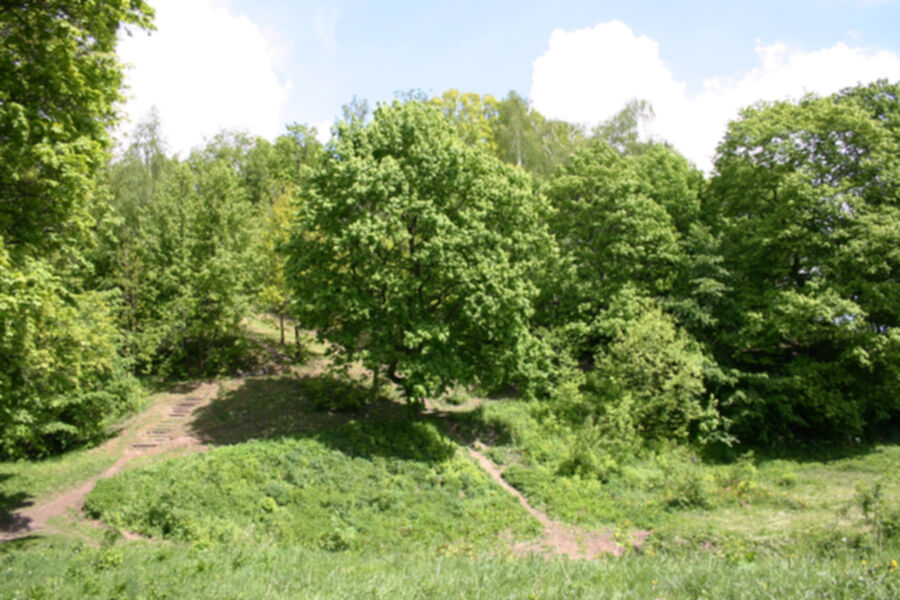
- Location
- Vilnius, IL
- Category
- viewpoints natural phenomena
- Coordinates
- 54.6847753, 25.3029595
- Best time
- Morning or early afternoon
- Weather tip
- Check the local forecast before visiting.
Overview
Gedimino kapo kalnas, historically known as the Hill of the Grave of Gediminas, is a significant archaeological site and natural landmark located in the heart of Vilnius, Lithuania. This site, classified as a mound with associated outer baileys (piliakalnis su papiliais), serves as a poignant reminder of the region's medieval defensive architecture and national mythology. Visitors are drawn to this hill for its panoramic vantage points, which offer a sweeping perspective of the Vilnius Old Town and the surrounding valley. As one of the most prominent places to visit in the capital, it provides a unique intersection of geological formation and human history. The site is characterized by its elevated terrain, which once played a strategic role in the defense of the city. Today, it is a peaceful area for those seeking to understand the historical layout of the city's fortifications. When planning your itinerary, this location is an essential stop for anyone looking to explore the natural and cultural heritage of the region. As you ascend the slopes, you will find well-maintained paths that lead to the summit, providing an excellent vantage point for photography and reflection. Whether you are interested in archaeology or simply looking for the best scenic views in the city, the hill remains a cornerstone of local heritage and a highlight among the many attractions in the area.
General information
Gedimino kapo kalnas, historically known as the Hill of the Grave of Gediminas, is a significant archaeological site and natural landmark located in the heart of Vilnius, Lithuania. This site, classified as a mound with associated outer baileys (piliakalnis su papiliais), serves as a poignant reminder of the region's medieval defensive architecture and national mythology. Visitors are drawn to this hill for its panoramic vantage points, which offer a sweeping perspective of the Vilnius Old Town and the surrounding valley. As one of the most prominent places to visit in the capital, it provides a unique intersection of geological formation and human history. The site is characterized by its elevated terrain, which once played a strategic role in the defense of the city. Today, it is a peaceful area for those seeking to understand the historical layout of the city's fortifications. When planning your itinerary, this location is an essential stop for anyone looking to explore the natural and cultural heritage of the region. As you ascend the slopes, you will find well-maintained paths that lead to the summit, providing an excellent vantage point for photography and reflection. Whether you are interested in archaeology or simply looking for the best scenic views in the city, the hill remains a cornerstone of local heritage and a highlight among the many attractions in the area.
Did you know
- The site is classified as a 'piliakalnis,' a term used in the Baltic region for a fortified mound or hillfort.
- The hill is traditionally associated with the burial place of Grand Duke Gediminas, although archaeological evidence remains a subject of academic discussion.
- It offers one of the most unobstructed views of the Gediminas Tower and the confluence of the Neris and Vilnia rivers.
History
Gedimino kapo kalnas represents a classic example of a medieval defensive structure. Archaeological surveys indicate that the hill was utilized for defensive purposes during the formation of the Grand Duchy of Lithuania. The term 'piliakalnis su papiliais' refers to the hill's structural design, which includes the main elevated mound and secondary defensive baileys or terraces. Throughout the centuries, the site has been subject to various interpretations regarding its historical usage, particularly concerning its connection to the legendary Grand Duke Gediminas. While historical records are often intertwined with folklore, the physical remains of earthworks confirm its strategic importance during the 13th to 15th centuries.
Cultural significance
The hill holds a deep place in Lithuanian national consciousness. It is a site where history and myth converge, symbolizing the resilience of the state during the medieval period. Because of its legendary association with Grand Duke Gediminas—the founder of Vilnius—the hill is not merely a geological feature but a site of national commemoration. It is frequently visited by those interested in the origins of the Lithuanian state and the evolution of Vilnius as a capital. The hill serves as a testament to the cultural identity of the region, grounding the modern city in its medieval roots.
Geography and landscape
Located in the central part of Vilnius, the hill is situated within the picturesque landscape of the Vilnia River valley. The terrain is characterized by a steep, naturally formed slope that has been modified by human activity to create defensive earthworks. The surrounding area is densely wooded, providing a stark contrast to the urban architecture of the Old Town visible from the summit. The elevation offers a unique natural vantage point, allowing for a clear view of the city’s historic layout, including the nearby Gediminas Tower and the Cathedral Square. The soil and vegetation are typical of the Baltic highlands, requiring careful preservation to maintain the site's structural integrity.
More facts
- Imported from OSM Overpass
Visitor links
Nearby attractions
- Altanos kalnas Vilnius - 193 m
- Stalo kalnas Vilnius - 290 m
- Plikasis (Kreivasis) kalnas Vilnius - 433 m
- Church Heritage Museum in Vilnius Vilnius - 727 m
- Gedimino kalnas Vilnius - 778 m
- Subačiaus g. apžvalgos aikštelė Vilnius - 822 m
- Old Arsenal Vilnius - 837 m
- The National Museum – Palace of the Grand Dukes of Lithuania Vilnius - 911 m