Franzosenkreuz Meusebach
DE
- Location
- DE
- Category
- iconic bucket list
- Coordinates
- 50.8141462, 11.723905
- Best time
- Morning or early afternoon
- Weather tip
- Check the local forecast before visiting.
Overview
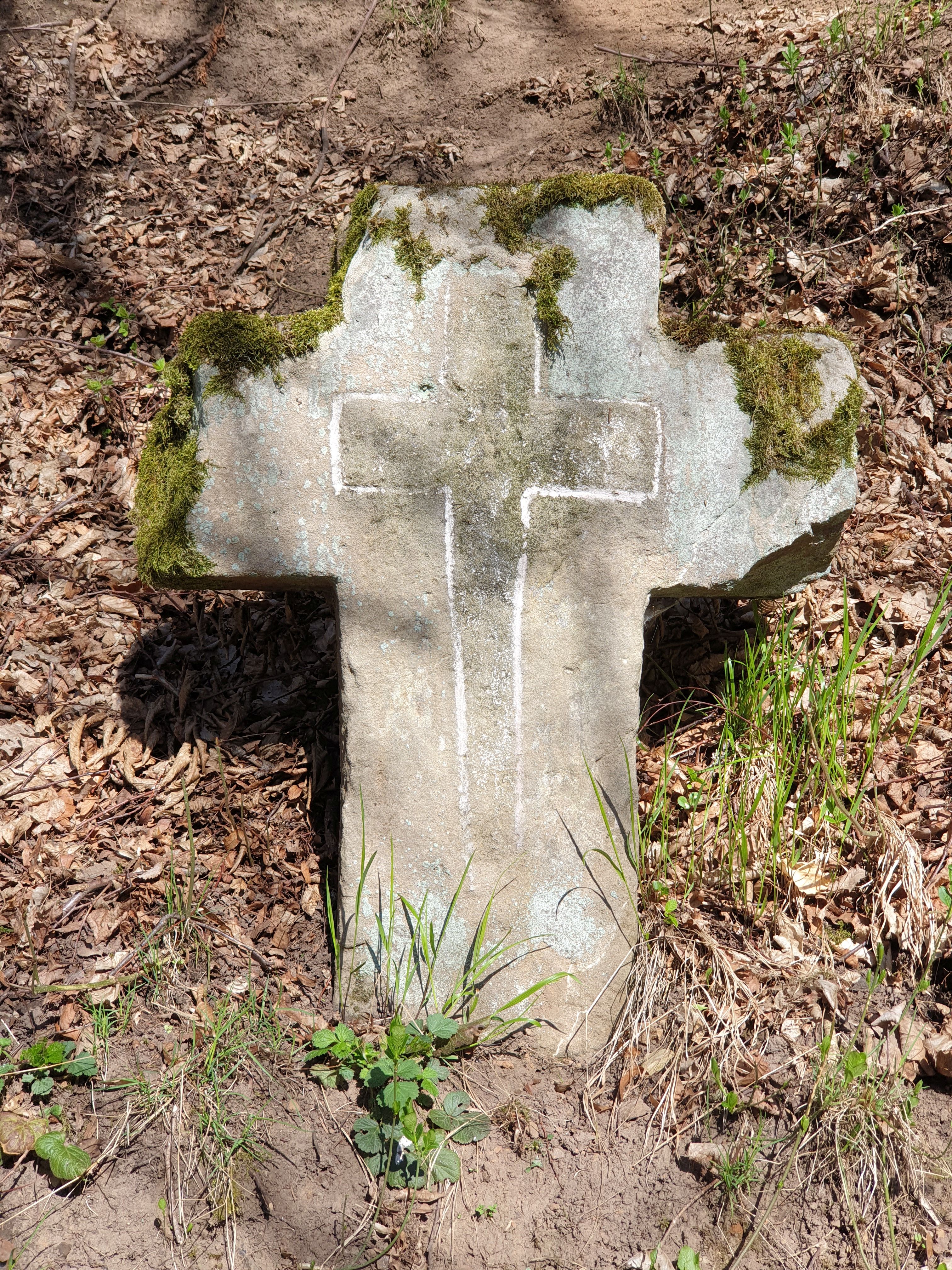
The Franzosenkreuz in Meusebach is a significant historical artifact, categorized as a medieval penitential cross (Sühnekreuz). Carved in the form of a traditional Latin cross, this stone monument serves as a somber reminder of the legal and social customs of the Middle Ages. Visitors interested in historical landmarks and regional heritage will find this site a compelling stop when exploring the rural landscapes of Thuringia. As a tangible relic, the cross provides a direct connection to the past, reflecting the historical practice of erecting stone monuments as penance for crimes committed. For those planning a visit, the site offers a quiet moment of reflection amidst the natural beauty of the surrounding countryside. When considering what to do in the area, a stop at the Franzosenkreuz is an excellent addition to any itinerary focused on local history. Visitors are encouraged to observe the craftsmanship of the stone carving, which has weathered centuries of exposure. As you look for unique trip ideas, this site stands out as a preserved piece of medieval judicial history. The cross is best viewed during the morning or early afternoon when natural light highlights the texture of the stone. Please check the local weather forecast before visiting to ensure a comfortable experience while exploring these historical sites.
General information
The Franzosenkreuz in Meusebach is a significant historical artifact, categorized as a medieval penitential cross (Sühnekreuz). Carved in the form of a traditional Latin cross, this stone monument serves as a somber reminder of the legal and social customs of the Middle Ages. Visitors interested in historical landmarks and regional heritage will find this site a compelling stop when exploring the rural landscapes of Thuringia. As a tangible relic, the cross provides a direct connection to the past, reflecting the historical practice of erecting stone monuments as penance for crimes committed. For those planning a visit, the site offers a quiet moment of reflection amidst the natural beauty of the surrounding countryside. When considering what to do in the area, a stop at the Franzosenkreuz is an excellent addition to any itinerary focused on local history. Visitors are encouraged to observe the craftsmanship of the stone carving, which has weathered centuries of exposure. As you look for unique trip ideas, this site stands out as a preserved piece of medieval judicial history. The cross is best viewed during the morning or early afternoon when natural light highlights the texture of the stone. Please check the local weather forecast before visiting to ensure a comfortable experience while exploring these historical sites.
Did you know
- The term 'Sühnekreuz' refers to stone crosses erected as part of a legal settlement or penance for a manslaughter.
- The name 'Franzosenkreuz' (French Cross) is a common folk-name for historical crosses in Germany, often misattributed to the Napoleonic era.
- These monuments are protected historical landmarks that provide insight into medieval common law.
History
The Franzosenkreuz is a medieval penitential cross, a type of monument that became common in Central Europe between the 13th and 16th centuries. These crosses were typically commissioned by the perpetrator of a crime, often manslaughter, as part of a 'Sühnevertrag' (penitential contract) mandated by the local court or church. By erecting a stone cross, the perpetrator sought reconciliation with the victim's family and the community, thereby avoiding further blood feuds or harsher legal penalties. The specific history of the Meusebach cross is tied to regional customs where such markers served as both a spiritual plea for forgiveness and a public record of legal resolution.
Cultural significance
Culturally, the Franzosenkreuz represents the transition from private vengeance to formalized legal systems in medieval Germany. It serves as a physical manifestation of the Christian influence on judicial practices, emphasizing redemption and reconciliation over retribution. Today, these crosses are valued by historians and local communities as essential cultural heritage items. They are protected under monument preservation laws, ensuring that these rare remnants of medieval social order remain standing as witnesses to the past. They invite visitors to contemplate the evolution of justice and the enduring human desire for peace after conflict.
Geography and landscape
The Franzosenkreuz is situated in the rural landscape of Meusebach, Thuringia. The surrounding area is characterized by the rolling hills and agricultural fields typical of the central German highlands. The cross stands in a relatively quiet, open setting, allowing it to remain a focal point within the local topography. Access to the site involves traversing the pastoral paths of the region, which offer an authentic view of the Thuringian countryside. The placement of such crosses was often intentional, frequently occurring near roads or village boundaries to ensure they were visible to travelers, serving as a constant reminder of the law and the potential for moral atonement.
More facts
- Imported from OSM batch
Visitor links
Nearby attractions
- Sühnekreuz Waltersdorf 1758 m
- Kursächsische Postmeilensäule 8767 m
- Steinkreuz 9663 m
- Totenstein 10695 m