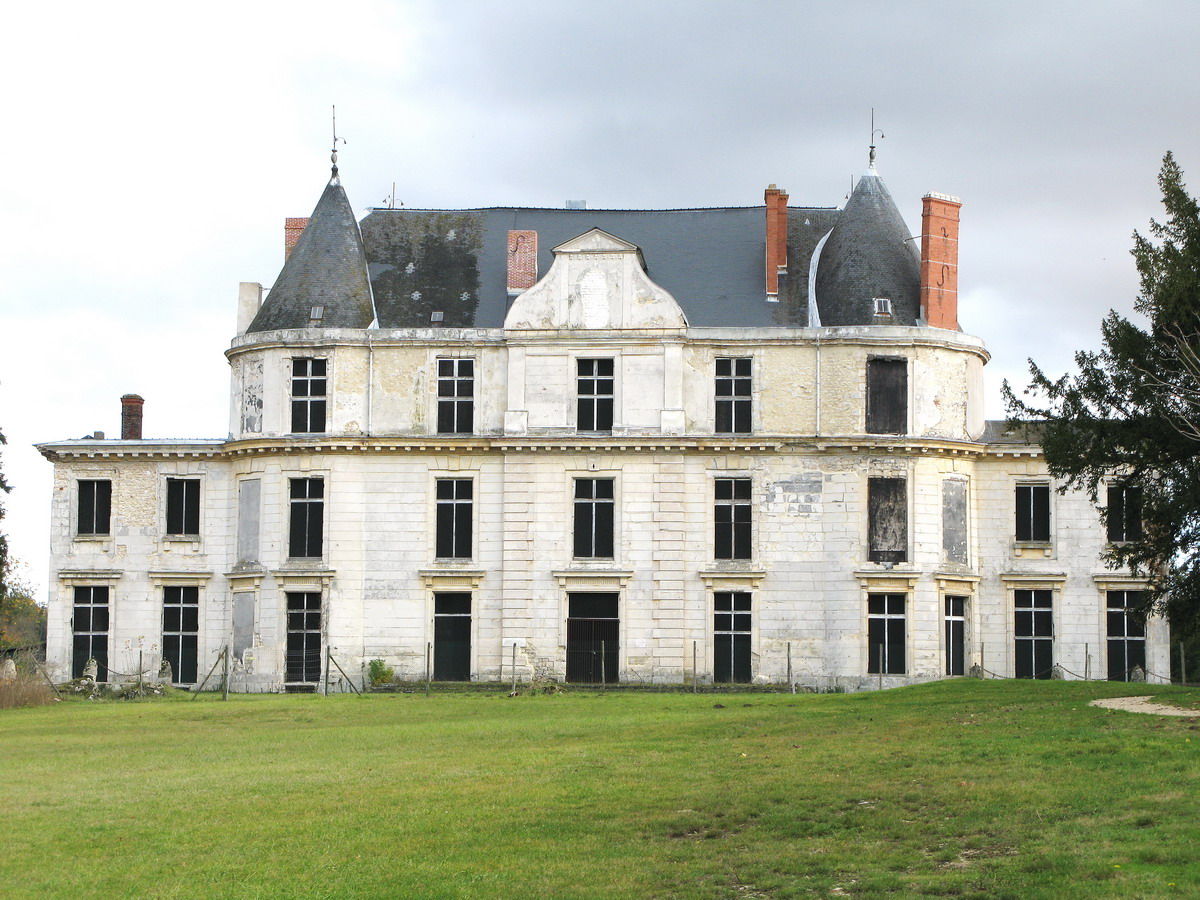
Château de Méréville
FR
- Location
- FR
- Category
- heritage historic sites
- Coordinates
- 48.319801, 2.09096
- Best time
- Morning or early afternoon
- Weather tip
- Check the local forecast before visiting.
Overview
The Château de Méréville stands as a significant example of French neoclassical architecture and landscape design, located in the Essonne department of France. Originally constructed in the 18th century, the estate is renowned for its expansive park, which was meticulously designed by the landscape architect François-Joseph Bélanger at the request of the Marquis de Laborde. Visitors interested in historical estates often include this site in their itinerary when exploring the region’s rich architectural heritage. The park is a quintessential specimen of the 'jardin anglo-chinois' style, characterized by its picturesque ruins, bridges, and carefully curated natural elements that aim to evoke a sense of romantic contemplation. As you plan your visit, you will find that the grounds offer a tranquil retreat, providing a deep dive into the aesthetic values of the Enlightenment era. For those seeking unique places to visit, the château offers a window into the life of the French aristocracy before the Revolution. The site is best explored during the morning or early afternoon when the light enhances the intricate details of the landscape architecture. Whether you are a history enthusiast or simply looking for serene trip ideas, the Château de Méréville provides a compelling look at the intersection of nature and human design. Please note that it is advisable to check the local weather forecast before visiting to ensure the best experience while walking the expansive grounds.
General information
The Château de Méréville stands as a significant example of French neoclassical architecture and landscape design, located in the Essonne department of France. Originally constructed in the 18th century, the estate is renowned for its expansive park, which was meticulously designed by the landscape architect François-Joseph Bélanger at the request of the Marquis de Laborde. Visitors interested in historical estates often include this site in their itinerary when exploring the region’s rich architectural heritage. The park is a quintessential specimen of the 'jardin anglo-chinois' style, characterized by its picturesque ruins, bridges, and carefully curated natural elements that aim to evoke a sense of romantic contemplation. As you plan your visit, you will find that the grounds offer a tranquil retreat, providing a deep dive into the aesthetic values of the Enlightenment era. For those seeking unique places to visit, the château offers a window into the life of the French aristocracy before the Revolution. The site is best explored during the morning or early afternoon when the light enhances the intricate details of the landscape architecture. Whether you are a history enthusiast or simply looking for serene trip ideas, the Château de Méréville provides a compelling look at the intersection of nature and human design. Please note that it is advisable to check the local weather forecast before visiting to ensure the best experience while walking the expansive grounds.
Did you know
- The park was designed in the 'jardin anglo-chinois' style, which was highly fashionable in late 18th-century France.
- The estate was commissioned by the Marquis de Laborde, a wealthy financier and patron of the arts.
- François-Joseph Bélanger, the architect, was also responsible for the design of the Bagatelle in the Bois de Boulogne.
History
The Château de Méréville was constructed in the late 18th century, specifically between 1784 and 1794, for Jean-Joseph de Laborde. Laborde, one of the wealthiest men in France at the time, sought to create a landscape that reflected the philosophical ideals of the Enlightenment. He employed the architect François-Joseph Bélanger to design the park, which became famous for its sophisticated use of follies—architectural structures built for decoration rather than utility. During the French Revolution, the estate faced significant challenges, and much of the original interior splendor was altered. In more recent decades, the site has undergone extensive restoration efforts to preserve its historical integrity and its status as a masterpiece of French landscape gardening.
Cultural significance
The site represents a pivotal shift in French cultural history, marking the transition from the rigid, geometric formality of traditional French gardens to the more naturalistic and emotional 'English' style. It serves as a testament to the patronage of the 18th-century French elite, who utilized their estates as stages for philosophical discourse and artistic expression. The gardens are considered a major cultural landmark in the Essonne region, reflecting the period's obsession with the 'picturesque'—a concept that prioritized the emotional response of the viewer to the landscape. It remains a subject of ongoing study for historians of art and architecture.
Geography and landscape
Located in the Essonne department, the estate is situated in a valley characterized by its rolling terrain and proximity to the Juine River. The landscape design utilizes the natural topography to create varied perspectives and vistas, a hallmark of the picturesque style. The park features a complex network of paths, artificial water features, and symbolic structures, such as the Temple of Filial Piety. The surrounding area remains largely rural, maintaining the quiet, pastoral atmosphere that was central to the original design intent of the late 18th century. The interaction between the built environment and the lush, curated greenery is the defining feature of the estate's physical layout.
More facts
- Imported from OSM batch
Visitor links
Nearby attractions
- Halle 147 m
- Église Saint-Pierre-ès-Liens 584 m
- Monument aux morts 6956 m
- Menhir de Pierrefitte 12176 m
- Château de Farcheville 18689 m