Château de Hermalle-sous-Huy
BE
- Location
- BE
- Category
- heritage historic sites
- Coordinates
- 50.557656, 5.360776
- Best time
- Morning or early afternoon
- Weather tip
- Check the local forecast before visiting.
Overview
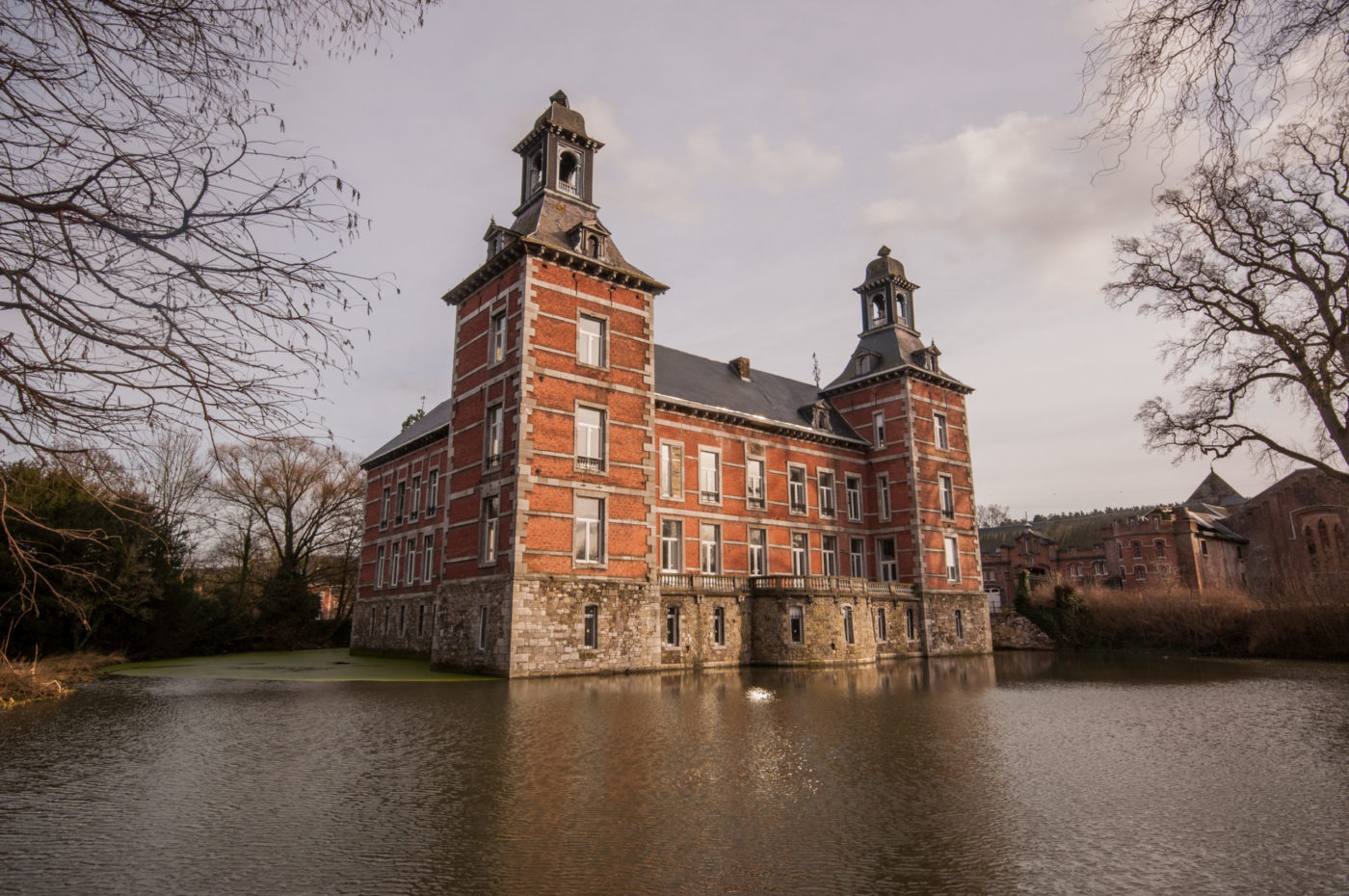
The Château de Hermalle-sous-Huy is a significant heritage site located in Belgium, primarily dating back to the 17th century. This historic residence is a notable example of regional architecture, constructed using a combination of sandstone rubble, limestone, and brick. Visitors to this site can observe the evolution of domestic fortifications and manor houses that characterize the Meuse valley region. The structure stands as a testament to the architectural practices of the 1600s, reflecting the transition from defensive feudal architecture to the more aesthetic and residential styles favored by the nobility of the period. For those interested in historical exploration, this site provides a unique look at local heritage conservation. When planning your itinerary, this château is one of the most intriguing places to visit for architecture enthusiasts. The site offers a quiet, contemplative atmosphere, making it a perfect addition to your list of trip ideas if you are touring the historic landscapes of Belgium. Guests can expect to see a well-preserved exterior that highlights the material diversity of the era, providing a tangible connection to the past. While exploring the surroundings, visitors often appreciate the blend of natural stone and masonry that gives the building its distinct character. Whether you are a student of history or simply enjoy discovering hidden architectural gems, the Château de Hermalle-sous-Huy remains a compelling destination for those seeking to understand the structural history of the region.
General information
The Château de Hermalle-sous-Huy is a significant heritage site located in Belgium, primarily dating back to the 17th century. This historic residence is a notable example of regional architecture, constructed using a combination of sandstone rubble, limestone, and brick. Visitors to this site can observe the evolution of domestic fortifications and manor houses that characterize the Meuse valley region. The structure stands as a testament to the architectural practices of the 1600s, reflecting the transition from defensive feudal architecture to the more aesthetic and residential styles favored by the nobility of the period. For those interested in historical exploration, this site provides a unique look at local heritage conservation. When planning your itinerary, this château is one of the most intriguing places to visit for architecture enthusiasts. The site offers a quiet, contemplative atmosphere, making it a perfect addition to your list of trip ideas if you are touring the historic landscapes of Belgium. Guests can expect to see a well-preserved exterior that highlights the material diversity of the era, providing a tangible connection to the past. While exploring the surroundings, visitors often appreciate the blend of natural stone and masonry that gives the building its distinct character. Whether you are a student of history or simply enjoy discovering hidden architectural gems, the Château de Hermalle-sous-Huy remains a compelling destination for those seeking to understand the structural history of the region.
Did you know
- The château's construction features a distinct mix of sandstone, limestone, and brick, typical of 17th-century regional building traditions.
- It represents the transition period in Belgian architecture from fortified manor to residential chateau.
- The site is located within the Meuse valley, a region historically significant for its architectural density.
History
The Château de Hermalle-sous-Huy is primarily attributed to the 17th century. During this era, architectural trends in the region shifted away from purely defensive military structures toward more refined residential manor houses. The use of sandstone rubble, limestone, and brick was a common practice during this period, allowing builders to utilize locally sourced materials to create durable and visually distinct facades. The building has survived various historical shifts, serving as a physical record of the social and economic status of its former inhabitants during the 1600s and beyond.
Cultural significance
As a heritage site, the château plays a vital role in preserving the architectural identity of the region. It serves as a study in 17th-century material culture, demonstrating how construction techniques evolved in the Meuse valley. By maintaining such structures, the local community preserves the aesthetic and historical narrative of their ancestors. It provides an essential link to the past, reminding contemporary visitors of the craftsmanship and structural priorities that defined the aristocratic lifestyle in early modern Belgium.
Geography and landscape
The château is situated in the Meuse valley, a landscape defined by its proximity to the river and its rolling terrain. The surrounding area is characterized by a mix of historic rural architecture and natural features that have been shaped by centuries of human habitation. The site's physical setting reflects the strategic importance of the valley for transport and agriculture throughout history. The building's exterior materials—sandstone and limestone—are directly reflective of the local geology, grounding the structure firmly within its geographical context.
More facts
- Imported from OSM batch
Visitor links
Nearby attractions
- Château de Hermalle-sous-Huy 1 m
- Ferme castrale de Hermalle-sous-Huy Hermalle-sous-Huy - 61 m
- Fours à chaux 1656 m
- Église Notre-Dame 2256 m
- Château de Stockem 3070 m
- Château de Stockem 3071 m
- Château de Warfusée 3190 m
- Collégiale Sainte-Ode 3204 m