Château de Hermalle-sous-Huy
BE
- Location
- BE
- Category
- heritage historic sites
- Coordinates
- 50.557663, 5.360769
- Best time
- Morning or early afternoon
- Weather tip
- Check the local forecast before visiting.
Overview
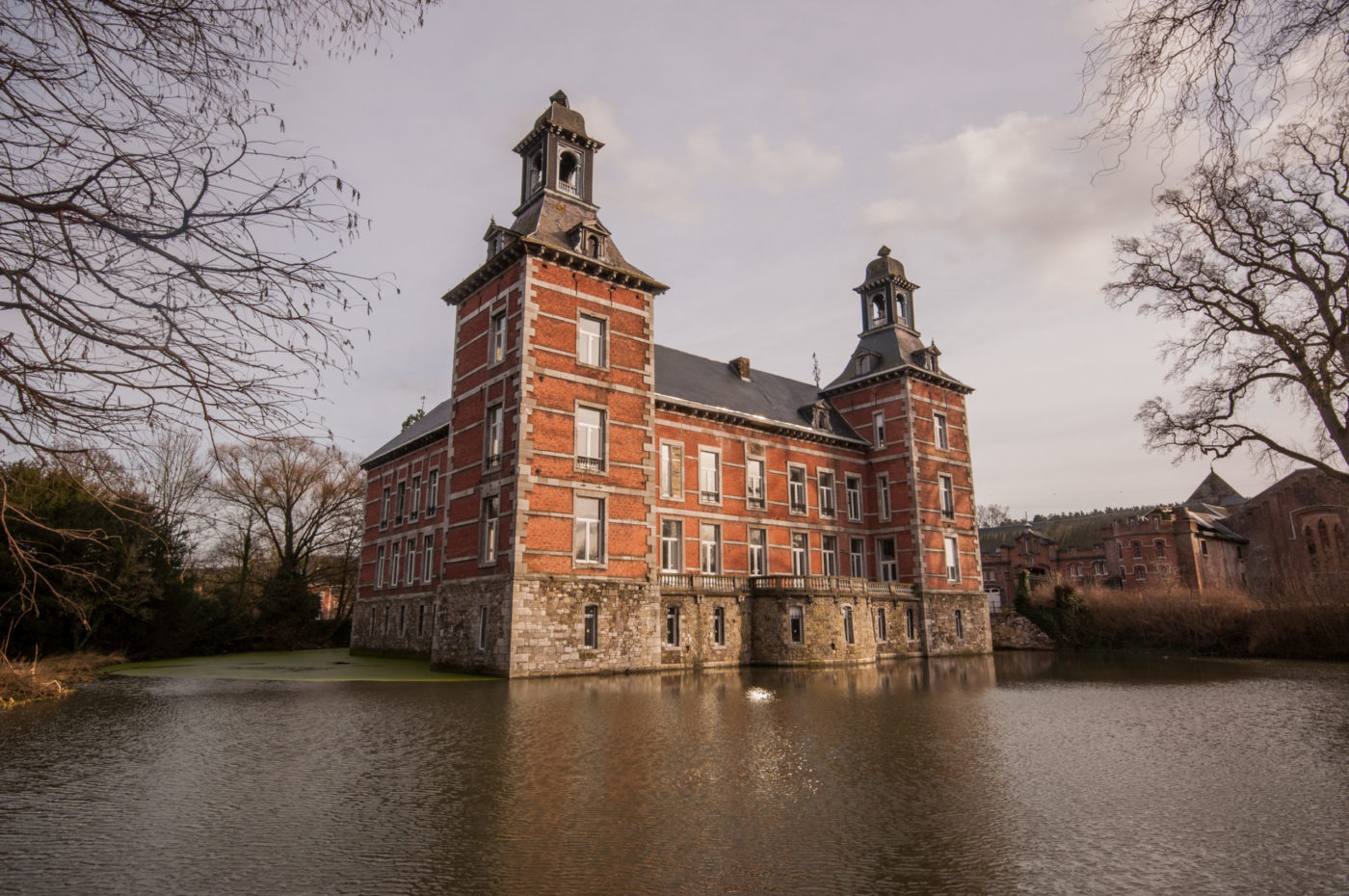
The Château de Hermalle-sous-Huy is a significant heritage site located in Belgium, primarily dating back to the 17th century. This historic structure is noted for its distinctive architectural composition, constructed from a combination of sandstone rubble, limestone, and brick. As a prime example of regional architecture from the period, it serves as a testament to the evolving construction techniques and aesthetic preferences of the 1600s. Visitors to the site can observe the well-preserved masonry that characterizes the building's facade, offering a window into the aristocratic lifestyle and defensive architecture of the era. Exploring this landmark is an excellent way to discover places to visit for those interested in European history and architectural evolution. While the château is primarily recognized for its historical integrity, it also provides a serene setting that appeals to history enthusiasts and architecture students alike. Travelers looking for unique trip ideas will find that the site captures the essence of the Meuse valley's heritage. The structure stands as a focal point for the local community, maintaining its historical significance amidst the changing landscape. For those planning an excursion, the morning or early afternoon hours are recommended for optimal lighting and viewing conditions. Please ensure you check the local weather forecast before visiting to fully enjoy the outdoor experience of this remarkable 17th-century estate.
General information
The Château de Hermalle-sous-Huy is a significant heritage site located in Belgium, primarily dating back to the 17th century. This historic structure is noted for its distinctive architectural composition, constructed from a combination of sandstone rubble, limestone, and brick. As a prime example of regional architecture from the period, it serves as a testament to the evolving construction techniques and aesthetic preferences of the 1600s. Visitors to the site can observe the well-preserved masonry that characterizes the building's facade, offering a window into the aristocratic lifestyle and defensive architecture of the era. Exploring this landmark is an excellent way to discover places to visit for those interested in European history and architectural evolution. While the château is primarily recognized for its historical integrity, it also provides a serene setting that appeals to history enthusiasts and architecture students alike. Travelers looking for unique trip ideas will find that the site captures the essence of the Meuse valley's heritage. The structure stands as a focal point for the local community, maintaining its historical significance amidst the changing landscape. For those planning an excursion, the morning or early afternoon hours are recommended for optimal lighting and viewing conditions. Please ensure you check the local weather forecast before visiting to fully enjoy the outdoor experience of this remarkable 17th-century estate.
Did you know
- The château is constructed using a blend of sandstone rubble, limestone, and brick, which was a common regional building practice in the 17th century.
- The site is primarily recognized for its historical architectural integrity dating back to the 1600s.
- It is situated within the Meuse valley, a region historically significant for its defensive and aristocratic estates.
History
The Château de Hermalle-sous-Huy dates primarily to the 17th century. During this era, the construction of such châteaux reflected the transition from fortified medieval structures to more refined residential estates. The use of sandstone rubble, limestone, and brick was highly characteristic of the period's regional architectural style in the Wallonia region of Belgium. While the site has undergone various maintenance efforts over the centuries to preserve its structural integrity, its core 17th-century design remains the defining feature of the estate, providing historians with valuable insights into the social and architectural history of the Meuse valley.
Cultural significance
The château holds cultural importance as a representative example of 17th-century Belgian architecture. It serves as a physical record of the craftsmanship and material resources available to builders in the region during the early modern period. By preserving the original masonry and design elements, the site contributes to the collective cultural heritage of the area, allowing researchers and the public to appreciate the historical continuity of the Belgian landscape. It stands as a reminder of the historical evolution of private estates in the region, bridging the gap between medieval defensive architecture and later, more ornamental residential styles.
Geography and landscape
The Château de Hermalle-sous-Huy is situated within the scenic landscape of the Meuse valley. The terrain is characterized by the rolling hills and river-influenced topography typical of this part of Belgium. The building's orientation and construction materials allow it to integrate harmoniously with the natural environment, utilizing local stone and earth-toned bricks that echo the surrounding geology. The site benefits from a quiet, rural setting that has historically supported agricultural and residential development, providing a tranquil atmosphere for visitors interested in the intersection of historic architecture and the natural landscape.
More facts
- Imported from OSM batch
Visitor links
Nearby attractions
- Château de Hermalle-sous-Huy 1 m
- Ferme castrale de Hermalle-sous-Huy Hermalle-sous-Huy - 62 m
- Fours à chaux 1655 m
- Église Notre-Dame 2256 m
- Château de Stockem 3070 m
- Château de Stockem 3071 m
- Château de Warfusée 3190 m
- Collégiale Sainte-Ode 3204 m