Buffalo North breakwater East end Light
US
- Location
- US
- Category
- iconic bucket list
- Coordinates
- 42.8776683, -78.8900717
- Best time
- Morning or early afternoon
- Weather tip
- Check the local forecast before visiting.
Overview
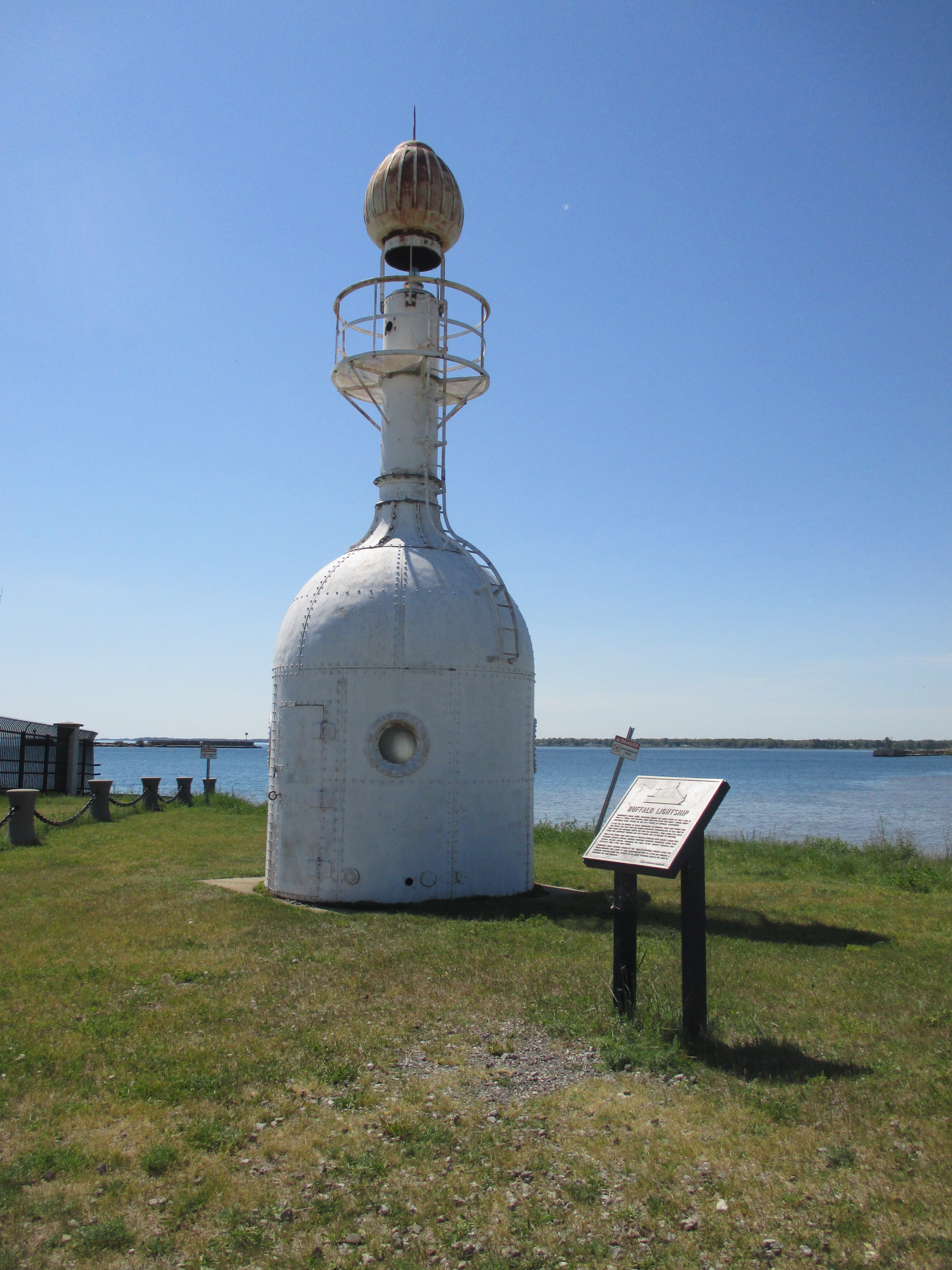
The Buffalo North Breakwater East End Light stands as a historic sentinel of maritime navigation, representing a unique architectural typology known as the "bottle-shaped" beacon. Originally established to guide mariners safely through the complex entries of Buffalo Harbor, this lighthouse is a testament to the industrial expansion of the Great Lakes region. Visitors interested in maritime history often seek out these structures to understand the evolution of navigational aids during the 19th and early 20th centuries. The structure is one of only two remaining examples of this specific design, with its sister beacon currently preserved at the Dunkirk Lighthouse Museum. When planning your trip ideas for exploring the architectural heritage of New York’s waterfronts, this lighthouse serves as a compelling focal point. Visitors can expect to observe a significant piece of engineering that functioned as a critical visual reference point for vessels navigating the turbulent waters of Lake Erie. As you consider various places to visit along the coast, the Buffalo North Breakwater East End Light offers a profound connection to the logistical history of harbor management. While the site is best appreciated during the calm light of morning or early afternoon, visitors should always consult local weather forecasts before heading out, as conditions on the Great Lakes can shift rapidly. This site remains a vital landmark for those documenting the legacy of American lighthouse construction and the maritime infrastructure that fueled regional growth.
General information
The Buffalo North Breakwater East End Light stands as a historic sentinel of maritime navigation, representing a unique architectural typology known as the "bottle-shaped" beacon. Originally established to guide mariners safely through the complex entries of Buffalo Harbor, this lighthouse is a testament to the industrial expansion of the Great Lakes region. Visitors interested in maritime history often seek out these structures to understand the evolution of navigational aids during the 19th and early 20th centuries. The structure is one of only two remaining examples of this specific design, with its sister beacon currently preserved at the Dunkirk Lighthouse Museum. When planning your trip ideas for exploring the architectural heritage of New York’s waterfronts, this lighthouse serves as a compelling focal point. Visitors can expect to observe a significant piece of engineering that functioned as a critical visual reference point for vessels navigating the turbulent waters of Lake Erie. As you consider various places to visit along the coast, the Buffalo North Breakwater East End Light offers a profound connection to the logistical history of harbor management. While the site is best appreciated during the calm light of morning or early afternoon, visitors should always consult local weather forecasts before heading out, as conditions on the Great Lakes can shift rapidly. This site remains a vital landmark for those documenting the legacy of American lighthouse construction and the maritime infrastructure that fueled regional growth.
Did you know
- This lighthouse is one of only two 'bottle-shaped' beacons ever constructed for this specific purpose in the region.
- The twin beacon to this structure is currently preserved and displayed at the Dunkirk Lighthouse Museum in Dunkirk, New York.
- The lighthouse was designed to provide a distinct visual silhouette to help mariners distinguish the harbor entrance in varying visibility conditions.
History
The Buffalo North Breakwater East End Light was constructed to support the burgeoning maritime traffic in Buffalo Harbor, a critical hub for Great Lakes commerce. During the era of its operation, the lighthouse provided essential guidance for vessels navigating the hazardous breakwaters that protected the harbor from the unpredictable conditions of Lake Erie. The specific 'bottle' design was an intentional engineering choice meant to maximize visibility and structural integrity. Over time, as modern electronic navigation systems replaced the need for manual visual beacons, the lighthouse was decommissioned from its active duty. Today, it serves as a preserved artifact of 20th-century maritime engineering, highlighting the transition from manual light-tending to automated navigational safety.
Cultural significance
The lighthouse serves as a cultural touchstone for the maritime identity of the Great Lakes region. It represents the era when Buffalo functioned as a primary gateway for goods moving between the Atlantic and the American interior. By preserving the structure, the community honors the labor and expertise of the lighthouse keepers and mariners who relied on these beacons for safe passage. It stands as a symbol of the resilience of the local harbor community and continues to educate the public on the importance of maintaining historical infrastructure that once defined the economic prosperity of the region.
Geography and landscape
Located in the context of Buffalo Harbor, the lighthouse is positioned to overlook the interface between the urban waterfront and the vast expanse of Lake Erie. The landscape is characterized by the engineered breakwaters that define the harbor’s perimeter, separating the calm, protected waters of the port from the open, often turbulent lake currents. The site offers expansive views of the horizon, which historically allowed the beacon to be seen from a significant distance by incoming vessels. The surroundings are dominated by industrial maritime remnants and the wide-open sky, creating an atmosphere of isolation and historical reflection.
More facts
- Imported from OSM batch