Buffalo Lightship
US
- Location
- US
- Category
- heritage historic sites
- Coordinates
- 42.8776732, -78.889983
- Best time
- Morning or early afternoon
- Weather tip
- Check the local forecast before visiting.
Overview
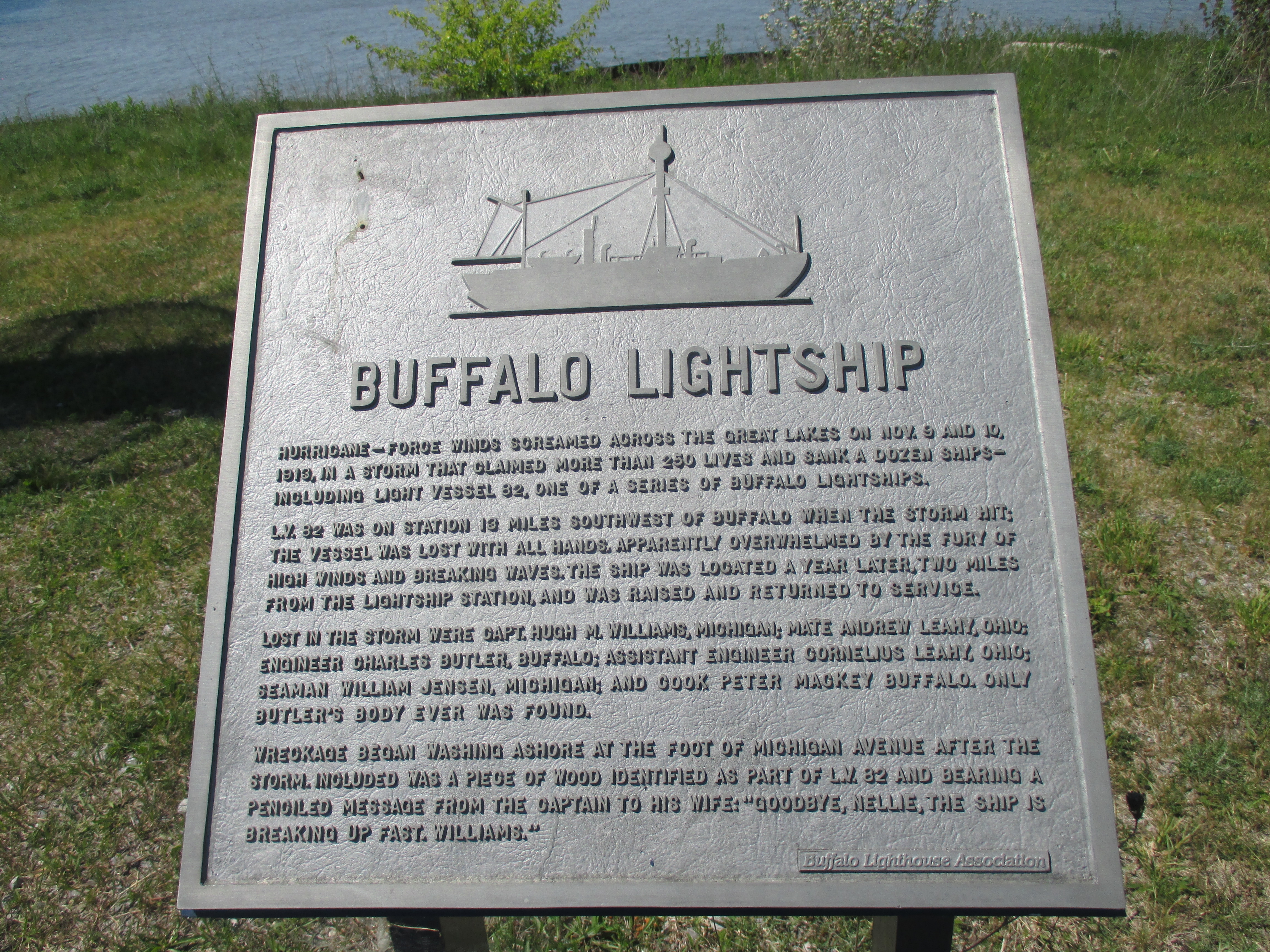
The Buffalo Lightship, historically designated as LV-82, stands as a significant maritime artifact preserved in Buffalo, New York. Serving as a floating lighthouse, lightships were essential navigational aids stationed in areas where building a permanent lighthouse was impossible or impractical. LV-82 was commissioned by the United States Lighthouse Service and launched in 1912. Throughout its operational life, it provided critical warnings to mariners navigating the treacherous waters of Lake Erie. Today, the vessel is recognized for its historical integrity and serves as a vital piece of maritime heritage. Visitors interested in industrial history and nautical engineering will find this vessel a compelling stop among the many local attractions in the region. The ship offers a tangible connection to the early 20th-century commerce that relied on the Great Lakes for transportation. While exploring the waterfront, travelers often include this site in their trip ideas to better understand the technological evolution of maritime safety. The lightship is maintained to reflect its original configuration, allowing guests to observe the specialized equipment and living quarters that defined life for the crew aboard these lonely, stationary vessels. Whether you are a history enthusiast or simply seeking unique points of interest, the Buffalo Lightship provides an authentic look at the challenges faced by sailors on the Great Lakes. It is recommended to visit during the morning or early afternoon to fully appreciate the vessel's structure and the surrounding harbor views.
General information
The Buffalo Lightship, historically designated as LV-82, stands as a significant maritime artifact preserved in Buffalo, New York. Serving as a floating lighthouse, lightships were essential navigational aids stationed in areas where building a permanent lighthouse was impossible or impractical. LV-82 was commissioned by the United States Lighthouse Service and launched in 1912. Throughout its operational life, it provided critical warnings to mariners navigating the treacherous waters of Lake Erie. Today, the vessel is recognized for its historical integrity and serves as a vital piece of maritime heritage. Visitors interested in industrial history and nautical engineering will find this vessel a compelling stop among the many local attractions in the region. The ship offers a tangible connection to the early 20th-century commerce that relied on the Great Lakes for transportation. While exploring the waterfront, travelers often include this site in their trip ideas to better understand the technological evolution of maritime safety. The lightship is maintained to reflect its original configuration, allowing guests to observe the specialized equipment and living quarters that defined life for the crew aboard these lonely, stationary vessels. Whether you are a history enthusiast or simply seeking unique points of interest, the Buffalo Lightship provides an authentic look at the challenges faced by sailors on the Great Lakes. It is recommended to visit during the morning or early afternoon to fully appreciate the vessel's structure and the surrounding harbor views.
Did you know
- LV-82 was one of the few lightships built specifically for service on the Great Lakes.
- The vessel was designed to withstand the unique, choppy wave patterns characteristic of Lake Erie.
- Lightships like the Buffalo were often referred to as 'floating lighthouses' and were vital before modern GPS technology.
History
Commissioned by the United States Lighthouse Service, the Buffalo Lightship (LV-82) was launched in 1912. Its primary purpose was to mark the entrance to the Buffalo Harbor, guiding commercial vessels safely through the often-hazardous conditions of Lake Erie. Unlike coastal lightships, LV-82 had to be constructed to handle the shorter, steeper waves of the Great Lakes. The ship served faithfully until it was decommissioned as technology evolved and automated buoys and permanent structures rendered floating light stations obsolete. Its preservation today allows for the study of early 20th-century maritime safety protocols and the daily lives of the lighthouse keepers who manned these isolated outposts.
Cultural significance
The Buffalo Lightship represents a bygone era of maritime labor and navigation. It serves as a cultural touchstone for the city of Buffalo, reflecting the town's historical identity as a major hub for Great Lakes trade and industrial shipping. By preserving the vessel, the community honors the bravery of the crews who endured harsh weather and isolation to ensure the safety of others. It stands as a testament to the importance of the Great Lakes in the economic development of the United States and provides an educational resource for understanding the transition from manual, human-tended navigation to modern, automated systems.
Geography and landscape
The Buffalo Lightship is situated within the Buffalo waterfront, a landscape defined by its industrial heritage and connection to Lake Erie. The area is characterized by a mix of historic maritime infrastructure and modern revitalization efforts. The vessel sits in the harbor, providing a stark contrast between its early 20th-century steel hull and the contemporary skyline of the city. The surrounding terrain is flat, typical of the Great Lakes shoreline, with views extending across the water. This location is subject to the variable weather patterns of the region, which frequently influence the visibility and atmosphere of the harbor site.
More facts
- Imported from OSM batch