U.S. Lightship 101
US
- Location
- US
- Category
- iconic bucket list
- Coordinates
- 36.8369679, -76.2965504
- Best time
- Morning or early afternoon
- Weather tip
- Check the local forecast before visiting.
Overview
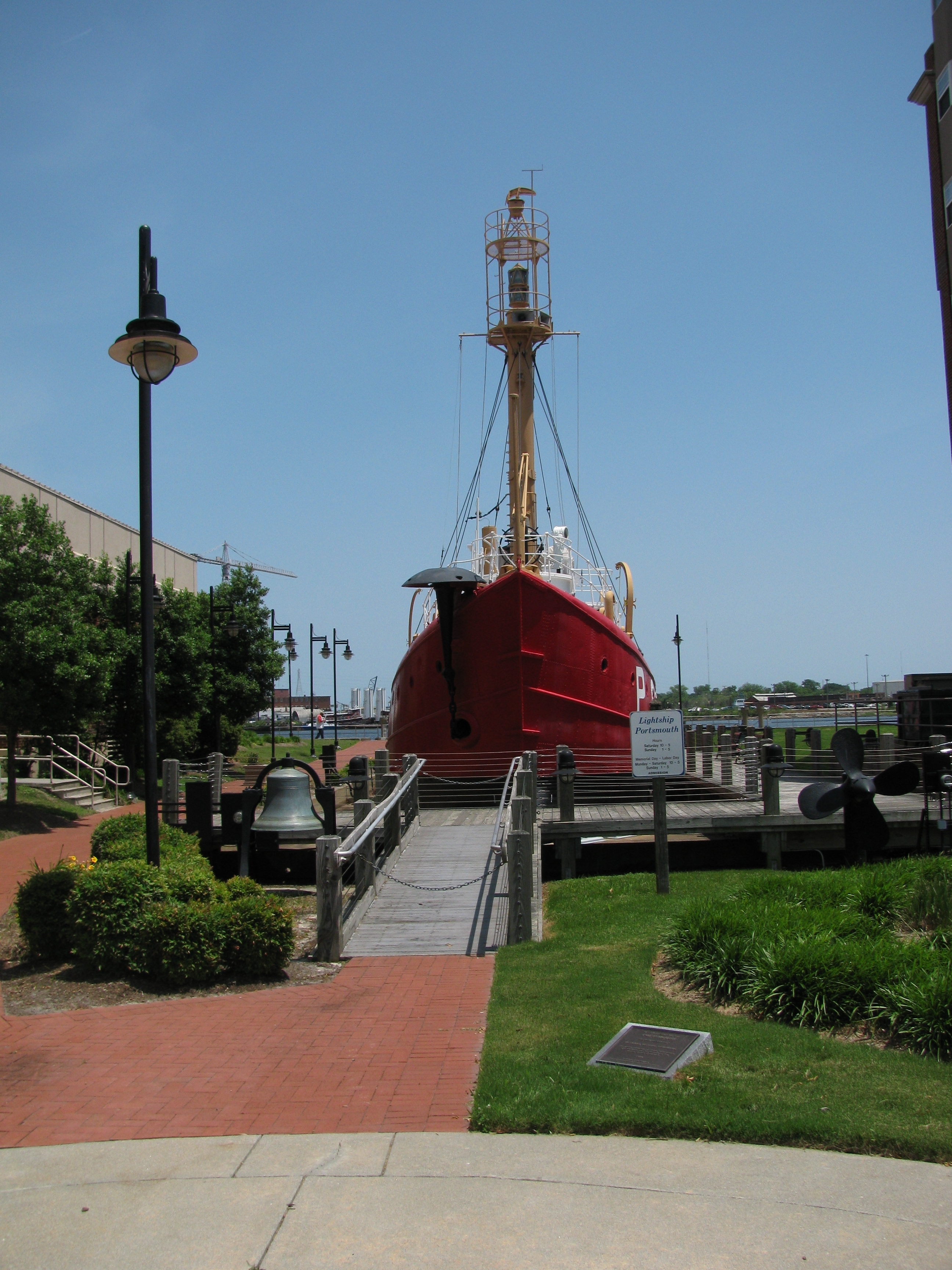
U.S. Lightship 101, also known as the 'Relief,' stands as a significant maritime artifact representing a vital era in American navigational history. Commissioned and built in 1916 by the Pusey and Jones Corporation in Wilmington, Delaware, this vessel served as a floating lighthouse, positioned in hazardous waters where the construction of a permanent, stationary lighthouse was geographically or economically unfeasible. Lightships were essential to maritime safety, acting as both visual beacons and auditory warning systems through the use of foghorns and radio signals.
Visitors to this historic vessel can explore the specialized engineering required to maintain a light station at sea for extended periods. As one of the few remaining examples of its class, the ship offers a unique window into the lives of the crews who manned these isolated outposts, often enduring harsh conditions to guide merchant and naval vessels away from shoals and reefs. For those seeking unique trip ideas, touring the Lightship 101 provides a tangible connection to the technological evolution of maritime safety. The vessel is meticulously preserved, allowing guests to observe the original construction techniques and the specialized equipment that defined its service. Whether you are a maritime enthusiast or simply looking for memorable local attractions, the U.S. Lightship 101 serves as a poignant reminder of the ingenuity and resilience required to master the coastal waters of the United States.
General information
U.S. Lightship 101, also known as the 'Relief,' stands as a significant maritime artifact representing a vital era in American navigational history. Commissioned and built in 1916 by the Pusey and Jones Corporation in Wilmington, Delaware, this vessel served as a floating lighthouse, positioned in hazardous waters where the construction of a permanent, stationary lighthouse was geographically or economically unfeasible. Lightships were essential to maritime safety, acting as both visual beacons and auditory warning systems through the use of foghorns and radio signals.
Visitors to this historic vessel can explore the specialized engineering required to maintain a light station at sea for extended periods. As one of the few remaining examples of its class, the ship offers a unique window into the lives of the crews who manned these isolated outposts, often enduring harsh conditions to guide merchant and naval vessels away from shoals and reefs. For those seeking unique trip ideas, touring the Lightship 101 provides a tangible connection to the technological evolution of maritime safety. The vessel is meticulously preserved, allowing guests to observe the original construction techniques and the specialized equipment that defined its service. Whether you are a maritime enthusiast or simply looking for memorable local attractions, the U.S. Lightship 101 serves as a poignant reminder of the ingenuity and resilience required to master the coastal waters of the United States.
Did you know
- U.S. Lightship 101 was officially designated as 'Relief' because it was designed to rotate between different stations to cover for other lightships undergoing repairs.
- The ship was built with a hull of steel and was powered by steam, a common configuration for lightships of the early 20th century.
- Lightships were essentially floating lighthouses that provided essential navigation signals in areas where traditional lighthouses could not be built.
History
Constructed in 1916 by the Pusey and Jones Corporation, U.S. Lightship 101 was specifically designed to serve the United States Lighthouse Service. Throughout its operational life, the vessel functioned as a 'relief' ship, meaning it did not have a permanent station. Instead, it was deployed to various locations along the coast to replace other lightships that were pulled for maintenance or repairs. This required the vessel to be highly versatile and durable, capable of maintaining station in various sea conditions. After its decommissioning, the ship was preserved to honor the history of the U.S. Lighthouse Service and the critical role lightship crews played in ensuring maritime safety before the widespread adoption of automated electronic navigational aids.
Cultural significance
The U.S. Lightship 101 represents a bygone era of maritime heritage that is often overlooked in modern navigation. Culturally, the lightship symbolizes the isolation and dedication of the 'lightship sailors' who lived aboard these vessels for weeks at a time. These individuals were responsible for the constant maintenance of the light, the fog signal, and the ship itself, often amidst violent storms. By preserving the Lightship 101, society acknowledges the human element of maritime safety—the reliance on human vigilance and manual operation before the advent of GPS and modern automated radar systems. It serves as an educational bridge between the early 20th-century maritime industry and contemporary nautical technology.
Geography and landscape
The physical setting of U.S. Lightship 101 is defined by its maritime context. Historically, the vessel operated in deep-water channels and near treacherous shoals, far removed from the safety of the harbor. Today, as a preserved museum vessel, it sits in a protected harbor or dockside setting, providing visitors with a stable platform to examine its exterior and interior structure. The landscape is characterized by the juxtaposition of the historic iron-hulled vessel against modern waterfront infrastructure. This environment allows for the preservation of the ship's hull while providing visitors with an accessible vantage point to appreciate the scale and engineering complexity of a vessel designed to withstand the open ocean.
More facts
- Imported from OSM batch
Visitor links
Nearby attractions
- Trinity Episcopal Church 483 m
- Commodore Theatre 522 m