Titora hill
Modi'in-Maccabim-Re'ut, IL
- Location
- Modi'in-Maccabim-Re'ut, IL
- Category
- heritage historic sites
- Coordinates
- 31.902281, 35.017808
- Best time
- Morning or early afternoon
- Weather tip
- Check the local forecast before visiting.
Overview
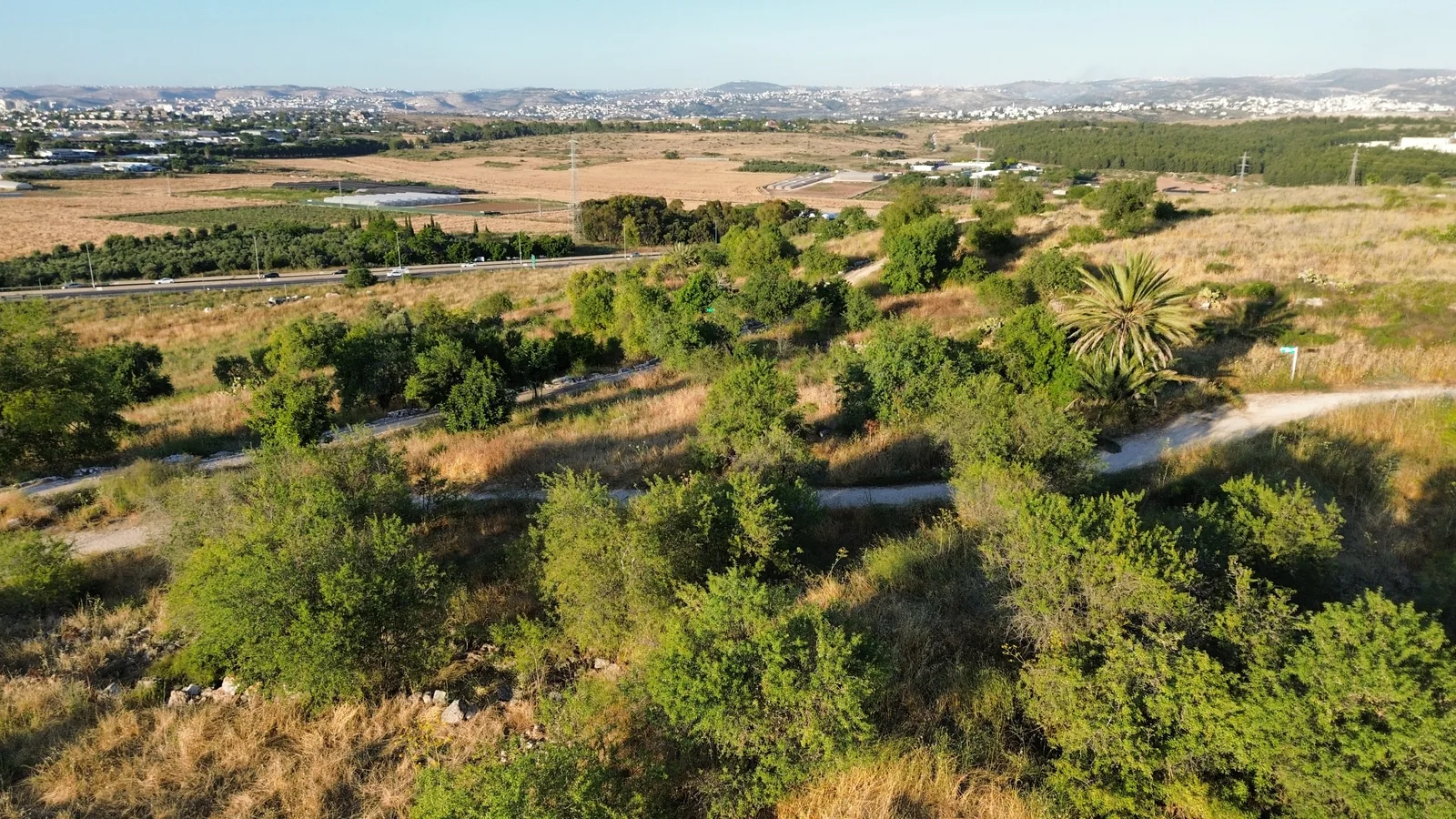
Titora Hill, located in the city of Modi'in-Maccabim-Re'ut, serves as a significant archaeological and natural landmark. Rising above the modern urban landscape, the hill offers visitors a unique window into the region's ancient past, featuring visible remnants of agricultural terraces, wine presses, and burial caves that date back to various historical periods. As one of the most prominent places to visit in the city, the site provides a blend of heritage exploration and panoramic views of the surrounding Shfela region. Visitors can expect a moderately rugged terrain, with well-marked trails that wind through Mediterranean scrubland and historical ruins. The hill is a popular destination for those interested in combining physical activity with historical discovery. It is often cited as one of the essential attractions in the area for residents and tourists alike, offering a peaceful retreat from the bustling city below. Whether you are interested in archaeology, botany, or simply enjoying a scenic hike, Titora Hill provides a rich context for understanding the long-standing human presence in this part of Israel. The site is best experienced during the morning or early afternoon, though it is always recommended to check the local forecast before visiting to ensure optimal conditions for your trek.
General information
Titora Hill, located in the city of Modi'in-Maccabim-Re'ut, serves as a significant archaeological and natural landmark. Rising above the modern urban landscape, the hill offers visitors a unique window into the region's ancient past, featuring visible remnants of agricultural terraces, wine presses, and burial caves that date back to various historical periods. As one of the most prominent places to visit in the city, the site provides a blend of heritage exploration and panoramic views of the surrounding Shfela region. Visitors can expect a moderately rugged terrain, with well-marked trails that wind through Mediterranean scrubland and historical ruins. The hill is a popular destination for those interested in combining physical activity with historical discovery. It is often cited as one of the essential attractions in the area for residents and tourists alike, offering a peaceful retreat from the bustling city below. Whether you are interested in archaeology, botany, or simply enjoying a scenic hike, Titora Hill provides a rich context for understanding the long-standing human presence in this part of Israel. The site is best experienced during the morning or early afternoon, though it is always recommended to check the local forecast before visiting to ensure optimal conditions for your trek.
Did you know
- Titora Hill contains archaeological findings spanning from the Chalcolithic period through the Ottoman era.
- The hill features ancient wine presses carved directly into the bedrock, evidence of the region's historical viticulture.
- During the spring, the hill is covered in a diverse array of seasonal wildflowers native to the Judean foothills.
History
The history of Titora Hill is characterized by continuous human activity over several millennia. Archaeological surveys have identified evidence of occupation beginning as early as the Chalcolithic period. Throughout the Iron Age, the Persian, Hellenistic, Roman, and Byzantine periods, the site served as an agricultural hub. The presence of numerous cisterns, burial caves, and agricultural installations—such as wine and olive presses—indicates a sophisticated level of land management. During the Byzantine period, the site saw significant development, with remnants of structures suggesting a permanent settlement. The hill remained in use through the Middle Ages and into the Ottoman period, serving as a testament to the enduring strategic and agricultural value of this elevated terrain in the Modi'in region.
Cultural significance
Titora Hill holds deep cultural significance as a preserved open space that bridges the gap between modern urban development and the ancient heritage of the Maccabees. For the residents of Modi'in, the hill acts as a 'green lung' and a living museum. It is a focal point for communal identity, representing the historical continuity of the Jewish presence in the area. The site is frequently utilized for educational tours and local heritage initiatives, allowing visitors to connect with the landscape that shaped the history of the region. Its preservation ensures that the historical narrative of the Modi'in foothills remains accessible to future generations, emphasizing the importance of heritage conservation within a rapidly growing urban environment.
Geography and landscape
Titora Hill is a prominent topographic feature situated within the city limits of Modi'in-Maccabim-Re'ut. It is characterized by its elevated position, which provides a strategic vantage point overlooking the surrounding Judean foothills and the coastal plain. The terrain is composed primarily of limestone, which has been modified over centuries by human agricultural activity, resulting in a series of terraces and carved installations. The landscape is dominated by Mediterranean scrubland (batha), featuring hardy shrubs and seasonal flora that bloom in late winter and spring. The site is surrounded by modern residential neighborhoods, creating a stark but harmonious contrast between the ancient, rugged hill and the contemporary urban planning of the city.
More facts
- Imported from OSM batch
Visitor links
Nearby attractions
- Hasmonean Heritage Museum Modi'in-Maccabim-Re'ut - 1264 m
- Anava Park Modi'in-Maccabim-Re'ut - 1444 m
- Barfilya Modi'in-Maccabim-Re'ut - 2804 m
- Um el Umdan Modi'in-Maccabim-Re'ut - 2854 m
- The Medical Corps Memorial Modi'in-Maccabim-Re'ut - 2951 m
- Khirbet Badd 'Isa Modi'in-Maccabim-Re'ut - 3566 m
- Modiin Modi'in-Maccabim-Re'ut - 3670 m
- Khirbet Jifna Modi'in-Maccabim-Re'ut - 3791 m