The Wakerobin
US
- Location
- US
- Category
- heritage historic sites
- Coordinates
- 38.790425, -84.131798
- Best time
- Morning or early afternoon
- Weather tip
- Check the local forecast before visiting.
Overview
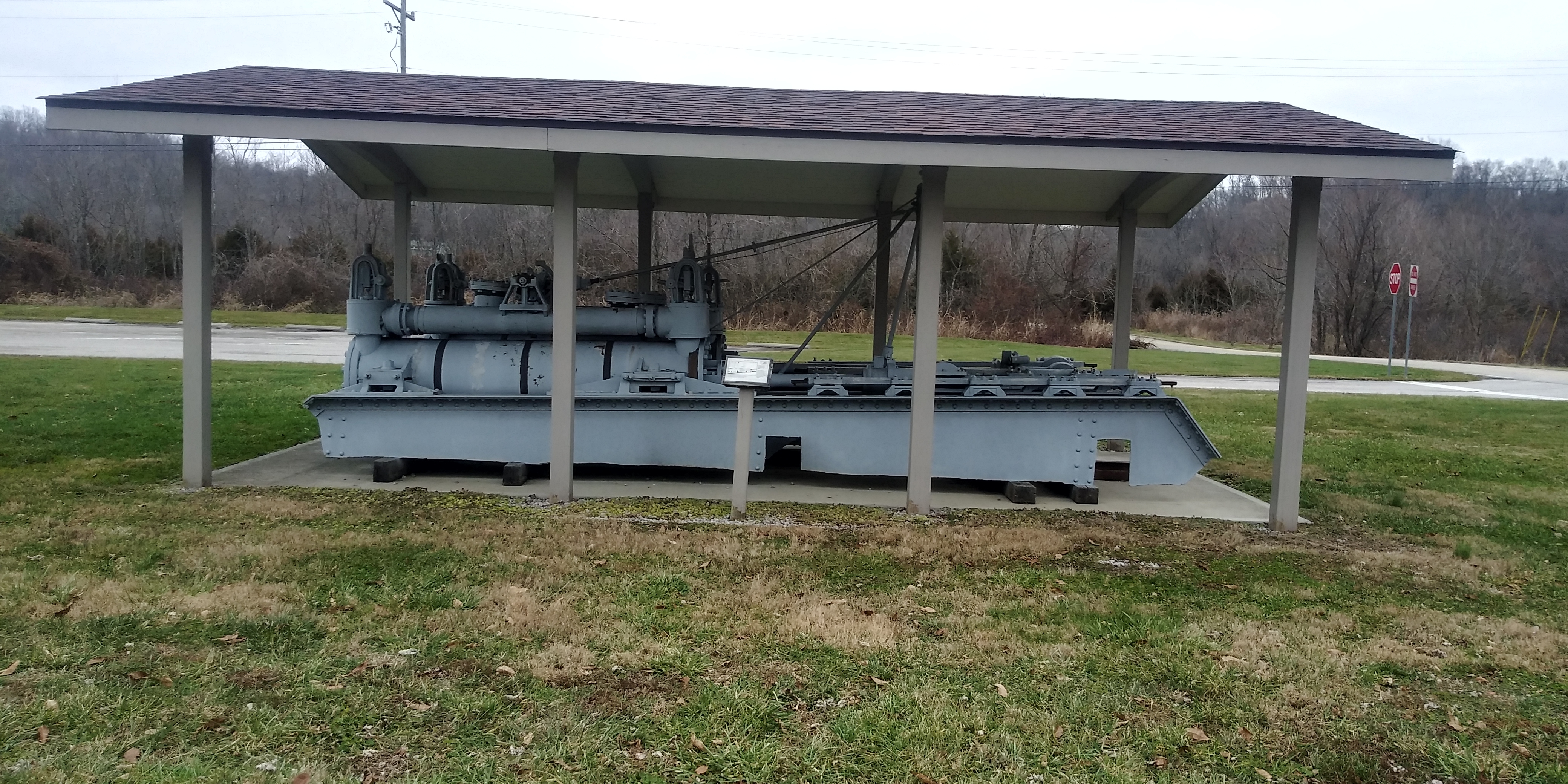
The Wakerobin exhibit features the preserved steam engines salvaged from the former U.S. Coast Guard Cutter Wakerobin. This historic vessel, commissioned for the U.S. Lighthouse Service and later integrated into the Coast Guard fleet, served a critical role in maintaining the integrity of maritime navigational aids. For maritime history enthusiasts and engineering buffs, this site offers a rare, tangible look at the propulsion technology that powered early 20th-century coastal service vessels. Visitors can examine the intricate mechanical components of these steam engines, which represent a pivotal era in naval architecture. As you plan your itinerary, these engines serve as an excellent focal point for those interested in industrial heritage. When considering what to do in the area, this exhibit provides a unique opportunity to connect with the mechanical history of the U.S. Coast Guard. While the vessel itself is no longer in commission, the preservation of its power plant allows for a detailed study of historical marine engineering. The site is best enjoyed during the morning or early afternoon when natural lighting highlights the technical details of the machinery. As with any visit to a historical site, it is recommended to check the local forecast before visiting to ensure a comfortable experience. This exhibit remains a significant landmark for understanding the evolution of maritime service vessels in the United States.
General information
The Wakerobin exhibit features the preserved steam engines salvaged from the former U.S. Coast Guard Cutter Wakerobin. This historic vessel, commissioned for the U.S. Lighthouse Service and later integrated into the Coast Guard fleet, served a critical role in maintaining the integrity of maritime navigational aids. For maritime history enthusiasts and engineering buffs, this site offers a rare, tangible look at the propulsion technology that powered early 20th-century coastal service vessels. Visitors can examine the intricate mechanical components of these steam engines, which represent a pivotal era in naval architecture. As you plan your itinerary, these engines serve as an excellent focal point for those interested in industrial heritage. When considering what to do in the area, this exhibit provides a unique opportunity to connect with the mechanical history of the U.S. Coast Guard. While the vessel itself is no longer in commission, the preservation of its power plant allows for a detailed study of historical marine engineering. The site is best enjoyed during the morning or early afternoon when natural lighting highlights the technical details of the machinery. As with any visit to a historical site, it is recommended to check the local forecast before visiting to ensure a comfortable experience. This exhibit remains a significant landmark for understanding the evolution of maritime service vessels in the United States.
Did you know
- The U.S. Coast Guard Cutter Wakerobin was originally built for the U.S. Lighthouse Service.
- The exhibit focuses specifically on the steam propulsion machinery salvaged from the vessel.
- The Wakerobin played a vital role in maintaining aids to navigation along the coast.
History
The U.S. Coast Guard Cutter Wakerobin was initially constructed for the U.S. Lighthouse Service, an agency responsible for the maintenance of lighthouses and lightships. Following the merger of the Lighthouse Service into the United States Coast Guard in 1939, the Wakerobin continued its essential work in coastal waters. The vessel was designed to handle the rigorous demands of servicing buoys and navigational markers. The steam engines currently on display serve as the primary artifacts of this period, representing the mechanical power required to navigate the Wakerobin through coastal environments during the early 20th century.
Cultural significance
The preservation of the Wakerobin’s steam engines is significant to the study of American maritime history and the evolution of the U.S. Coast Guard. These engines act as a physical record of the transition from early 20th-century steam power to more modern propulsion methods. By housing these components, the site honors the legacy of the crews who maintained the nation's maritime infrastructure, ensuring safe passage for commercial and naval vessels alike. It stands as a testament to the industrial ingenuity of the era.
Geography and landscape
The exhibit is situated in a setting designed to accommodate the display of large-scale industrial machinery. The physical environment is structured to allow visitors to view the steam engines from multiple angles, emphasizing their size and mechanical complexity. As the engines are historical artifacts salvaged from a maritime vessel, the surrounding space is typically curated to provide context for their original function within the hull of the Wakerobin. The site is generally accessible and intended for those interested in technical and maritime history.
More facts
- Imported from OSM batch
Visitor links
Nearby attractions
- Central Falmouth Historic District 21345 m
- Leslie T. Applegate House 21685 m
- Mincey Farm 29378 m