Tel Aviv Zoo
Tel Aviv, IL

- Location
- Tel Aviv, IL
- Category
- museums galleries
- Coordinates
- 32.0825, 34.7805
- Best time
- Morning or early afternoon
- Weather tip
- Check forecast before visiting; bring water in summer.
Overview
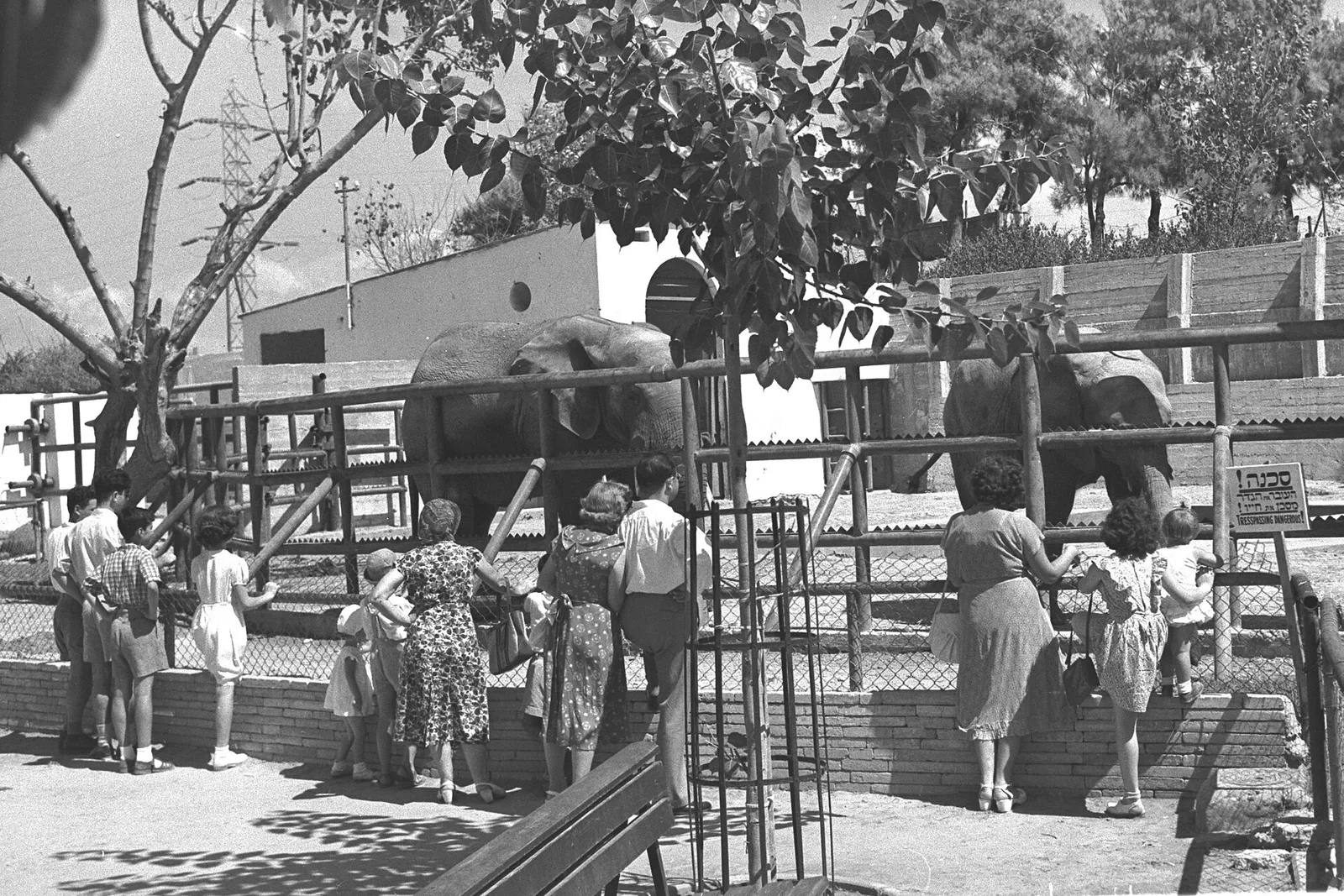
The Tel Aviv Zoo, historically known as the Tel Aviv Zoo and Botanical Garden, was a significant public institution that operated in the city from 1938 until its closure in 1980. Established by Rabbi Shneur Zalman Aronson, the zoo began as a small collection of animals housed in a backyard on Sheinkin Street before moving to its iconic location on Keren Kayemeth Boulevard. For over four decades, it served as a primary destination for families and researchers, housing a diverse collection of wildlife within the heart of the bustling urban landscape. While the site no longer functions as a zoo today, the legacy of this institution remains a foundational chapter in the development of Tel Aviv's public spaces. Visitors interested in the evolution of the city often find that exploring the history of such landmarks provides excellent trip ideas for understanding the urban growth of the 20th century. Today, the area is incorporated into the Gan HaIr complex, which stands as one of the notable attractions in the area, offering a modern perspective on a site that once bridged the gap between nature and the rapidly expanding metropolis of Tel Aviv.
General information
The Tel Aviv Zoo, historically known as the Tel Aviv Zoo and Botanical Garden, was a significant public institution that operated in the city from 1938 until its closure in 1980. Established by Rabbi Shneur Zalman Aronson, the zoo began as a small collection of animals housed in a backyard on Sheinkin Street before moving to its iconic location on Keren Kayemeth Boulevard. For over four decades, it served as a primary destination for families and researchers, housing a diverse collection of wildlife within the heart of the bustling urban landscape. While the site no longer functions as a zoo today, the legacy of this institution remains a foundational chapter in the development of Tel Aviv's public spaces. Visitors interested in the evolution of the city often find that exploring the history of such landmarks provides excellent trip ideas for understanding the urban growth of the 20th century. Today, the area is incorporated into the Gan HaIr complex, which stands as one of the notable attractions in the area, offering a modern perspective on a site that once bridged the gap between nature and the rapidly expanding metropolis of Tel Aviv.
Did you know
- The zoo was founded in 1938 by Rabbi Shneur Zalman Aronson.
- It originally started as a small private collection on Sheinkin Street.
- The zoo ceased operations in 1980, and the animals were relocated to the Safari in Ramat Gan.
- The site of the former zoo is now occupied by the Gan HaIr shopping center and residential complex.
History
The Tel Aviv Zoo was established in 1938. Its founder, Rabbi Shneur Zalman Aronson, initially kept animals in his private residence on Sheinkin Street. Due to public interest and the growing collection, the zoo was relocated to a larger site on Keren Kayemeth Boulevard (now Ben Gurion Boulevard). Throughout the mid-20th century, it served as the primary zoological institution for the city. By the late 1970s, the facility faced challenges regarding space and modern animal welfare standards. In 1980, the zoo was officially closed, and its animal collection was transferred to the Zoological Center Tel Aviv-Ramat Gan, commonly known as the Safari. The original land was subsequently redeveloped into the Gan HaIr urban complex.
Cultural significance
For generations of Tel Aviv residents, the zoo was a central cultural landmark. It functioned as a primary educational resource and a popular weekend destination, playing a crucial role in the social fabric of the city during its formative years. The zoo provided a rare opportunity for urban dwellers to engage with wildlife, fostering an early appreciation for natural history and conservation. Its closure marked a transition in the city's approach to public leisure and urban development, shifting from an inner-city animal display to the larger, more expansive safari model found in the neighboring city of Ramat Gan today.
Geography and landscape
The former zoo was situated in the heart of Tel Aviv, occupying a central plot near Keren Kayemeth Boulevard. This location was characterized by its dense urban surroundings, typical of the city's residential and commercial growth during the 1940s and 50s. The site was strategically placed to be accessible to the city's population. Following the closure of the zoo, the landscape was transformed into the Gan HaIr complex, which features a mix of high-end residential apartments, a shopping mall, and public open spaces. The terrain is flat, consistent with the coastal plain geography of the Tel Aviv metropolitan area.
More facts
- Sourced from Wikidata (Q7695556)
Visitor links
Nearby attractions
- Holocaust Memorial Tel-Aviv - 253 m
- Beyt Haomanim, Tel Aviv-Yafo Tel-Aviv - 298 m
- Givon Art Gallery Tel Aviv - 758 m
- Lola Beer Ebner Sculpture Garden Tel-Aviv - 773 m
- Ha'Kibbutz Israeli Art Gallery Tel Aviv - 775 m
- Tel Aviv Museum of Art Tel-Aviv - 804 m
- N&N Aman Gallery Tel Aviv - 817 m
- Herta and Paul Amir Building Tel Aviv - 823 m