St Blaise's well
GB
- Location
- GB
- Category
- iconic bucket list
- Coordinates
- 51.4038593, 0.0226593
- Best time
- Morning or early afternoon
- Weather tip
- Check the local forecast before visiting.
Overview
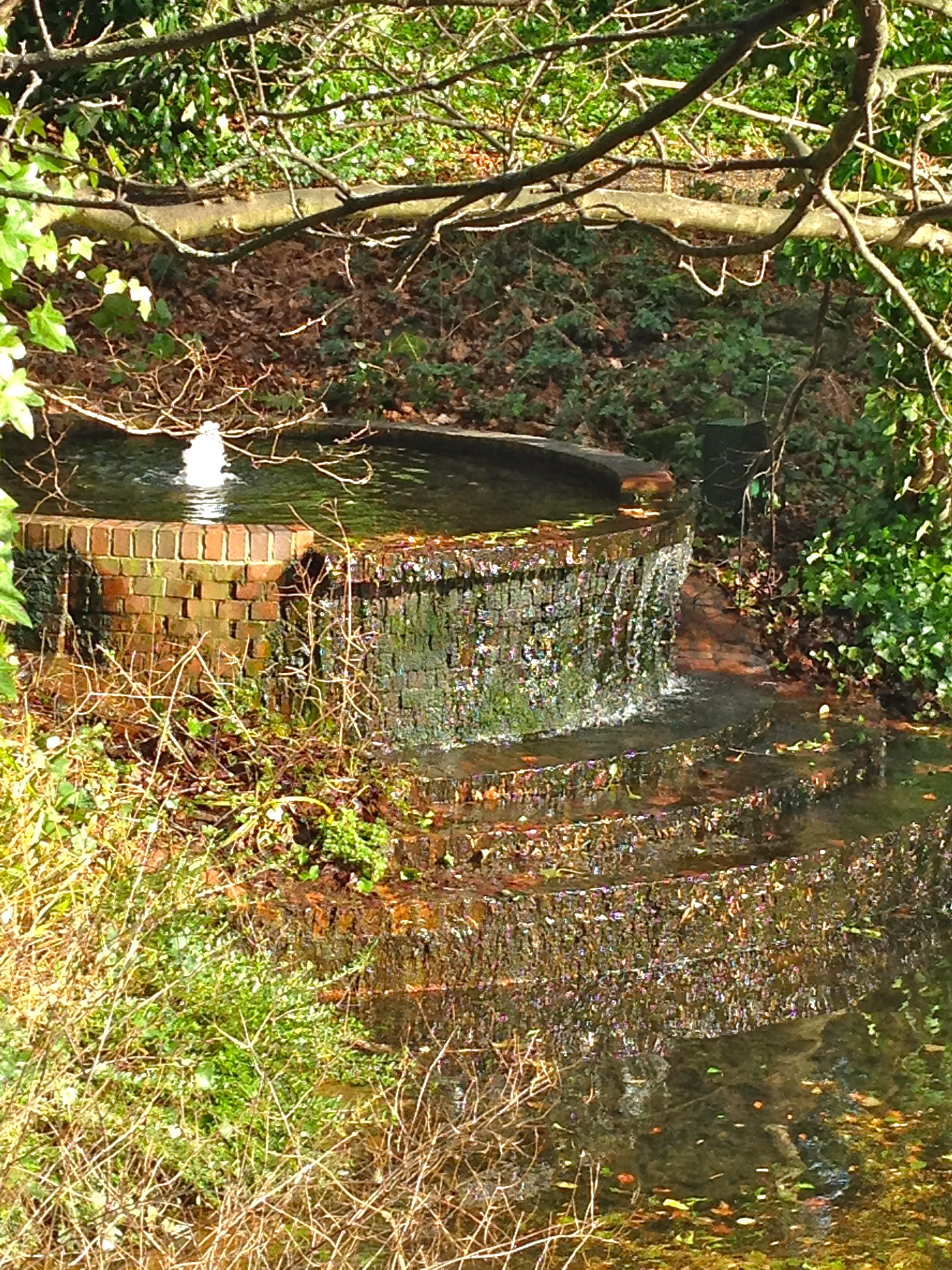
St Blaise's Well is a quiet, contemplative historical site in the United Kingdom, defined by a simple fountain set within a circular brickwork pond. This modest structure serves as a physical marker for a site of significant local heritage, offering visitors a glimpse into the ecclesiastical history of the region. While the site today is unassuming, it remains a point of interest for those seeking to explore the hidden remnants of the past. Visitors to the well can examine an informative display board that provides a visual reconstruction of the original architectural features, specifically a pillared canopy that once sheltered the fountain. This structure was tragically lost during a severe snowstorm in the 1880s, marking a definitive shift in the site’s appearance. For those planning trip ideas in the area, St Blaise's Well offers a moment of reflection and a chance to engage with tangible history. It is an ideal spot for a short visit, particularly during the morning or early afternoon when the light best illuminates the brickwork. As you consider what to do in the area, this site provides a unique opportunity to appreciate how environmental events have shaped the preservation of local landmarks over the last two centuries. Please ensure you check the local weather forecast before planning your visit to ensure the best experience at this outdoor location.
General information
St Blaise's Well is a quiet, contemplative historical site in the United Kingdom, defined by a simple fountain set within a circular brickwork pond. This modest structure serves as a physical marker for a site of significant local heritage, offering visitors a glimpse into the ecclesiastical history of the region. While the site today is unassuming, it remains a point of interest for those seeking to explore the hidden remnants of the past. Visitors to the well can examine an informative display board that provides a visual reconstruction of the original architectural features, specifically a pillared canopy that once sheltered the fountain. This structure was tragically lost during a severe snowstorm in the 1880s, marking a definitive shift in the site’s appearance. For those planning trip ideas in the area, St Blaise's Well offers a moment of reflection and a chance to engage with tangible history. It is an ideal spot for a short visit, particularly during the morning or early afternoon when the light best illuminates the brickwork. As you consider what to do in the area, this site provides a unique opportunity to appreciate how environmental events have shaped the preservation of local landmarks over the last two centuries. Please ensure you check the local weather forecast before planning your visit to ensure the best experience at this outdoor location.
Did you know
- The site originally featured an elaborate pillared canopy.
- The original roof structure was destroyed by a severe snowstorm in the 1880s.
- The well is currently marked by a circular brickwork pond and a fountain.
History
The history of St Blaise's Well is tied to its former architectural grandeur, which stood until the late 19th century. Historical records and the on-site information board indicate that the well was once protected by a pillared canopy. This structure was a significant feature of the site until it was destroyed during a heavy snowstorm in the 1880s. Following the collapse, the site was transitioned into its current, more minimalist form, consisting of the circular brickwork pond and fountain that remain today. The site serves as a reminder of the physical impact that extreme weather events can have on historical structures over time.
Cultural significance
St Blaise's Well holds significance as a site of local ecclesiastical memory. Named after Saint Blaise, a figure often associated with the protection of throats and the blessing of animals in Christian tradition, the well represents a tradition of venerating water sources. While the original architectural canopy is gone, the site continues to be maintained as a place of historical interest, allowing the community and visitors to connect with the religious and social history of the locale. It stands as a modest but meaningful testament to the preservation of local heritage in the United Kingdom.
Geography and landscape
The well is situated in a quiet, accessible outdoor setting, characterized by its circular brickwork pond. The landscape is largely defined by the immediate area surrounding the fountain, which provides a sense of enclosure and historical focus. The site is open to the elements, making its condition and the experience of visiting it highly dependent on the local climate. The surrounding terrain is generally flat, allowing for easy pedestrian access to the information board and the water feature itself. It is a tranquil spot that reflects the rural or semi-rural character of its surroundings.
More facts
- Imported from OSM batch
Visitor links
Nearby attractions
- Lord of the Manor's Folly 213 m
- Chislehurst Caves London - 2456 m
- Bethlem Museum of the Mind London - 2599 m