Sattelberghaus
IT
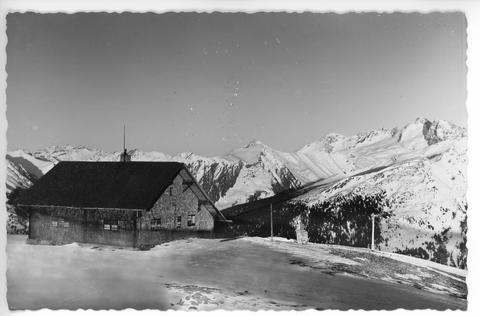
- Location
- IT
- Category
- heritage historic sites
- Coordinates
- 47.011089, 11.479522
- Best time
- Morning or early afternoon
- Weather tip
- Check the local forecast before visiting.
Overview
The Sattelberghaus is a historic mountain refuge situated in the Italian Alps. Following the conclusion of the Second World War in 1945, the structure was repurposed as a 'Naturfreunde-Schutzhaus,' or Friends of Nature shelter, serving as a vital waypoint for hikers and mountaineers traversing the high-altitude trails. Historically, these shelters were established to provide accessible lodging and safety for those exploring the rugged alpine terrain, reflecting a broader European movement aimed at fostering a deeper connection between the public and the natural environment. Today, visitors typically head to the Sattelberghaus to experience the serene alpine atmosphere and to enjoy panoramic views of the surrounding peaks. It serves as an essential stop for those looking for places to visit while exploring the high-altitude trails of the region. Whether you are an experienced climber or a casual hiker seeking a scenic resting point, the site offers a glimpse into the mid-20th-century tradition of mountain hospitality. When planning your route, it is recommended to visit during the morning or early afternoon to ensure optimal lighting and weather conditions. As with all alpine destinations, visitors should prioritize safety by checking the local forecast before visiting, as conditions in the mountains can change rapidly. The site remains a testament to the enduring appeal of the Italian wilderness and the historical efforts to make the mountains accessible to all.
General information
The Sattelberghaus is a historic mountain refuge situated in the Italian Alps. Following the conclusion of the Second World War in 1945, the structure was repurposed as a 'Naturfreunde-Schutzhaus,' or Friends of Nature shelter, serving as a vital waypoint for hikers and mountaineers traversing the high-altitude trails. Historically, these shelters were established to provide accessible lodging and safety for those exploring the rugged alpine terrain, reflecting a broader European movement aimed at fostering a deeper connection between the public and the natural environment. Today, visitors typically head to the Sattelberghaus to experience the serene alpine atmosphere and to enjoy panoramic views of the surrounding peaks. It serves as an essential stop for those looking for places to visit while exploring the high-altitude trails of the region. Whether you are an experienced climber or a casual hiker seeking a scenic resting point, the site offers a glimpse into the mid-20th-century tradition of mountain hospitality. When planning your route, it is recommended to visit during the morning or early afternoon to ensure optimal lighting and weather conditions. As with all alpine destinations, visitors should prioritize safety by checking the local forecast before visiting, as conditions in the mountains can change rapidly. The site remains a testament to the enduring appeal of the Italian wilderness and the historical efforts to make the mountains accessible to all.
Did you know
- The Sattelberghaus was officially designated as a Naturfreunde-Schutzhaus after 1945.
- The site is designed to serve as a refuge for mountain travelers in the Italian Alps.
- It represents the mid-20th-century European movement to promote public access to wilderness areas.
History
Following the end of World War II in 1945, the Sattelberghaus was transitioned into its role as a Naturfreunde-Schutzhaus. The 'Naturfreunde' (Friends of Nature) organization, which originated in Vienna in 1895, focused on providing working-class people with access to the mountains. By repurposing the structure in the post-war era, the site became part of a network of shelters designed to facilitate safe passage and overnight stays for mountaineers. This transition reflects the post-war emphasis on outdoor recreation and the preservation of alpine routes that had previously been restricted or utilized primarily for strategic purposes during the conflict.
Cultural significance
The cultural significance of the Sattelberghaus lies in its association with the Naturfreunde movement, which championed the democratization of alpine exploration. By serving as a sanctuary for hikers, the refuge embodies the mid-century European ethos of environmental stewardship and social accessibility. It stands as a reminder of the historical importance of mountain huts not merely as shelters, but as hubs for a community of outdoor enthusiasts who valued the physical and psychological benefits of the alpine landscape. It remains a symbolic site for those who appreciate the intersection of mountaineering history and the preservation of natural heritage.
Geography and landscape
The Sattelberghaus is located within the rugged, high-altitude environment of the Italian Alps. The landscape is characterized by dramatic peaks, steep slopes, and alpine meadows that support a variety of mountain flora. The terrain is typical of high-elevation regions, requiring careful navigation and preparation. The surrounding area offers expansive vistas of the alpine chain, providing a vantage point for observing the geological complexity of the region. Being situated in such an environment, the shelter is subject to the unpredictable weather patterns inherent to high mountain altitudes, which define the daily experience of the landscape.
More facts
- Imported from OSM batch
Visitor links
Nearby attractions
- Border stone Italy/Austria 2068 m