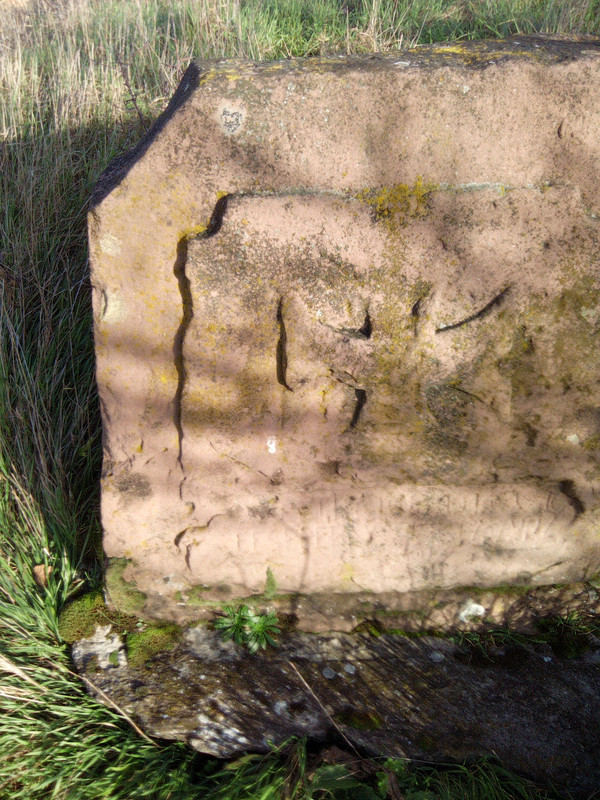
Sandsteinplatte aus dem Ersten Weltkrieg
DE
- Location
- DE
- Category
- iconic bucket list
- Coordinates
- 49.7944682, 8.2041492
- Best time
- Morning or early afternoon
- Weather tip
- Check the local forecast before visiting.
Overview
The Sandsteinplatte (Sandstone Slab) from the First World War, located on the Petersberg, serves as a poignant historical marker within the broader landscape of the Saar-Rhein-Main long-distance hiking trail. This site attracts history enthusiasts and hikers who utilize the trail, which is marked by the distinctive 'Yellow Cross' symbol. Since 2009, the area has gained additional prominence as part of the alternative route of the Rhenish Way of St. James (Rheinhessischer Jakobsweg), connecting Bingen to Worms. Visitors to the Petersberg can expect a blend of natural beauty and historical reflection, making it one of the most significant places to visit for those interested in the regional heritage of the Rhineland-Palatinate area. Whether you are an avid hiker looking for challenging routes or a history buff exploring the remnants of the early 20th century, the site offers a unique perspective on the intersection of pilgrimage paths and military history. As you traverse the trails, you will find that the Petersberg provides excellent vantage points, serving as a quiet testament to the past. For those planning their journey, discovering this site is a highlight among local attractions, offering a peaceful atmosphere perfect for an early afternoon excursion. Please ensure you check the local weather forecast before visiting, as the terrain is best experienced under clear conditions.
General information
The Sandsteinplatte (Sandstone Slab) from the First World War, located on the Petersberg, serves as a poignant historical marker within the broader landscape of the Saar-Rhein-Main long-distance hiking trail. This site attracts history enthusiasts and hikers who utilize the trail, which is marked by the distinctive 'Yellow Cross' symbol. Since 2009, the area has gained additional prominence as part of the alternative route of the Rhenish Way of St. James (Rheinhessischer Jakobsweg), connecting Bingen to Worms. Visitors to the Petersberg can expect a blend of natural beauty and historical reflection, making it one of the most significant places to visit for those interested in the regional heritage of the Rhineland-Palatinate area. Whether you are an avid hiker looking for challenging routes or a history buff exploring the remnants of the early 20th century, the site offers a unique perspective on the intersection of pilgrimage paths and military history. As you traverse the trails, you will find that the Petersberg provides excellent vantage points, serving as a quiet testament to the past. For those planning their journey, discovering this site is a highlight among local attractions, offering a peaceful atmosphere perfect for an early afternoon excursion. Please ensure you check the local weather forecast before visiting, as the terrain is best experienced under clear conditions.
Did you know
- The Petersberg is a key junction for both the Saar-Rhein-Main long-distance trail and the Rhenish Way of St. James.
- The site features a specific sandstone slab dating back to the First World War.
- The trail crossing the Petersberg is marked by a 'Yellow Cross' symbol.
History
The Sandsteinplatte serves as a physical record of the First World War era. While specific archival details regarding the exact commissioning or original placement of the slab remain limited, its presence on the Petersberg documents the intersection of local geography with the broader mobilization and commemorative efforts of the early 20th century. The site has transitioned from a place of historical marking to a waypoint for modern pilgrims and long-distance hikers, integrating the somber legacy of the Great War into the contemporary network of European hiking paths.
Cultural significance
The Petersberg is culturally significant as a convergence point for two distinct types of movement: the secular, endurance-based activity of long-distance hiking (the Saar-Rhein-Main trail) and the spiritual, meditative journey of the Rhenish Way of St. James. The Sandsteinplatte acts as a bridge between these experiences, grounding the modern traveler in the historical reality of the region. It stands as a reminder that the landscapes we traverse for recreation were once shaped by the geopolitical conflicts of the past.
Geography and landscape
The Petersberg is situated within a region characterized by rolling hills and agricultural vistas typical of the Rhineland. The terrain is accessible via established hiking paths that navigate the elevation of the mountain, providing sweeping views of the surrounding countryside. The landscape is a mix of wooded sections and open trails, with the Sandsteinplatte situated as a point of interest along the crest. The area is largely rural, offering a quiet, open-air environment that is highly exposed to local weather patterns.
More facts
- Imported from OSM batch
Visitor links
Nearby attractions
- Langer Stein 7880 m
- Ruhkreuz 9885 m
- Das Zornheimer Ruhkreuz 9888 m
- Sühnekreuz 10192 m