Philadelphia History Museum
Philadelphia, US

- Location
- Philadelphia, US
- Category
- museums galleries
- Coordinates
- 39.950302, -75.15204
- Best time
- Morning or early afternoon
- Weather tip
- Check the local forecast before visiting.
Overview
The Philadelphia History Museum, formerly known as the Atwater Kent Museum, serves as a vital repository for the artifacts and narratives that define the City of Brotherly Love. Established to preserve the cultural and social history of Philadelphia, the institution houses an extensive collection spanning over three centuries. Visitors to this site can explore a diverse array of objects, ranging from colonial-era household items and industrial machinery to political memorabilia and significant works of art. The museum provides a comprehensive look at how Philadelphia evolved from a colonial settlement into a major American metropolis. For those seeking meaningful places to visit, the museum offers a deep dive into the city's complex identity, showcasing the people, industries, and social movements that shaped the region. While the museum has transitioned its operations to focus on digital accessibility and collection management, its legacy remains a cornerstone of local education. Visitors often pair a trip here with other historical landmarks in the city center, making it a staple for those curating trip ideas focused on American heritage. Whether you are a local resident or a traveler interested in urban history, the museum's vast holdings provide an evidence-based perspective on the American experience. Its mission continues to prioritize the stewardship of items that document the city's unique contribution to the national story, ensuring that the physical evidence of Philadelphia’s past remains protected for future generations to study and appreciate.
General information
The Philadelphia History Museum, formerly known as the Atwater Kent Museum, serves as a vital repository for the artifacts and narratives that define the City of Brotherly Love. Established to preserve the cultural and social history of Philadelphia, the institution houses an extensive collection spanning over three centuries. Visitors to this site can explore a diverse array of objects, ranging from colonial-era household items and industrial machinery to political memorabilia and significant works of art. The museum provides a comprehensive look at how Philadelphia evolved from a colonial settlement into a major American metropolis. For those seeking meaningful places to visit, the museum offers a deep dive into the city's complex identity, showcasing the people, industries, and social movements that shaped the region. While the museum has transitioned its operations to focus on digital accessibility and collection management, its legacy remains a cornerstone of local education. Visitors often pair a trip here with other historical landmarks in the city center, making it a staple for those curating trip ideas focused on American heritage. Whether you are a local resident or a traveler interested in urban history, the museum's vast holdings provide an evidence-based perspective on the American experience. Its mission continues to prioritize the stewardship of items that document the city's unique contribution to the national story, ensuring that the physical evidence of Philadelphia’s past remains protected for future generations to study and appreciate.
Did you know
- The museum was originally founded in 1938 by radio pioneer A. Atwater Kent.
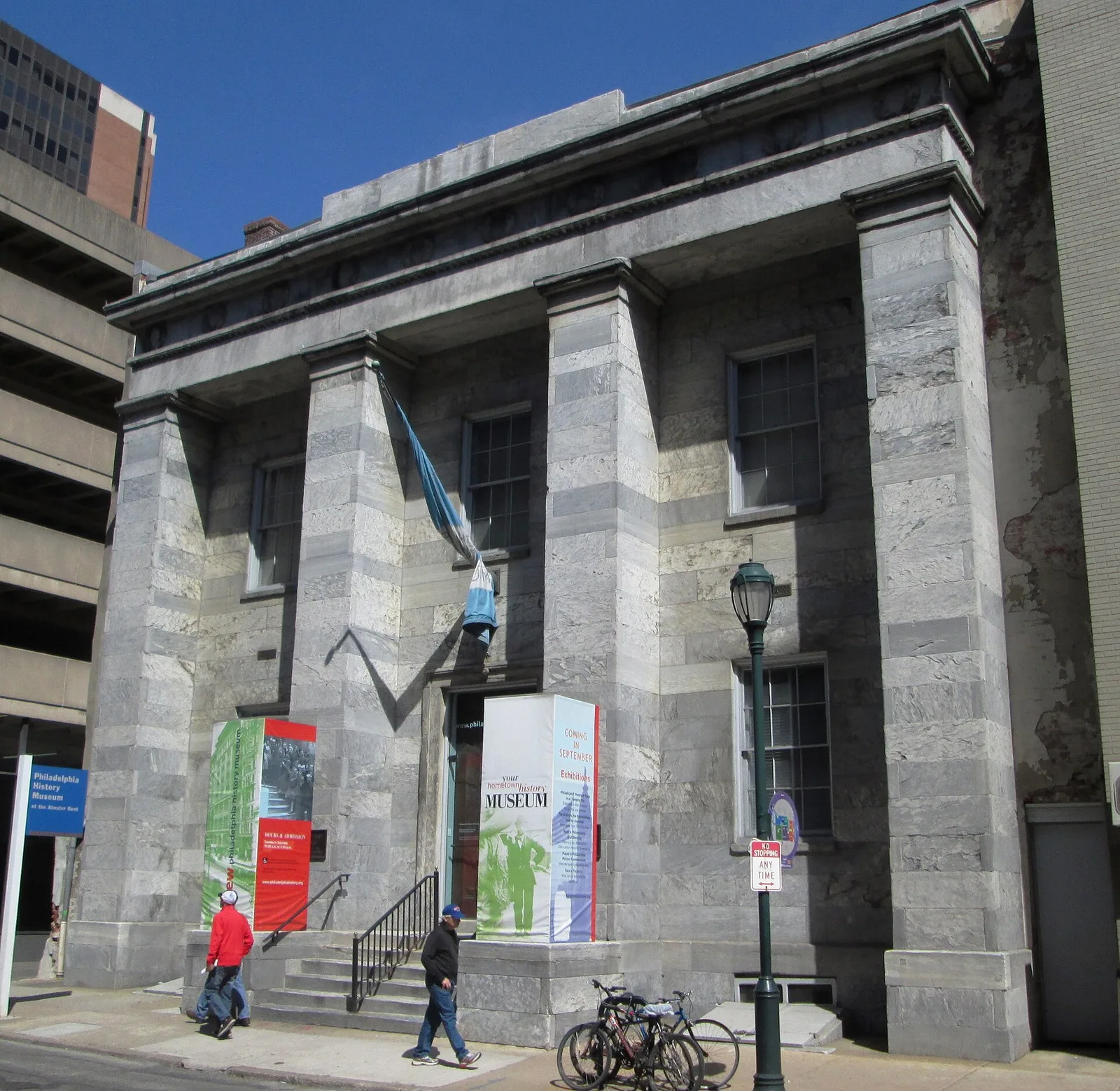
- The building that housed the museum was designed by architect John Haviland and originally served as the Franklin Institute.
- The collection contains over 100,000 objects reflecting the city's history from 1682 to the present.
History
The Philadelphia History Museum was established in 1938 by A. Atwater Kent, a prominent radio manufacturer and philanthropist. Kent purchased the historic building at 15 South 7th Street—which had served as the original home of the Franklin Institute—to house a collection dedicated to the history of Philadelphia. Over the decades, the museum grew to hold over 100,000 items, including the original chair used by George Washington during the Constitutional Convention. In 2018, the museum closed its physical doors to the public to undergo a significant transition, focusing on the digitization of its vast collection and the development of new ways to share Philadelphia’s history with the public through partnerships and online platforms.
Cultural significance
As the primary institution dedicated to the history of Philadelphia, the museum serves as a cultural anchor for the city. It preserves the material culture of Philadelphia's diverse population, documenting the shifts in industry, governance, and social life that have defined the city since its founding in 1682. By safeguarding items that range from the mundane—such as colonial kitchenware—to the monumental—such as political banners and civic records—the museum maintains the collective memory of the city. It acts as an essential reference point for researchers, educators, and the public, reinforcing the importance of local history in understanding the broader narrative of the United States.
Geography and landscape
The museum is located in the historic heart of Philadelphia, specifically within the Old City district. This area is characterized by its high concentration of 18th and 19th-century architecture, narrow cobblestone streets, and proximity to other major landmarks such as Independence Hall and the Liberty Bell. The building itself is a notable example of Greek Revival architecture, a style that became prominent in Philadelphia during the early 19th century. Positioned in a dense urban environment, the location reflects the city's long-standing role as a center for commerce and civic engagement, placing the museum at the intersection of Philadelphia's past and its modern development.
More facts
- Imported from OSM batch
- Imported from Wikidata
Visitor links
Nearby attractions
- Liberty Bell Philadelphia - 173 m
- Jewelers' Row Philadelphia - 206 m
- Independence Hall Philadelphia - 235 m
- Pennsylvania Bible Society Philadelphia - 258 m
- African American Museum in Philadelphia Philadelphia - 319 m
- Museum of Illusions Philadelphia Philadelphia - 340 m
- Tomb of the Unknown Revolutionary War Soldier Philadelphia - 360 m
- Athenaeum of Philadelphia Philadelphia - 405 m