Palazzo Chigi Albani
IT
- Location
- IT
- Category
- iconic bucket list
- Coordinates
- 42.419299, 12.232191
- Best time
- Morning or early afternoon
- Weather tip
- Check the local forecast before visiting.
- Opening hours
- Fr-Su 10:00-13:00,15:00-19:00
Overview
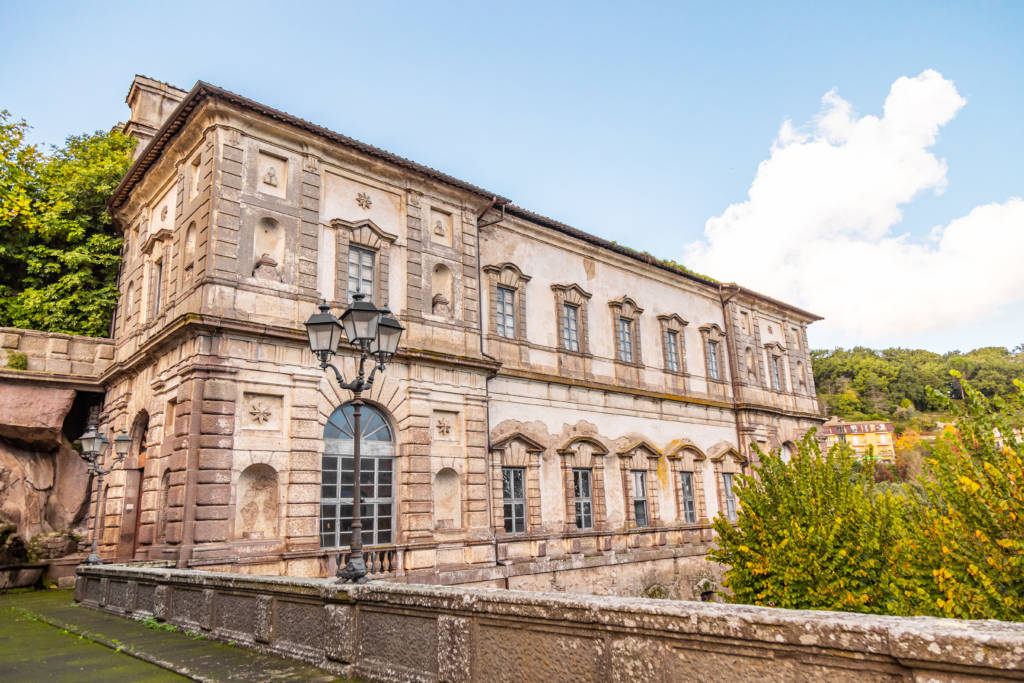
Palazzo Chigi Albani, located in the historic town of Soriano nel Cimino, stands as a significant architectural landmark reflecting the aristocratic evolution of the Lazio region. This imposing structure serves as a primary example of Renaissance and Baroque influence, having been commissioned and expanded by noble families who wielded considerable influence in the Papal States. Visitors to this site can explore the intricate design of its courtyard and the historical resonance of its grand halls, which offer a glimpse into the lifestyle of the Italian nobility between the 16th and 18th centuries. As one of the most prominent places to visit in the area, the palazzo is frequently sought out by those interested in the intersection of political power and artistic patronage. Guests can expect a well-preserved environment that showcases period-specific masonry, ornate frescoes, and strategic urban positioning overlooking the surrounding Cimini Mountains. While exploring the town, travelers often find that the palazzo serves as an ideal anchor for their itinerary, providing a rich context for the architectural heritage of the province. Whether you are planning a day trip or looking for unique trip ideas, the site offers an immersive experience into the historical fabric of central Italy. The structure remains a testament to the enduring legacy of the Chigi and Albani families, inviting visitors to appreciate the deliberate craftsmanship and historical weight embedded in its stone walls.
General information
Palazzo Chigi Albani, located in the historic town of Soriano nel Cimino, stands as a significant architectural landmark reflecting the aristocratic evolution of the Lazio region. This imposing structure serves as a primary example of Renaissance and Baroque influence, having been commissioned and expanded by noble families who wielded considerable influence in the Papal States. Visitors to this site can explore the intricate design of its courtyard and the historical resonance of its grand halls, which offer a glimpse into the lifestyle of the Italian nobility between the 16th and 18th centuries. As one of the most prominent places to visit in the area, the palazzo is frequently sought out by those interested in the intersection of political power and artistic patronage. Guests can expect a well-preserved environment that showcases period-specific masonry, ornate frescoes, and strategic urban positioning overlooking the surrounding Cimini Mountains. While exploring the town, travelers often find that the palazzo serves as an ideal anchor for their itinerary, providing a rich context for the architectural heritage of the province. Whether you are planning a day trip or looking for unique trip ideas, the site offers an immersive experience into the historical fabric of central Italy. The structure remains a testament to the enduring legacy of the Chigi and Albani families, inviting visitors to appreciate the deliberate craftsmanship and historical weight embedded in its stone walls.
Did you know
- The palazzo was significantly expanded by the Albani family in the 18th century, incorporating it into the urban fabric of Soriano nel Cimino.
- It features a distinctive courtyard that exemplifies the transition from Renaissance symmetry to Baroque decorative detail.
- The building is closely linked to the history of the Papal States, as several members of the owning families held high ecclesiastical positions.
History
The history of Palazzo Chigi Albani is deeply intertwined with the noble dynasties that governed Soriano nel Cimino. Originally dating back to the 16th century, the structure was commissioned to serve as a symbol of prestige and administrative power. Over the following centuries, the palazzo underwent extensive renovations, most notably during the 18th century when the Albani family took residence. This period saw the addition of elaborate architectural elements that reflect the changing tastes of the Italian aristocracy. The building has survived various shifts in regional power, remaining a focal point of the town’s historical development and a repository of the artistic and political history of the Lazio region.
Cultural significance
Palazzo Chigi Albani serves as a vital cultural monument, embodying the transition of power and aesthetic values in post-Renaissance Italy. It is not merely a residential structure but a historical document of the influence exerted by the Chigi and Albani families, both of whom were instrumental in the political and religious life of the Papal States. By preserving the spatial design and artistic decorations of its era, the palazzo allows contemporary observers to understand the social hierarchy and patronage systems that defined the Italian nobility. It remains a cornerstone of local heritage, fostering a connection between the modern community and its complex aristocratic past.
Geography and landscape
The palazzo is situated in the heart of Soriano nel Cimino, a town nestled within the volcanic landscape of the Cimini Mountains in the province of Viterbo. Its location is strategic, occupying a dominant position that overlooks the surrounding medieval layout of the town. The landscape is characterized by dense chestnut forests and rugged terrain typical of the Viterbo area. The building’s architecture is harmoniously integrated into the urban fabric, with its facade and courtyard serving as a transition point between the densely built historic center and the expansive, natural vistas of the surrounding volcanic hills.
More facts
- Imported from OSM batch
Visitor links
Nearby attractions
- Mola di Chia 5637 m
- Chiusa 5697 m
- Torre di Chia 5756 m
- Piramide Etrusca 7384 m
- Palazzo Orsini 8131 m