Oliver Wendell Holmes Memorial
US
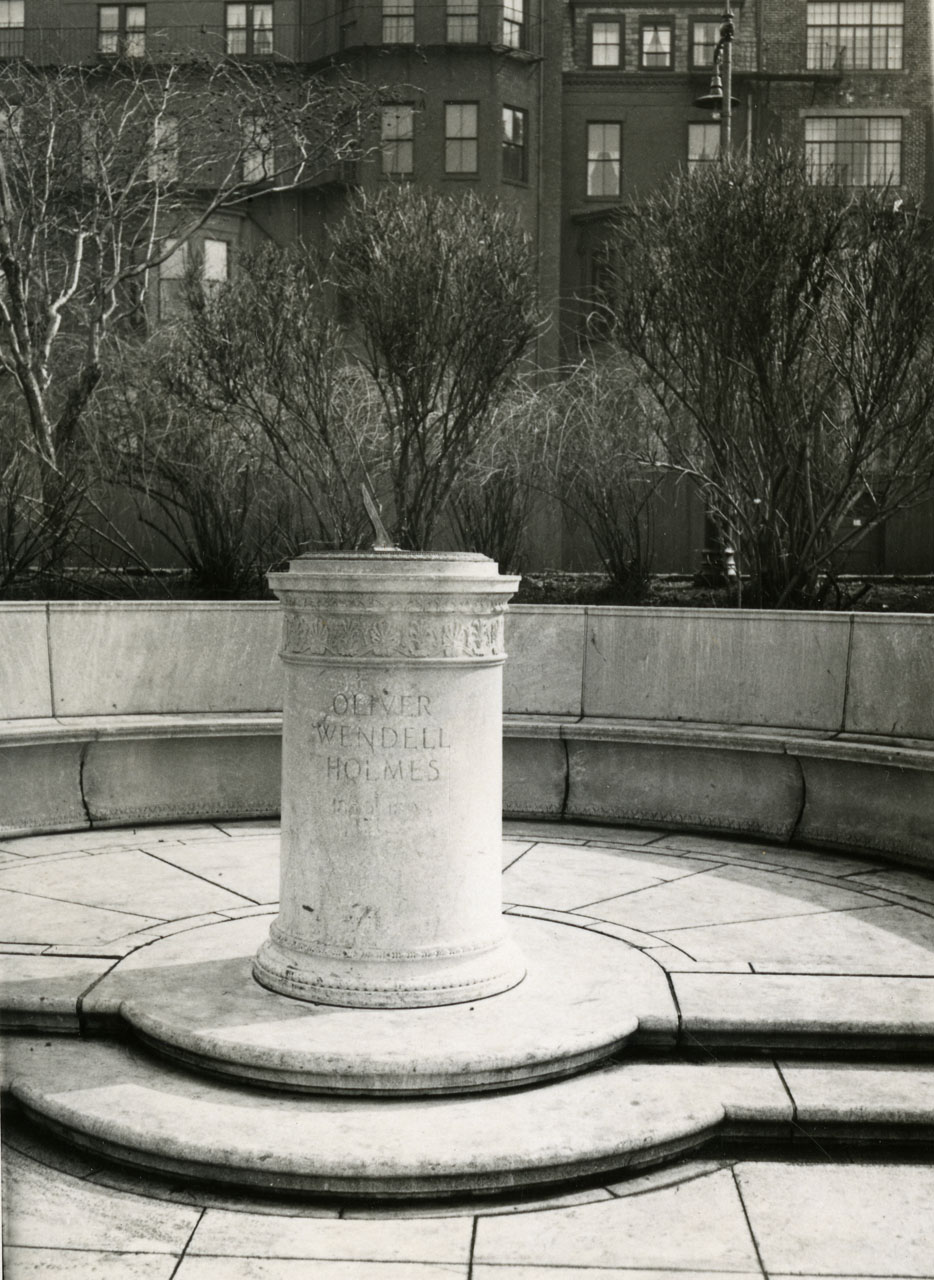
- Location
- US
- Category
- heritage historic sites
- Coordinates
- 42.3542374, -71.0805403
- Best time
- Morning or early afternoon
- Weather tip
- Check the local forecast before visiting.
Overview
The Oliver Wendell Holmes Memorial serves as a commemorative site honoring the life and intellectual contributions of Oliver Wendell Holmes Sr. (1809–1894), a polymath who achieved significant renown as a physician, poet, and essayist. Visitors to this site can explore the historical legacy of one of the 19th century’s most influential American literary figures, often recognized for his contributions to the 'Fireside Poets' group and his role as a professor of anatomy at Harvard Medical School. The memorial provides a quiet space for reflection on Holmes's dual career in medicine and literature, highlighting how he bridged the gap between scientific inquiry and humanistic expression. When planning your visit, consider the memorial as part of your broader research into local attractions, as it offers a unique window into the intellectual history of the era. Whether you are a scholar of American literature or simply curious about the cultural heritage of the United States, this site offers a tangible connection to the past. For those seeking meaningful trip ideas that combine history with academic significance, the memorial stands as a testament to Holmes’s enduring influence on both the medical profession and the American literary canon. Visitors are encouraged to check local conditions before arrival, as this outdoor site is best experienced during the calm of the morning or early afternoon hours.
General information
The Oliver Wendell Holmes Memorial serves as a commemorative site honoring the life and intellectual contributions of Oliver Wendell Holmes Sr. (1809–1894), a polymath who achieved significant renown as a physician, poet, and essayist. Visitors to this site can explore the historical legacy of one of the 19th century’s most influential American literary figures, often recognized for his contributions to the 'Fireside Poets' group and his role as a professor of anatomy at Harvard Medical School. The memorial provides a quiet space for reflection on Holmes's dual career in medicine and literature, highlighting how he bridged the gap between scientific inquiry and humanistic expression. When planning your visit, consider the memorial as part of your broader research into local attractions, as it offers a unique window into the intellectual history of the era. Whether you are a scholar of American literature or simply curious about the cultural heritage of the United States, this site offers a tangible connection to the past. For those seeking meaningful trip ideas that combine history with academic significance, the memorial stands as a testament to Holmes’s enduring influence on both the medical profession and the American literary canon. Visitors are encouraged to check local conditions before arrival, as this outdoor site is best experienced during the calm of the morning or early afternoon hours.
Did you know
- Oliver Wendell Holmes Sr. coined the term 'anesthesia' in 1846.
- He was a member of the 'Fireside Poets,' a group of 19th-century American poets who were popular enough to be read aloud by the family fireside.
- Holmes served as the Dean of Harvard Medical School for five years starting in 1847.
History
Oliver Wendell Holmes Sr. was a central figure in 19th-century American intellectual life. Born in Cambridge, Massachusetts, he pursued a dual career that saw him become a foundational figure in American medicine and a celebrated writer. His essay 'The Contagiousness of Puerperal Fever' (1843) was a landmark in medical history, advocating for hygiene practices that saved countless lives. Simultaneously, his literary works, such as 'The Autocrat of the Breakfast-Table,' solidified his reputation as a witty and profound essayist. The memorial serves to preserve this intersection of scientific rigor and creative prose, marking the enduring impact of a man who famously described his own profession as one of 'science and humanity.'
Cultural significance
The cultural significance of the Oliver Wendell Holmes Memorial lies in its preservation of the 'Gentleman Scholar' archetype. Holmes represented an era where the divide between the sciences and the humanities was porous. His work influenced generations of American writers and medical practitioners alike. By honoring his memory, the site facilitates a deeper understanding of the American Enlightenment and the transition into modern intellectual discourse. It remains a site of pilgrimage for those interested in the history of medicine and the evolution of the American literary voice, serving as a reminder of the importance of interdisciplinary thought.
Geography and landscape
The memorial is situated within a landscape that reflects its academic and historical surroundings. Typically located in proximity to institutions that value historical preservation, the site is designed to offer a serene environment for contemplation. The surrounding terrain is generally well-maintained, featuring architectural or landscape elements that complement the memorial’s commemorative purpose. Visitors will find that the physical setting provides a quiet atmosphere, shielded from the bustle of modern urban environments, allowing for an immersive experience that centers on the life and times of Holmes. It is an accessible, reflective space that integrates neatly into the local historic district.
More facts
- Imported from OSM batch
Visitor links
Nearby attractions
- Museum of the First Corps of Cadets Boston - 359 m
- The Lotta Fountain 382 m
- Louisa Holman Fisk House 385 m
- Boston Marathon Finish Line 523 m
- Boston Marathon Memorial 563 m
- Boston Marathon bombings memorial Boston - 564 m
- David Ignatius Walsh 585 m
- Edwin Upton Curtis Memorial Boston - 608 m