Lifta
Jerusalem, IL
- Location
- Jerusalem, IL
- Category
- heritage historic sites
- Coordinates
- 31.7964636, 35.1963109
- Best time
- Morning or early afternoon
- Weather tip
- Check the local forecast before visiting.
Overview
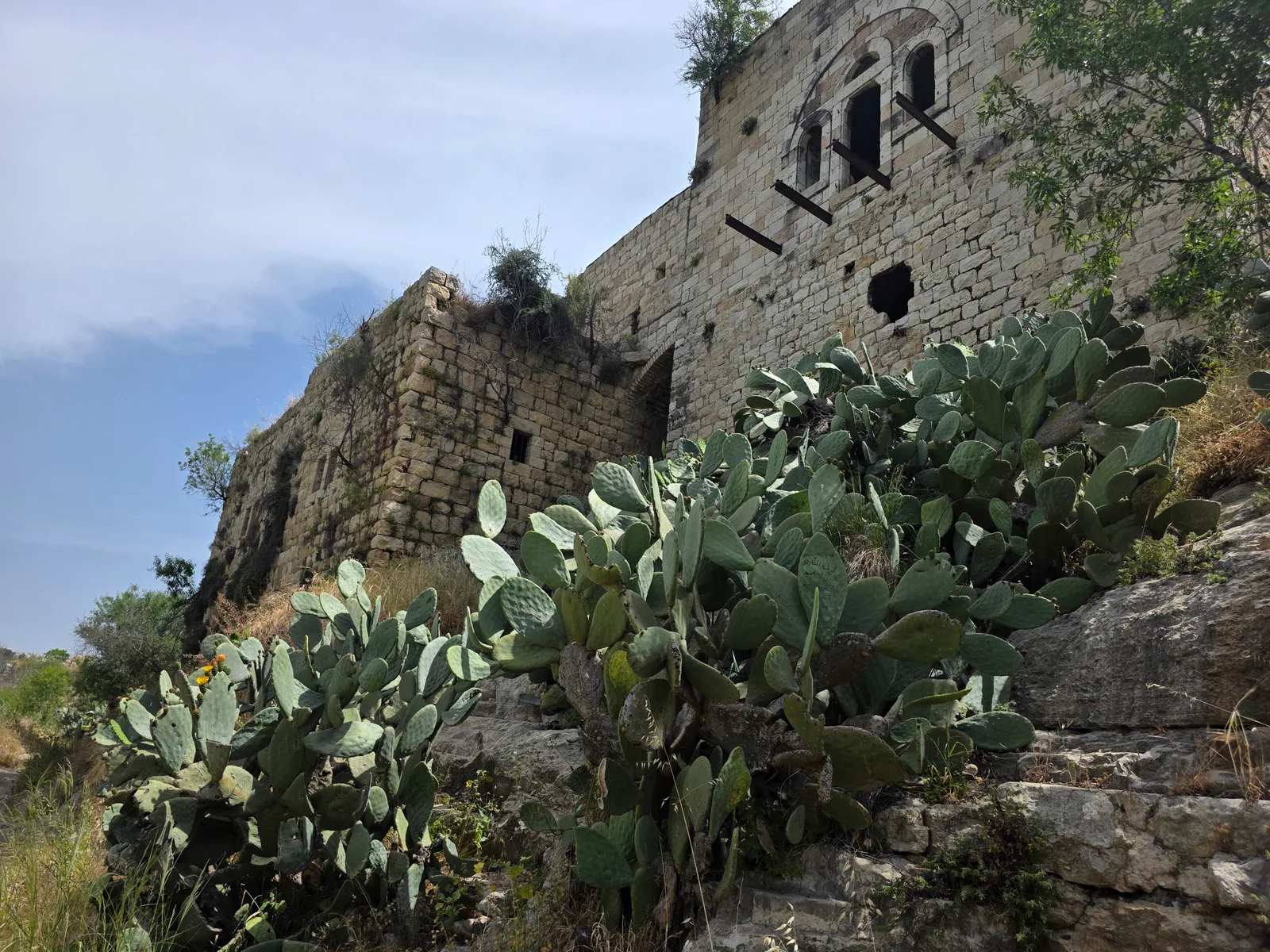
Welcome to Lifta, the ghost village that refused to disappear. Perched on the western slopes of Jerusalem, this site is a hauntingly beautiful capsule of time, offering a rare glimpse into a world of stone houses, arched doorways, and ancient agricultural life. Visitors flock here to wander through the abandoned structures, which remain remarkably intact despite the decades of silence. It is a premier location for those seeking unique places to visit in the Jerusalem area, providing a stark, quiet contrast to the bustling city center just a few minutes away. Whether you are a photographer looking for the perfect play of light on limestone or a hiker wanting to explore the lush valley, Lifta delivers an experience that feels like stepping into a living museum. As you explore, you will find a natural spring and a pool that often serves as a refreshing stop for locals. If you are looking for trip ideas that combine history with a touch of mystery, this hillside gem is an essential stop on your Jerusalem itinerary. Expect a bit of a climb, some overgrown paths, and a lot of 'wow' moments as you navigate this architectural graveyard turned scenic sanctuary.
General information
Welcome to Lifta, the ghost village that refused to disappear. Perched on the western slopes of Jerusalem, this site is a hauntingly beautiful capsule of time, offering a rare glimpse into a world of stone houses, arched doorways, and ancient agricultural life. Visitors flock here to wander through the abandoned structures, which remain remarkably intact despite the decades of silence. It is a premier location for those seeking unique places to visit in the Jerusalem area, providing a stark, quiet contrast to the bustling city center just a few minutes away. Whether you are a photographer looking for the perfect play of light on limestone or a hiker wanting to explore the lush valley, Lifta delivers an experience that feels like stepping into a living museum. As you explore, you will find a natural spring and a pool that often serves as a refreshing stop for locals. If you are looking for trip ideas that combine history with a touch of mystery, this hillside gem is an essential stop on your Jerusalem itinerary. Expect a bit of a climb, some overgrown paths, and a lot of 'wow' moments as you navigate this architectural graveyard turned scenic sanctuary.
Did you know
- Lifta is one of the only abandoned Arab villages in the region that was never demolished or re-inhabited, leaving its original architecture frozen in time.
- The village is mentioned in the Hebrew Bible as 'Mei Neftoach,' marking the border between the tribes of Judah and Benjamin.
- The natural spring at the center of the village was historically used to power flour mills, some of which can still be seen today.
History
Lifta’s history stretches back thousands of years, with archaeological remains dating to the Iron Age. In the Crusader period, it was known as Clepsta. Most of the impressive stone houses you see today were built during the Ottoman era, showcasing sophisticated masonry and traditional vaulted ceilings. The village was a thriving agricultural hub famous for its olives and fruit orchards until the 1948 Arab-Israeli War, when its residents fled. Unlike many other villages from that era, Lifta remained largely untouched by modern development. In 2017, it was declared a national nature reserve, protecting it from various development plans that threatened to turn this historic site into a luxury neighborhood. Today, it stands as a silent witness to the complex layers of Jerusalem's past.
Cultural significance
Lifta holds a unique place in the collective memory of both Israelis and Palestinians. For Palestinians, it is a symbol of the Nakba and a preserved piece of their ancestral heritage. For Israelis, it is a beloved hiking spot and a site of biblical significance. Culturally, it serves as a bridge between eras, often used by artists, filmmakers, and students to study traditional Mediterranean architecture. Its preservation has been the subject of intense legal and social battles, highlighting the deep emotional and historical connection people have to this specific patch of hillside. It is a place of reflection where the architecture speaks of a shared Mediterranean vernacular that predates modern borders.
Geography and landscape
Located at the entrance to Jerusalem, Lifta is nestled in a steep valley within the Jerusalem Hills. The landscape is characterized by rugged limestone terraces, ancient olive trees, and Mediterranean scrub. The centerpiece of the village is the 'Mei Neftoach' spring, which flows into a stone-built pool before trickling down the valley. The terrain is quite steep, with narrow, winding paths connecting the various levels of the village. From the higher points, you get a panoramic view of the 'Arazim' Valley and the modern highway winding into the city, creating a striking visual contrast between the ancient stone ruins and the high-tech infrastructure of modern-day Israel.
More facts
- Imported from OSM batch
Visitor links
Nearby attractions
- Gat Jerusalem - 1493 m
- Art Shelter Gallery Jerusalem - 1518 m
- Gat Jerusalem - 1811 m
- Palmach Harel Division Garden Jerusalem - 1903 m
- September 11 Monument Jerusalem - 1988 m
- Wohl Rose Park Jerusalem - 2035 m
- Bloomfield Science Museum Jerusalem - 2080 m
- Tombs of the Sanhedrin Jerusalem - 2134 m