Lake Erie
US
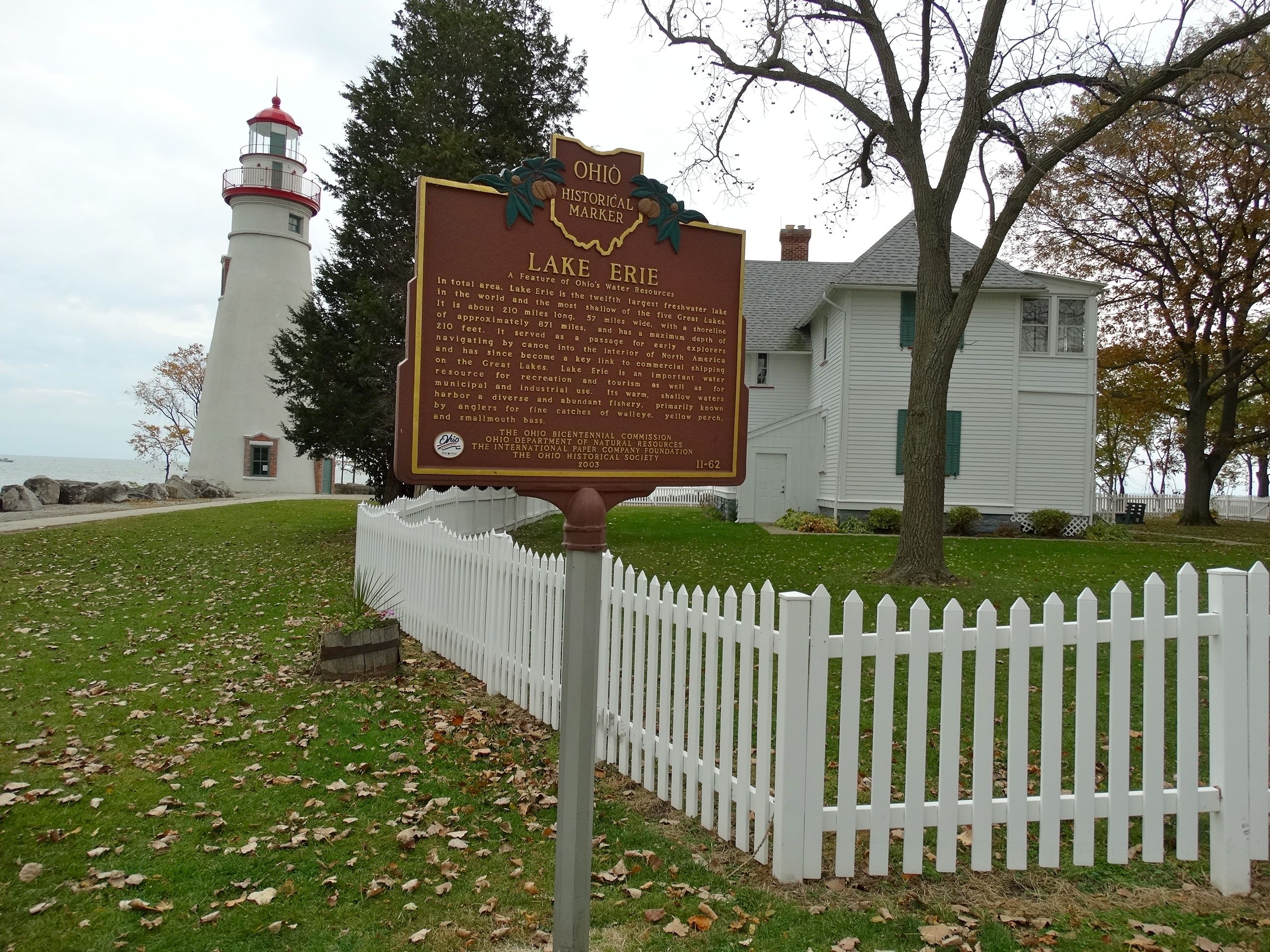
- Location
- US
- Category
- heritage historic sites
- Coordinates
- 41.5364311, -82.7123826
- Best time
- Morning or early afternoon
- Weather tip
- Check the local forecast before visiting.
Overview
Lake Erie stands as the eleventh-largest lake in the world by surface area and the southernmost, shallowest, and smallest by volume of the five Great Lakes of North America. Spanning 9,910 square miles, it serves as a critical hydrological feature of the region, bordered by four U.S. states—Michigan, Ohio, Pennsylvania, and New York—and the Canadian province of Ontario. Visitors are drawn to its expansive shoreline for recreational activities, including boating, sport fishing, and birdwatching, as well as to explore the rich maritime heritage preserved in its numerous coastal communities. For those planning a trip, the lake offers diverse experiences ranging from the bustling urban waterfronts of cities like Cleveland and Buffalo to the serene, protected landscapes of its various state parks and islands. When considering what to do in the area, travelers often prioritize the lake's unique lighthouses, which serve as enduring symbols of the region's historical reliance on these waters for industrial and commercial transport. Whether you are seeking a peaceful retreat or an active day of water sports, Lake Erie provides a versatile destination for diverse trip ideas. The lake's shallow depth makes it prone to rapid temperature changes, resulting in a distinct ecosystem that supports a robust commercial and recreational fishery, further cementing its status as a cornerstone of the North American interior landscape.
General information
Lake Erie stands as the eleventh-largest lake in the world by surface area and the southernmost, shallowest, and smallest by volume of the five Great Lakes of North America. Spanning 9,910 square miles, it serves as a critical hydrological feature of the region, bordered by four U.S. states—Michigan, Ohio, Pennsylvania, and New York—and the Canadian province of Ontario. Visitors are drawn to its expansive shoreline for recreational activities, including boating, sport fishing, and birdwatching, as well as to explore the rich maritime heritage preserved in its numerous coastal communities. For those planning a trip, the lake offers diverse experiences ranging from the bustling urban waterfronts of cities like Cleveland and Buffalo to the serene, protected landscapes of its various state parks and islands. When considering what to do in the area, travelers often prioritize the lake's unique lighthouses, which serve as enduring symbols of the region's historical reliance on these waters for industrial and commercial transport. Whether you are seeking a peaceful retreat or an active day of water sports, Lake Erie provides a versatile destination for diverse trip ideas. The lake's shallow depth makes it prone to rapid temperature changes, resulting in a distinct ecosystem that supports a robust commercial and recreational fishery, further cementing its status as a cornerstone of the North American interior landscape.
Did you know
- Lake Erie is the shallowest of the Great Lakes, with an average depth of only 62 feet.
- The lake was formed by the scouring action of glaciers during the last ice age.
- It is home to the Battle of Lake Erie, a significant naval engagement during the War of 1812.
History
Lake Erie has been a focal point of North American history for centuries. Indigenous peoples, including the Erie tribe, inhabited its southern shores long before European contact. During the 18th and 19th centuries, the lake became a strategic theater for military conflict, most notably during the War of 1812. The Battle of Lake Erie, fought on September 10, 1813, resulted in a decisive American naval victory that secured the Northwest Territory for the United States. Throughout the 20th century, the lake played a pivotal role in the industrial development of the Rust Belt, serving as a primary conduit for the transport of iron ore, coal, and steel, which fueled the rapid growth of lakeside cities.
Cultural significance
The cultural identity of the Lake Erie region is deeply intertwined with its maritime history and industrial legacy. The lake has inspired generations of literature, art, and music, often reflecting the resilience of the communities that settled along its shores. Today, the preservation of numerous historic lighthouses and maritime museums serves to educate the public on the dangerous nature of the lake's navigation and the courage of early sailors. Furthermore, the lake fosters a unique regional culture characterized by a strong connection to outdoor recreation, local fishing traditions, and a shared commitment to environmental stewardship of the Great Lakes basin.
Geography and landscape
Lake Erie is characterized by its relatively shallow basin, which allows for rapid warming in the summer and frequent freezing during winter months. Its landscape is diverse, featuring sandy beaches, rocky cliffs, and extensive wetland systems that provide essential habitats for migratory birds. The lake is connected to Lake Ontario by the Niagara River, which features the world-renowned Niagara Falls. The surrounding topography varies significantly, from the low-lying plains of the west to the more rugged, hilly terrain found along the southern and eastern reaches of the shoreline, creating a varied urban and natural environment.
More facts
- Imported from OSM batch
Visitor links
Nearby attractions
- The Keepers of the Light 45 m
- Home of Benajah Walcott 3454 m