Konzentrationslager Wilhelmshaven
DE
- Location
- DE
- Category
- heritage historic sites
- Coordinates
- 53.5151851, 8.0869565
- Best time
- Morning or early afternoon
- Weather tip
- Check the local forecast before visiting.
Overview
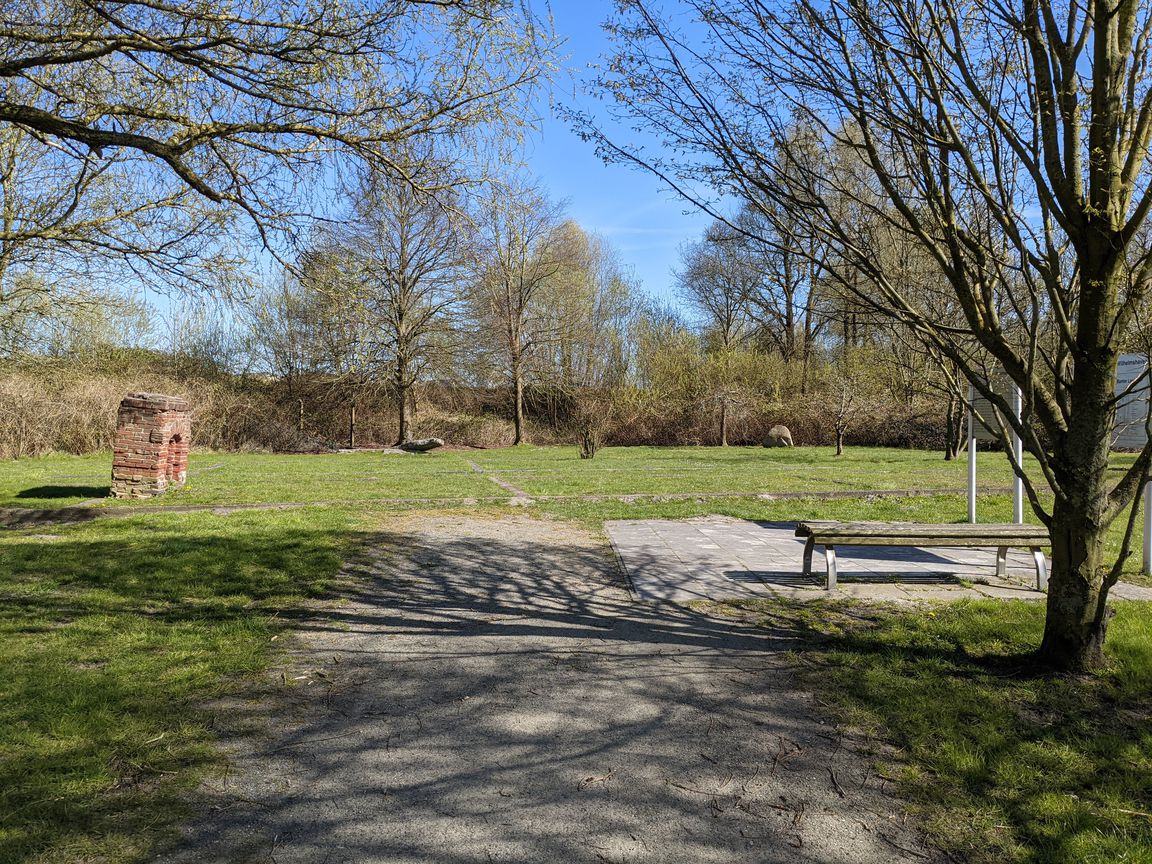
The Wilhelmshaven concentration camp, a subcamp of the Neuengamme concentration camp system, was established in 1944 to support the German war effort during the Second World War. Located in Wilhelmshaven, a city historically significant for its naval base, the camp served as a site for forced labor, primarily involving prisoners tasked with clearing rubble and performing construction work for the Kriegsmarine. Today, the site serves as a place of remembrance and education, allowing visitors to engage with the somber history of the Nazi regime and the human cost of the Holocaust. Those seeking to understand the industrial and military history of the region will find this location central to the narrative of the city’s wartime past. When planning your visit to this memorial site, consider that it offers a profound look into the past, often serving as a primary stop for those researching local attractions and the broader history of the Third Reich. The site is maintained to ensure that the memory of the victims is preserved, providing historical context through markers and informational displays. As you explore the area, you may find that this site is an essential point of reflection for anyone interested in the complex history of Germany. Visitors are encouraged to approach the site with the respect due to a memorial, as it stands as a testament to a dark chapter in 20th-century history.
General information
The Wilhelmshaven concentration camp, a subcamp of the Neuengamme concentration camp system, was established in 1944 to support the German war effort during the Second World War. Located in Wilhelmshaven, a city historically significant for its naval base, the camp served as a site for forced labor, primarily involving prisoners tasked with clearing rubble and performing construction work for the Kriegsmarine. Today, the site serves as a place of remembrance and education, allowing visitors to engage with the somber history of the Nazi regime and the human cost of the Holocaust. Those seeking to understand the industrial and military history of the region will find this location central to the narrative of the city’s wartime past. When planning your visit to this memorial site, consider that it offers a profound look into the past, often serving as a primary stop for those researching local attractions and the broader history of the Third Reich. The site is maintained to ensure that the memory of the victims is preserved, providing historical context through markers and informational displays. As you explore the area, you may find that this site is an essential point of reflection for anyone interested in the complex history of Germany. Visitors are encouraged to approach the site with the respect due to a memorial, as it stands as a testament to a dark chapter in 20th-century history.
Did you know
- The Wilhelmshaven camp was one of many subcamps established by the SS to provide forced labor for the German armaments industry.
- Most prisoners at the Wilhelmshaven subcamp were transferred from the main Neuengamme camp near Hamburg.
- The camp was dissolved in 1945 as Allied forces advanced into northern Germany.
History
The Wilhelmshaven subcamp was operational from 1944 until the final weeks of the war in 1945. It functioned under the administrative control of the Neuengamme concentration camp. The prisoners held here were primarily used for heavy labor, including the clearing of debris from bombing raids and the construction of military infrastructure for the German Navy. The conditions were severe, characterized by malnutrition, exhaustion, and the constant threat of violence. The site is a documented piece of the extensive network of camps that underpinned the Nazi economy and the systematic persecution of individuals during the Second World War.
Cultural significance
As a site of memory, the Wilhelmshaven concentration camp memorial holds significant cultural importance in modern Germany. It serves as a space for public mourning, historical inquiry, and the education of future generations regarding the atrocities of the Holocaust. By preserving the physical location of the camp, the city acknowledges the suffering of the victims and maintains a commitment to the 'Never Again' (Nie wieder) ethos. It stands as a stark reminder of the consequences of totalitarianism and the importance of human rights in modern society.
Geography and landscape
The site is situated within the urban geography of Wilhelmshaven, a city on the North Sea coast of Lower Saxony. Historically, the location was integrated into the city’s industrial and military zones, which were crucial to the German naval presence. Today, the surrounding area has been largely redeveloped into modern residential and industrial zones, but the memorial remains a distinct, quiet space of remembrance. The landscape is flat and coastal, typical of the East Frisian region, providing a somber backdrop that contrasts with the bustling activity of the nearby port and naval base.
More facts
- Imported from OSM batch
Visitor links
Nearby attractions
- Kaiser-Wilhelm-Denkmal 2294 m
- Kaiser-Wilhelm-Brücke 3237 m