Gilbert's Bar House of Refuge
US
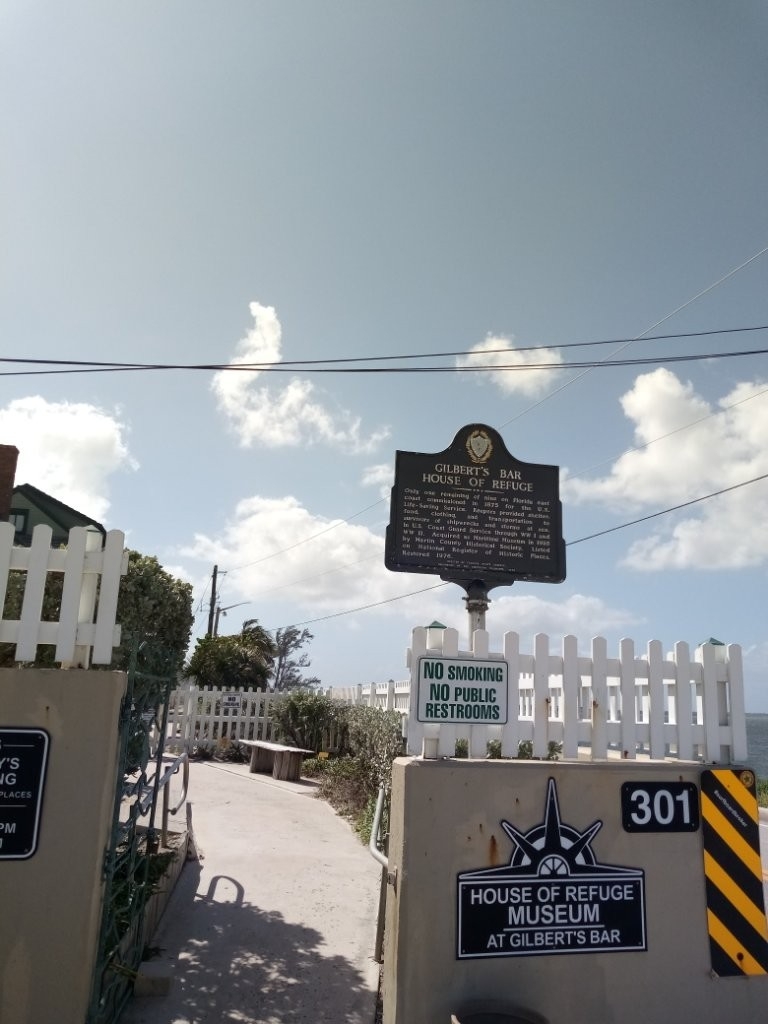
- Location
- US
- Category
- heritage historic sites
- Coordinates
- 27.1998164, -80.1657989
- Best time
- Morning or early afternoon
- Weather tip
- Check the local forecast before visiting.
Overview
Gilbert's Bar House of Refuge, located on Hutchinson Island in Stuart, Florida, stands as a significant maritime landmark and the oldest building in Martin County. Originally established in 1876 by the United States Life-Saving Service, this structure was one of ten houses of refuge built along the Florida coast to provide shelter, food, and water to shipwrecked sailors. These houses were strategically positioned in areas where shipwrecks were frequent due to treacherous offshore reefs and strong currents. Today, the site operates as a museum, offering visitors a profound look into the history of maritime rescue and the life of the keepers who manned these isolated outposts. When considering places to visit along the Treasure Coast, this site provides a unique window into the past, preserving the original architectural integrity and the legacy of the Life-Saving Service. Visitors can explore the keeper’s quarters, view historical maritime artifacts, and learn about the intense challenges faced by crews in the late 19th century. As one of the premier local attractions in the region, it serves as a testament to human resilience and the evolution of coastal safety protocols. Whether you are a history enthusiast or simply seeking educational trip ideas, the House of Refuge offers an immersive experience that highlights the critical role these stations played in protecting mariners navigating the dangerous Atlantic waters.
General information
Gilbert's Bar House of Refuge, located on Hutchinson Island in Stuart, Florida, stands as a significant maritime landmark and the oldest building in Martin County. Originally established in 1876 by the United States Life-Saving Service, this structure was one of ten houses of refuge built along the Florida coast to provide shelter, food, and water to shipwrecked sailors. These houses were strategically positioned in areas where shipwrecks were frequent due to treacherous offshore reefs and strong currents. Today, the site operates as a museum, offering visitors a profound look into the history of maritime rescue and the life of the keepers who manned these isolated outposts. When considering places to visit along the Treasure Coast, this site provides a unique window into the past, preserving the original architectural integrity and the legacy of the Life-Saving Service. Visitors can explore the keeper’s quarters, view historical maritime artifacts, and learn about the intense challenges faced by crews in the late 19th century. As one of the premier local attractions in the region, it serves as a testament to human resilience and the evolution of coastal safety protocols. Whether you are a history enthusiast or simply seeking educational trip ideas, the House of Refuge offers an immersive experience that highlights the critical role these stations played in protecting mariners navigating the dangerous Atlantic waters.
Did you know
- The House of Refuge is the only remaining structure of the original ten built by the U.S. Life-Saving Service in Florida.
- The name 'Gilbert's Bar' refers to a treacherous sandbar located just offshore, which was notorious for causing shipwrecks.
- The site was listed on the National Register of Historic Places in 1974.
History
The House of Refuge was constructed in 1876 under the supervision of the U.S. Life-Saving Service, a predecessor to the modern U.S. Coast Guard. Following the frequent loss of life from shipwrecks along the Florida coast, the government authorized the construction of ten houses of refuge between St. Augustine and Biscayne Bay. These stations were not equipped with lifeboats like the stations in the North; instead, they were stocked with provisions to sustain survivors until they could reach civilization. The keeper, often living with his family, was responsible for patrolling the beach and maintaining the supplies. The Gilbert's Bar station is the only one of the original ten that remains standing today, serving as a vital link to the maritime history of the 19th century.
Cultural significance
The site holds immense cultural value as a symbol of the humanitarian efforts of the late 19th century. It represents the transition of the Florida coast from a wild, dangerous frontier to a more managed and safety-conscious maritime corridor. By preserving the keeper's quarters and the original structure, the museum honors the dedication of the men and women who served as keepers. It stands as a focal point for regional heritage, reminding the community and visitors alike of the historical reliance on coastal resources and the dangers inherent in maritime trade and exploration during the era of sail and early steam.
Geography and landscape
The House of Refuge is situated on the narrow barrier island known as Hutchinson Island, nestled between the Atlantic Ocean to the east and the Indian River Lagoon to the west. This location was chosen specifically for its proximity to the dangerous offshore reefs, known as Gilbert's Bar. The landscape is defined by coastal dunes, sea grapes, and the rugged, windswept nature of the Atlantic shoreline. The site offers expansive views of the ocean, which were essential for the keeper’s duty of scanning the horizon for distressed vessels. The environment remains relatively exposed, reflecting the harsh conditions faced by the original inhabitants.
More facts
- Imported from OSM batch