Fort Donelson National Battlefield
US
- Location
- US
- Category
- national parks nature reserves
- Coordinates
- 36.490686, -87.859522
- Best time
- Morning or early afternoon
- Weather tip
- Check the local forecast before visiting.
- Opening hours
- Mar Su[2]-May Mo[-1] 08:00-18:00; May Mo[-1]-Sep Mo[1] 08:00-20:00; Sep Mo[1]-Nov Su[1] 08:00-18:00; Nov Su[1]-Mar Su[2] 08:00-16:30; Jan 01 off; Nov Th[4] off; Dec 25 off
Overview
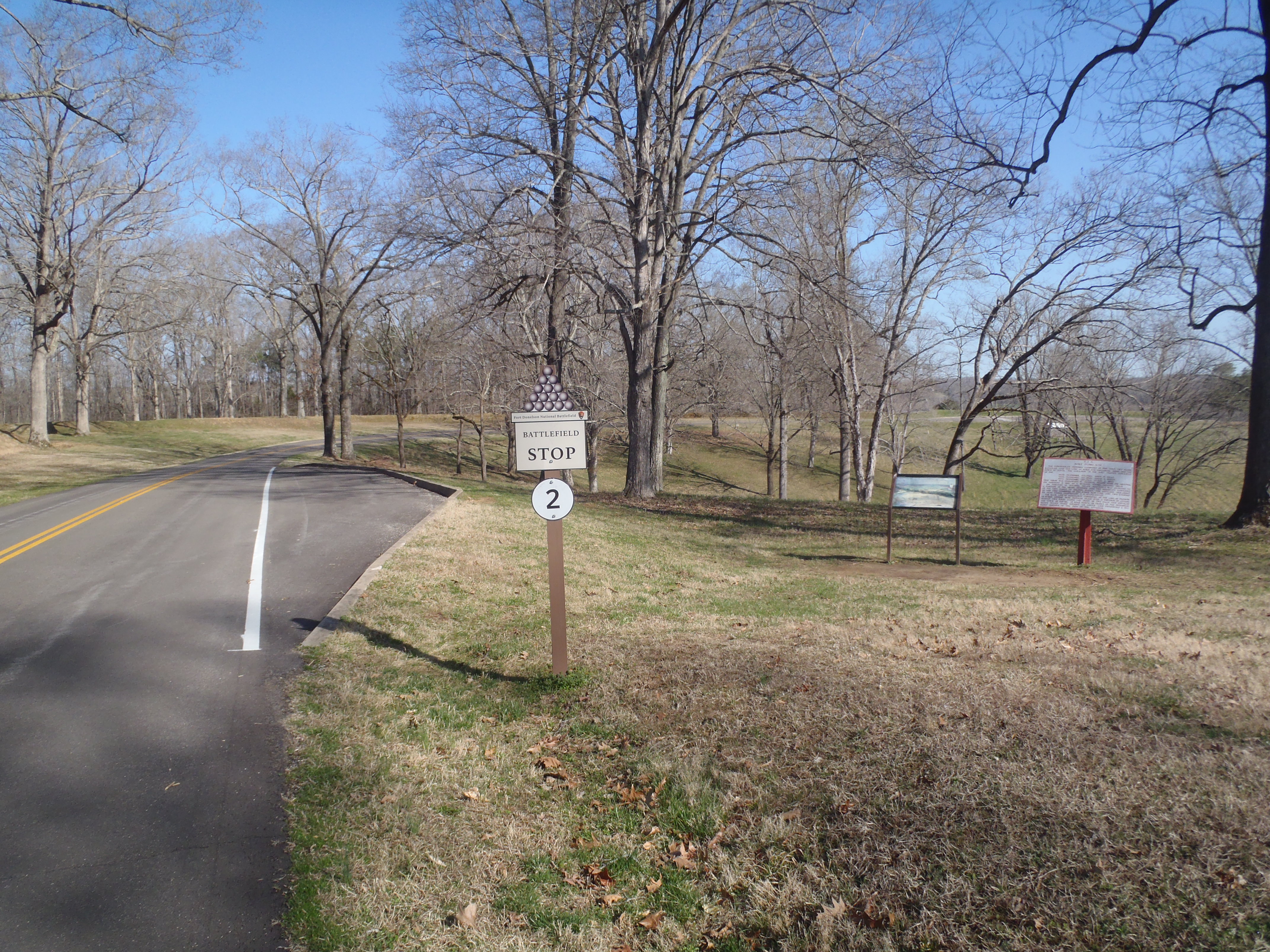
Fort Donelson National Battlefield, located in Dover, Tennessee, serves as a solemn monument to one of the most significant Union victories of the American Civil War. Established to commemorate the 1862 campaign that opened the Cumberland River as an avenue for the invasion of the South, the site preserves the earthworks and river batteries that defined this strategic engagement. Visitors to the battlefield can explore the extensive trail systems, view the well-preserved earthen fortifications, and visit the national cemetery, which serves as the final resting place for many who fell during the conflict. As you consider various trip ideas for your next historical excursion, this park offers a profound look at the tactical maneuvers of General Ulysses S. Grant. The site is managed by the National Park Service and provides an immersive experience for those interested in 19th-century military history. Whether you are walking the self-guided tour routes or examining the river batteries that once guarded the waterway, the battlefield provides a quiet, reflective atmosphere. For those seeking meaningful places to visit in the region, the park’s visitor center offers essential context regarding the surrender terms and the broader impact of the fort's fall on the Confederate defensive line. Guests are encouraged to check the local weather forecast before visiting, as the terrain is primarily outdoor, and the best time to experience the quiet majesty of the grounds is during the morning or early afternoon hours.
General information
Fort Donelson National Battlefield, located in Dover, Tennessee, serves as a solemn monument to one of the most significant Union victories of the American Civil War. Established to commemorate the 1862 campaign that opened the Cumberland River as an avenue for the invasion of the South, the site preserves the earthworks and river batteries that defined this strategic engagement. Visitors to the battlefield can explore the extensive trail systems, view the well-preserved earthen fortifications, and visit the national cemetery, which serves as the final resting place for many who fell during the conflict. As you consider various trip ideas for your next historical excursion, this park offers a profound look at the tactical maneuvers of General Ulysses S. Grant. The site is managed by the National Park Service and provides an immersive experience for those interested in 19th-century military history. Whether you are walking the self-guided tour routes or examining the river batteries that once guarded the waterway, the battlefield provides a quiet, reflective atmosphere. For those seeking meaningful places to visit in the region, the park’s visitor center offers essential context regarding the surrender terms and the broader impact of the fort's fall on the Confederate defensive line. Guests are encouraged to check the local weather forecast before visiting, as the terrain is primarily outdoor, and the best time to experience the quiet majesty of the grounds is during the morning or early afternoon hours.
Did you know
- The surrender of Fort Donelson in 1862 resulted in over 12,000 Confederate soldiers being taken prisoner.
- The victory at Fort Donelson earned Union General Ulysses S. Grant the nickname 'Unconditional Surrender' Grant.
- Fort Donelson was the first major Union victory of the American Civil War.
History
In February 1862, Union forces led by Ulysses S. Grant moved against Fort Donelson, a critical Confederate fortification on the Cumberland River. After a series of intense engagements and a naval bombardment, the Confederate garrison found itself surrounded. On February 16, 1862, Confederate leadership requested terms for surrender. Grant famously replied that 'no terms except an unconditional and immediate surrender can be accepted.' The subsequent fall of the fort forced the Confederate army to abandon Nashville and opened the Cumberland River as a vital supply route for the Union military. This victory was a pivotal turning point that significantly altered the strategic landscape of the Western Theater of the war.
Cultural significance
The battlefield stands as a site of national memory, preserving the sacrifice of soldiers from both sides of the conflict. The Fort Donelson National Cemetery, established in 1867, remains a place of reverence, housing the graves of 670 Union soldiers. The site serves as an educational resource for the public to understand the complexities of the Civil War, the human cost of the conflict, and the political ramifications of the Union's success in the Cumberland Valley. It represents a transition point in American history where the scale and lethality of the war became increasingly apparent.
Geography and landscape
The battlefield is situated along the banks of the Cumberland River in Stewart County, Tennessee. The landscape is characterized by rolling hills, dense woodlands, and the strategic high ground that once overlooked the river. The terrain features preserved earthen fortifications, or redoubts, which were constructed by Confederate forces to protect the fort. The park encompasses the river batteries, which provided the primary defense against Union gunboats, and the surrounding fields where infantry engagements took place. The natural topography remains largely reflective of its 1862 appearance, providing a clear view of the tactical challenges faced by the armies during the campaign.
More facts
- Imported from OSM batch
Visitor links
Nearby attractions
- Fort Donelson Cumberland Battery 544 m
- Confederate War Memorial 719 m
- Cannon Monument 1101 m