First Landing National Memorial
US
- Location
- US
- Category
- heritage historic sites
- Coordinates
- 36.9280094, -76.0088534
- Best time
- Morning or early afternoon
- Weather tip
- Check the local forecast before visiting.
Overview
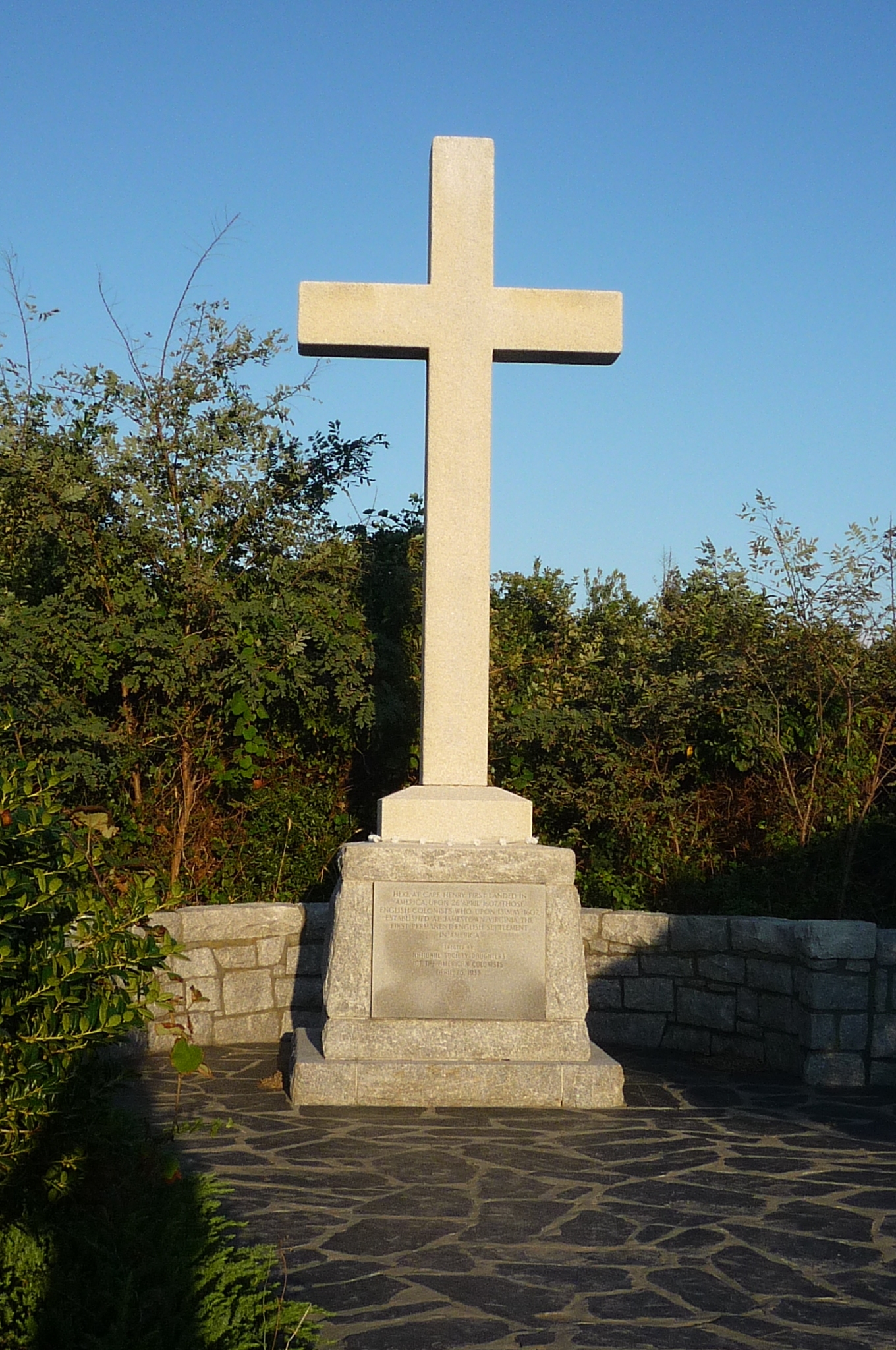
The First Landing National Memorial marks the historic site where 104 English settlers, having completed a grueling four-month voyage across the Atlantic, first stepped onto North American soil on April 26, 1607. The expedition, commissioned by the Virginia Company of London, arrived aboard three vessels: the Susan Constant, the Godspeed, and the Discovery. Upon reaching the southern cape of what they recorded as 'Chesupioc Bay,' the settlers conducted their first landing before ultimately proceeding up the James River to establish Jamestown, the first permanent English settlement in the Americas. Today, the memorial serves as a significant landmark for those interested in colonial history and the origins of English presence in the United States. Visitors to the site can explore the coastal landscape that greeted these early explorers, offering a unique perspective on the maritime challenges of the 17th century. As you plan your trip ideas for exploring the Virginia coastline, this memorial stands as a foundational point for understanding early American history. Whether you are a history enthusiast or simply looking for educational places to visit, the memorial provides a quiet, reflective space to contemplate the events that shaped the trajectory of the continent. The site is best experienced during the morning or early afternoon when natural light highlights the coastal terrain. Be sure to check local weather forecasts before your arrival to ensure an enjoyable visit.
General information
The First Landing National Memorial marks the historic site where 104 English settlers, having completed a grueling four-month voyage across the Atlantic, first stepped onto North American soil on April 26, 1607. The expedition, commissioned by the Virginia Company of London, arrived aboard three vessels: the Susan Constant, the Godspeed, and the Discovery. Upon reaching the southern cape of what they recorded as 'Chesupioc Bay,' the settlers conducted their first landing before ultimately proceeding up the James River to establish Jamestown, the first permanent English settlement in the Americas. Today, the memorial serves as a significant landmark for those interested in colonial history and the origins of English presence in the United States. Visitors to the site can explore the coastal landscape that greeted these early explorers, offering a unique perspective on the maritime challenges of the 17th century. As you plan your trip ideas for exploring the Virginia coastline, this memorial stands as a foundational point for understanding early American history. Whether you are a history enthusiast or simply looking for educational places to visit, the memorial provides a quiet, reflective space to contemplate the events that shaped the trajectory of the continent. The site is best experienced during the morning or early afternoon when natural light highlights the coastal terrain. Be sure to check local weather forecasts before your arrival to ensure an enjoyable visit.
Did you know
- The expedition took four months to cross the Atlantic Ocean.
- The fleet consisted of three ships: the Susan Constant, the Godspeed, and the Discovery.
- The settlers arrived at the southern cape of what they identified as 'Chesupioc Bay'.
History
On April 26, 1607, the Virginia Company's expedition reached the mouth of the Chesapeake Bay. After their initial landing at what is now known as Cape Henry, the group spent several days exploring the immediate area. During this time, they encountered indigenous populations and engaged in initial reconnaissance of the region. Finding the location unsuitable for a permanent defensive fortification, the ships departed the cape on April 30, 1607, to search for a more secure site further inland, eventually selecting the location that would become Jamestown. The First Landing site remains a testament to this pivotal moment of contact.
Cultural significance
The First Landing National Memorial is culturally significant as the symbolic gateway for English colonization in North America. It represents the intersection of European maritime ambition and the pre-existing indigenous landscapes of the Chesapeake region. The memorial serves as a point of historical interpretation, allowing the public to engage with the complex legacy of the 1607 arrival. By preserving the site of the first contact, the memorial facilitates ongoing dialogue regarding the colonial era, the hardships faced by the settlers, and the profound impact of this arrival on the continent's cultural and political development.
Geography and landscape
The site is situated at the southern cape of the Chesapeake Bay entrance, characterized by a coastal environment of dunes, maritime forests, and sandy beaches. The landscape is defined by its proximity to the Atlantic Ocean and the mouth of the bay, providing the same strategic vantage point that the original settlers utilized for navigation in 1607. The terrain is relatively flat and exposed to the elements, reflecting the rugged conditions the expedition encountered upon arrival. It remains a vital part of the coastal ecosystem, offering a glimpse into the natural surroundings that defined the initial colonial experience.
More facts
- Imported from OSM batch
Visitor links
Nearby attractions
- French British Naval Engagement Off the Virginia Capes 31 m
- Cape Henry Lighthouse 235 m
- Old Cape Henry Lighthouse 254 m
- U.S. Coast Guard Virginia Lifeboat Stations Virginia Beach - 8919 m
- Replica Race Point Surfboat Virginia Beach - 8926 m
- The War of 1812 Virginia Beach - 8929 m