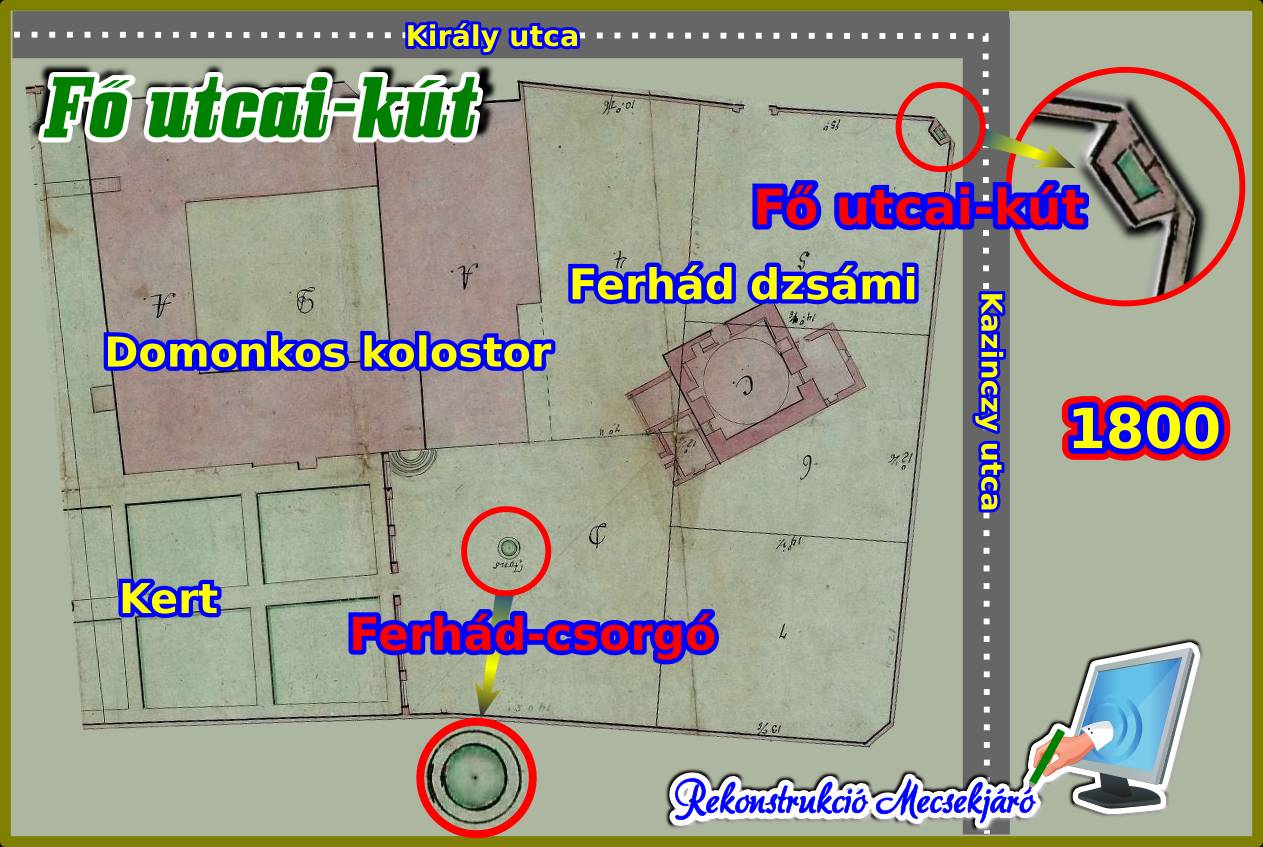
Ferhád Pasa dzsámijának romjai.
HU

- Location
- HU
- Category
- heritage historic sites
- Coordinates
- 46.076371, 18.231545
- Best time
- Morning or early afternoon
- Weather tip
- Check the local forecast before visiting.
Overview
The ruins of Ferhád Pasha’s Mosque represent a significant archaeological site in Hungary, marking the historical presence of the Ottoman Empire in the region. Visitors to this site can observe the remnants of what was once a place of worship, providing a tangible link to the complex cultural shifts that shaped the Hungarian landscape during the 16th and 17th centuries. While the structure is largely in ruins, the site serves as an essential point of interest for those exploring the architectural legacy of the Ottoman period. As you consider various places to visit in the region, these ruins offer a quiet, contemplative space that contrasts with the more restored monuments found elsewhere. The site is best accessed during the morning or early afternoon to take full advantage of natural light for viewing the masonry and ground layout. When planning your trip ideas for historical exploration, it is advisable to check the local weather forecast, as the site is situated in an exposed, outdoor environment. The ruins stand as a testament to a specific era of administration and religious life, offering researchers and history enthusiasts a glimpse into the past. Maintenance of the site is minimal, and visitors should exercise caution while navigating the uneven terrain. It remains an important, though understated, feature of Hungary's diverse heritage landscape.
General information
The ruins of Ferhád Pasha’s Mosque represent a significant archaeological site in Hungary, marking the historical presence of the Ottoman Empire in the region. Visitors to this site can observe the remnants of what was once a place of worship, providing a tangible link to the complex cultural shifts that shaped the Hungarian landscape during the 16th and 17th centuries. While the structure is largely in ruins, the site serves as an essential point of interest for those exploring the architectural legacy of the Ottoman period. As you consider various places to visit in the region, these ruins offer a quiet, contemplative space that contrasts with the more restored monuments found elsewhere. The site is best accessed during the morning or early afternoon to take full advantage of natural light for viewing the masonry and ground layout. When planning your trip ideas for historical exploration, it is advisable to check the local weather forecast, as the site is situated in an exposed, outdoor environment. The ruins stand as a testament to a specific era of administration and religious life, offering researchers and history enthusiasts a glimpse into the past. Maintenance of the site is minimal, and visitors should exercise caution while navigating the uneven terrain. It remains an important, though understated, feature of Hungary's diverse heritage landscape.
Did you know
- The mosque was named after Ferhád Pasha, a prominent Ottoman official.
- The site provides evidence of the architectural transition during the Ottoman occupation of Hungary.
- Archaeological investigations at such sites often reveal foundations that help historians map the urban layout of Ottoman-era settlements.
History
The ruins are associated with the Ottoman occupation of Hungary, a period spanning roughly 150 years. Ferhád Pasha, who served as a governor in the region, commissioned the mosque during the height of Ottoman influence. Following the withdrawal of Ottoman forces and the subsequent reconquest by the Habsburgs, many such structures were repurposed, fell into disrepair, or were demolished. The remaining foundations and masonry segments at this site are remnants of the building's original footprint, preserved through time as a witness to the profound geopolitical changes of the era.
Cultural significance
The site holds cultural significance as a physical manifestation of the Islamic architectural and religious influence that entered Hungary during the 16th century. It serves as a reminder of the multi-layered history of the region, where diverse cultures and religions intersected. By studying the ruins, historians can better understand the social and religious integration of Ottoman administrators within the local population. It is a site of reflection on the endurance of cultural identity and the passage of empires, contributing to the broader narrative of European history.
Geography and landscape
The ruins are located in an open, outdoor setting, typical of archaeological sites that have not been fully reconstructed. The terrain is generally uneven, consisting of grass-covered mounds and exposed stone foundations. The surrounding landscape is characterized by the natural topography of the Hungarian countryside, which has remained largely rural. The site is exposed to the elements, making it subject to seasonal changes in weather. Its location offers a secluded atmosphere, removed from the density of modern urban development, allowing for a quiet observation of the historical remains.
More facts
- Imported from OpenStreetMap batch
Visitor links
Nearby attractions
- Csorba Győző 821 m