Wadi Nisnas
Haifa, IL

- Location
- Haifa, IL
- Category
- urban nature
- Coordinates
- 32.8163, 34.9963
- Opening hours
- Open 24/7
Overview
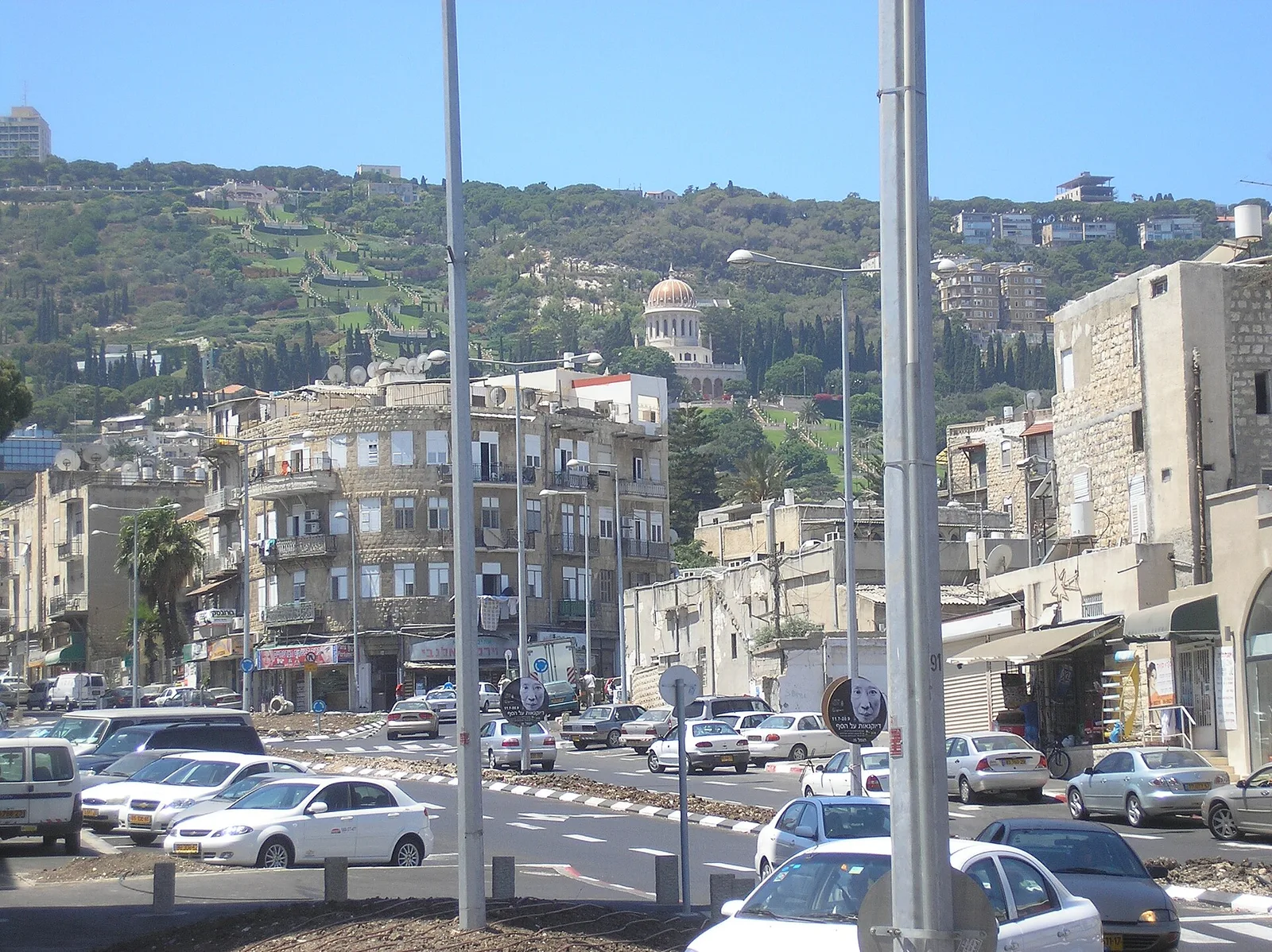
Wadi Nisnas is a historic Arab neighborhood located in the lower city of Haifa, serving as a vibrant center for culture, art, and culinary tradition. Established in the 19th century, the neighborhood is characterized by its limestone architecture, narrow winding alleys, and a distinct community atmosphere that emphasizes coexistence. Visitors are drawn to its authentic markets, traditional bakeries, and renowned eateries serving local delicacies like falafel and knafeh. For those looking for trip ideas, a walking tour through these streets offers a sensory journey into the daily life of Haifa’s residents. The area is particularly famous for hosting the 'Holiday of Holidays' festival each December, an event that celebrates the overlapping traditions of Judaism, Christianity, and Islam. As a prominent local attraction, Wadi Nisnas provides a window into the city's diverse human mosaic, offering an experience that is both historically grounded and culturally rich. The neighborhood remains a testament to the shared heritage of the region, making it an essential stop for anyone seeking to understand the authentic social fabric of Haifa.
General information
Wadi Nisnas is a historic Arab neighborhood located in the lower city of Haifa, serving as a vibrant center for culture, art, and culinary tradition. Established in the 19th century, the neighborhood is characterized by its limestone architecture, narrow winding alleys, and a distinct community atmosphere that emphasizes coexistence. Visitors are drawn to its authentic markets, traditional bakeries, and renowned eateries serving local delicacies like falafel and knafeh. For those looking for trip ideas, a walking tour through these streets offers a sensory journey into the daily life of Haifa’s residents. The area is particularly famous for hosting the 'Holiday of Holidays' festival each December, an event that celebrates the overlapping traditions of Judaism, Christianity, and Islam. As a prominent local attraction, Wadi Nisnas provides a window into the city's diverse human mosaic, offering an experience that is both historically grounded and culturally rich. The neighborhood remains a testament to the shared heritage of the region, making it an essential stop for anyone seeking to understand the authentic social fabric of Haifa.
Did you know
- Wadi Nisnas is home to the 'Holiday of Holidays' festival, which has been celebrating multiculturalism every December since 1993.
- The neighborhood's name, 'Nisnas,' refers to the Egyptian Mongoose, an animal once common in the area's natural wadis.
- Many of the walls in the neighborhood serve as an open-air museum, featuring permanent art installations by both Jewish and Arab artists.
- The neighborhood served as the setting for the famous Hebrew novel 'The Lover' by A.B. Yehoshua.
History
Wadi Nisnas developed primarily during the late Ottoman period in the 19th century as a residential area outside the fortified walls of old Haifa. Unlike many other neighborhoods that saw massive demographic shifts in 1948, Wadi Nisnas maintained a significant portion of its original Arab population, preserving its architectural and social continuity. Over the decades, it evolved from a quiet residential quarter into a bustling commercial and cultural hub. The preservation of its stone houses and traditional urban layout provides a physical record of Haifa's growth during the British Mandate and the early years of the State of Israel. Today, it stands as one of the few places where the pre-1948 urban fabric of Haifa remains largely intact and functional.
Cultural significance
The neighborhood is a primary symbol of 'Haifa-style' coexistence, representing a shared space where different religious and ethnic groups interact daily. Its cultural heart is the 'Holiday of Holidays' (Hag HaHagim), which attracts tens of thousands of visitors to celebrate Hanukkah, Christmas, and Ramadan simultaneously. Beyond festivals, Wadi Nisnas is a culinary landmark, known for producing some of the country's most celebrated traditional Middle Eastern foods. It also serves as a canvas for the 'Museum Without Walls' project, where street art and poetry are integrated into the public space to promote dialogue and mutual understanding through creative expression.
Geography and landscape
Geographically, Wadi Nisnas is situated in a natural valley (wadi) on the lower slopes of Mount Carmel, positioned between the Hadar HaCarmel neighborhood and the downtown port area. The landscape is defined by its steep, narrow pedestrian alleys and stone stairways that navigate the incline. Architecturally, the area is dominated by traditional Mediterranean stone buildings featuring arched windows and decorative ironwork. The urban landscape is dense and intimate, with small residential courtyards tucked behind commercial storefronts. This topography creates a sheltered, village-like micro-environment within the larger urban framework of Haifa, contrasting sharply with the modern high-rises and industrial port facilities nearby.
Visitor links
Nearby attractions
- Beit HaGefen Haifa - 350 m
- Haifa Museum of Art Haifa - 384 m
- Downtown Haifa Haifa - 513 m
- Bahá'í gardens Haifa - 729 m
- Shrine of the Bab Haifa - 877 m
- Baha'i Gardens Haifa - 901 m
- Universal House of Justice Haifa - 987 m
- Israel Railway Museum Haifa - 1128 m