Fallingwater
US
- Location
- US
- Category
- iconic bucket list
- Coordinates
- 39.906232, -79.467974
- Best time
- Morning or early afternoon
- Weather tip
- Check the local forecast before visiting.
Overview
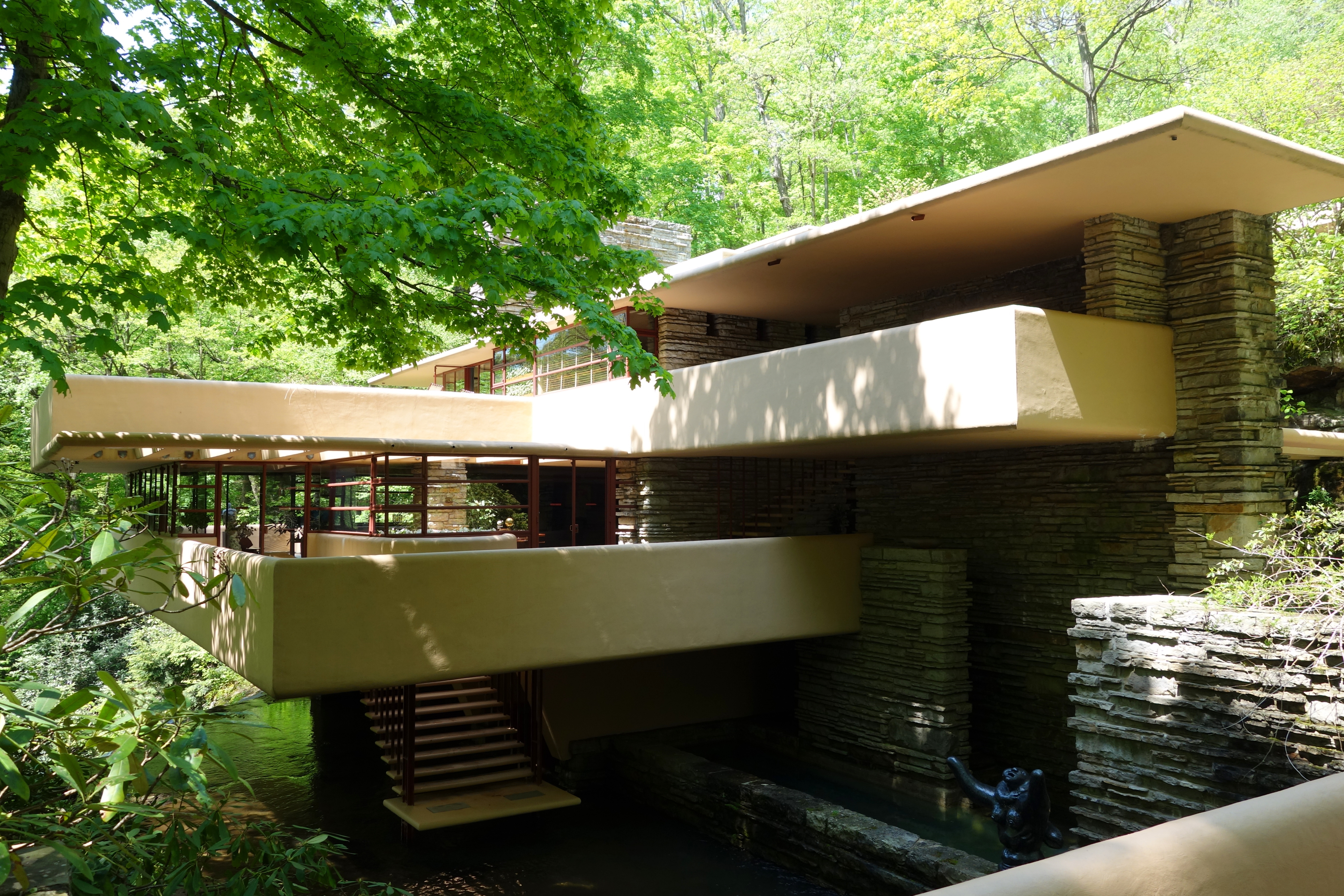
Fallingwater, designed by American architect Frank Lloyd Wright in 1935, stands as one of the most significant examples of organic architecture in the United States. Located in the Laurel Highlands of southwestern Pennsylvania, the residence was commissioned by the Kaufmann family as a weekend retreat. Wright’s design philosophy, which emphasizes harmony between human habitation and the natural world, is exemplified by the structure’s construction directly over a 30-foot waterfall on Bear Run. Visitors traveling to this architectural landmark can expect an immersive experience that highlights the integration of stone, glass, and concrete with the surrounding forest landscape. The residence features expansive cantilevered terraces that mimic the natural rock ledges of the site, creating a seamless transition between interior and exterior spaces. As one of the most sought-after places to visit for architecture enthusiasts, the site offers guided tours that provide insight into Wright’s innovative use of space and light. Those planning trip ideas to this region will find that the house remains largely in its original state, complete with the Kaufmanns' original furnishings and art collection. Given its popularity, advance booking for tours is essential. The site is best experienced during the morning or early afternoon when natural light optimally illuminates the interior volumes, allowing guests to fully appreciate how the structure respects the rugged terrain of the Pennsylvania countryside.
General information
Fallingwater, designed by American architect Frank Lloyd Wright in 1935, stands as one of the most significant examples of organic architecture in the United States. Located in the Laurel Highlands of southwestern Pennsylvania, the residence was commissioned by the Kaufmann family as a weekend retreat. Wright’s design philosophy, which emphasizes harmony between human habitation and the natural world, is exemplified by the structure’s construction directly over a 30-foot waterfall on Bear Run. Visitors traveling to this architectural landmark can expect an immersive experience that highlights the integration of stone, glass, and concrete with the surrounding forest landscape. The residence features expansive cantilevered terraces that mimic the natural rock ledges of the site, creating a seamless transition between interior and exterior spaces. As one of the most sought-after places to visit for architecture enthusiasts, the site offers guided tours that provide insight into Wright’s innovative use of space and light. Those planning trip ideas to this region will find that the house remains largely in its original state, complete with the Kaufmanns' original furnishings and art collection. Given its popularity, advance booking for tours is essential. The site is best experienced during the morning or early afternoon when natural light optimally illuminates the interior volumes, allowing guests to fully appreciate how the structure respects the rugged terrain of the Pennsylvania countryside.
Did you know
- Fallingwater was named the 'best all-time work of American architecture' by the American Institute of Architects in 1991.
- The house was designated a UNESCO World Heritage site in 2019.
- The residence was built using native sandstone quarried directly from the property.
History
Commissioned in 1935 by department store owner Edgar J. Kaufmann Sr., the project represented a pivotal moment in Frank Lloyd Wright’s career. Wright, then 67 years old, sought to create a dwelling that did not merely overlook the waterfall but became a part of it. Construction spanned from 1936 to 1939, utilizing local labor and materials to anchor the house to the bedrock of Bear Run. The Kaufmann family used the home as their primary weekend residence until 1963, when Edgar Kaufmann Jr. donated the house and the surrounding 1,500 acres to the Western Pennsylvania Conservancy, ensuring its preservation for public access.
Cultural significance
Fallingwater is a quintessential monument of the 20th-century Modernist movement. Its cultural impact lies in its radical departure from traditional domestic architecture, which typically sought to isolate inhabitants from the elements. By blurring the boundaries between the built environment and the natural landscape, Wright challenged the societal perception of luxury and domesticity. Today, it serves as a global touchstone for sustainable design and architectural education, drawing scholars and tourists alike to study how human-made structures can exist in ecological equilibrium with their environment.
Geography and landscape
The attraction is situated within the Bear Run Nature Reserve in the Laurel Highlands of the Appalachian Mountains. The landscape is characterized by a dense, deciduous forest, steep ravines, and the active watercourse of Bear Run. The house is physically anchored to the sandstone ledges surrounding the waterfall, which creates a unique microclimate and acoustic environment. The orientation of the terraces and the placement of large glass panels are specifically calculated to frame the surrounding forest canopy and the movement of the stream, making the topography an active participant in the architectural experience.
More facts
- Imported from OSM batch