Eigulių piliakalnis
Kaunas, IL
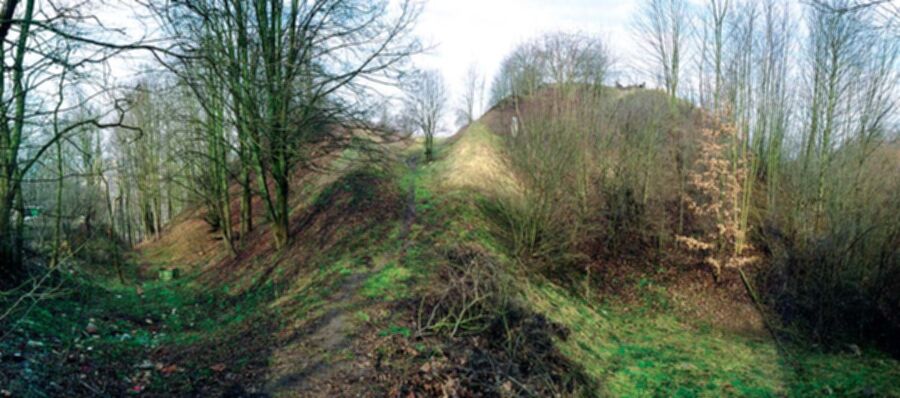
- Location
- Kaunas, IL
- Category
- viewpoints natural phenomena
- Coordinates
- 54.9168889, 23.9149167
- Best time
- Morning or early afternoon
- Weather tip
- Check the local forecast before visiting.
Overview
Eigulių piliakalnis, located in the northern district of Kaunas, is a significant archaeological site and a prominent natural landmark. A piliakalnis, or mound fort, is a hallmark of Baltic defensive architecture, consisting of a raised hill—either natural or man-made—that was historically fortified to protect local settlements. Visitors to Eigulių piliakalnis can expect a serene, elevated vantage point that offers a unique perspective over the surrounding landscape and the Neris River valley. The site provides a quiet escape from the urban bustle, making it an ideal destination for those interested in history, hiking, and landscape photography. While the site is primarily an archaeological monument, it serves as a peaceful park area where one can observe the natural topography of the region. For those seeking places to visit in the Kaunas area, this mound offers a blend of cultural heritage and natural beauty. It is recommended to plan your visit during the morning or early afternoon to take full advantage of the natural lighting for viewing the terrain. As with any outdoor site in this region, it is advisable to check the local weather forecast before heading out to ensure a comfortable experience. Whether you are a history enthusiast or simply looking for local attractions that offer a scenic view, Eigulių piliakalnis provides a meaningful connection to the ancient defensive structures that once defined the Lithuanian landscape.
General information
Eigulių piliakalnis, located in the northern district of Kaunas, is a significant archaeological site and a prominent natural landmark. A piliakalnis, or mound fort, is a hallmark of Baltic defensive architecture, consisting of a raised hill—either natural or man-made—that was historically fortified to protect local settlements. Visitors to Eigulių piliakalnis can expect a serene, elevated vantage point that offers a unique perspective over the surrounding landscape and the Neris River valley. The site provides a quiet escape from the urban bustle, making it an ideal destination for those interested in history, hiking, and landscape photography. While the site is primarily an archaeological monument, it serves as a peaceful park area where one can observe the natural topography of the region. For those seeking places to visit in the Kaunas area, this mound offers a blend of cultural heritage and natural beauty. It is recommended to plan your visit during the morning or early afternoon to take full advantage of the natural lighting for viewing the terrain. As with any outdoor site in this region, it is advisable to check the local weather forecast before heading out to ensure a comfortable experience. Whether you are a history enthusiast or simply looking for local attractions that offer a scenic view, Eigulių piliakalnis provides a meaningful connection to the ancient defensive structures that once defined the Lithuanian landscape.
Did you know
- The term 'piliakalnis' refers specifically to a hill fort, which was a central element of defensive systems in the Baltic region for centuries.
- Eigulių piliakalnis is situated near the Neris River, which served as a vital transportation and defensive artery in ancient times.
- Many mound forts in Lithuania were used for defensive purposes as early as the 1st millennium BC.
History
Eigulių piliakalnis dates back to the early periods of Baltic tribal history. These mounds were constructed or adapted to serve as defensive strongholds, providing a strategic advantage against invaders. Archaeological evidence suggests that the site was utilized during the Iron Age, where the elevated position allowed inhabitants to monitor the river valley and protect the surrounding settlements. Over centuries, the function of the mound evolved, and today it stands as a protected heritage site, offering researchers insights into ancient defensive engineering and settlement patterns in the Kaunas region.
Cultural significance
The Eigulių piliakalnis is a vital part of Lithuania’s cultural landscape, representing the historical ingenuity of early Baltic societies. These mounds are deeply ingrained in national folklore and are seen as symbols of resilience and territorial protection. In modern times, they serve as focal points for historical education and community identity, reminding visitors of the long-standing human presence in the Kaunas area. The site is protected to ensure that the physical record of this ancient defensive architecture remains intact for future generations to study and appreciate.
Geography and landscape
The site is characterized by its elevated position above the surrounding terrain, typical of the glacial topography found in the Kaunas region. The mound overlooks the Neris River valley, providing a natural vantage point that highlights the intersection of riverine and forest ecosystems. The landscape is largely defined by the steep slopes of the mound, which have been preserved through natural vegetation cover. The urban context of the modern Eiguliai district surrounds the base of the hill, creating a striking contrast between the ancient, fortified earthworks and the contemporary residential development of the city.
More facts
- Imported from OSM Overpass
Visitor links
Nearby attractions
- Seventh Fort Kaunas - 781 m
- Žmuidzinavičius Museum Kaunas - 1809 m
- Vytautas the Great War Museum Kaunas - 1890 m
- M. K. Čiurlionis National Art Museum Kaunas - 1894 m
- Tadas Ivanauskas Zoological Museum Kaunas - 2219 m