Dreifaltigkeitskirche
DE
- Location
- DE
- Category
- iconic bucket list
- Coordinates
- 49.317919, 8.439525
- Best time
- Morning or early afternoon
- Weather tip
- Check the local forecast before visiting.
Overview
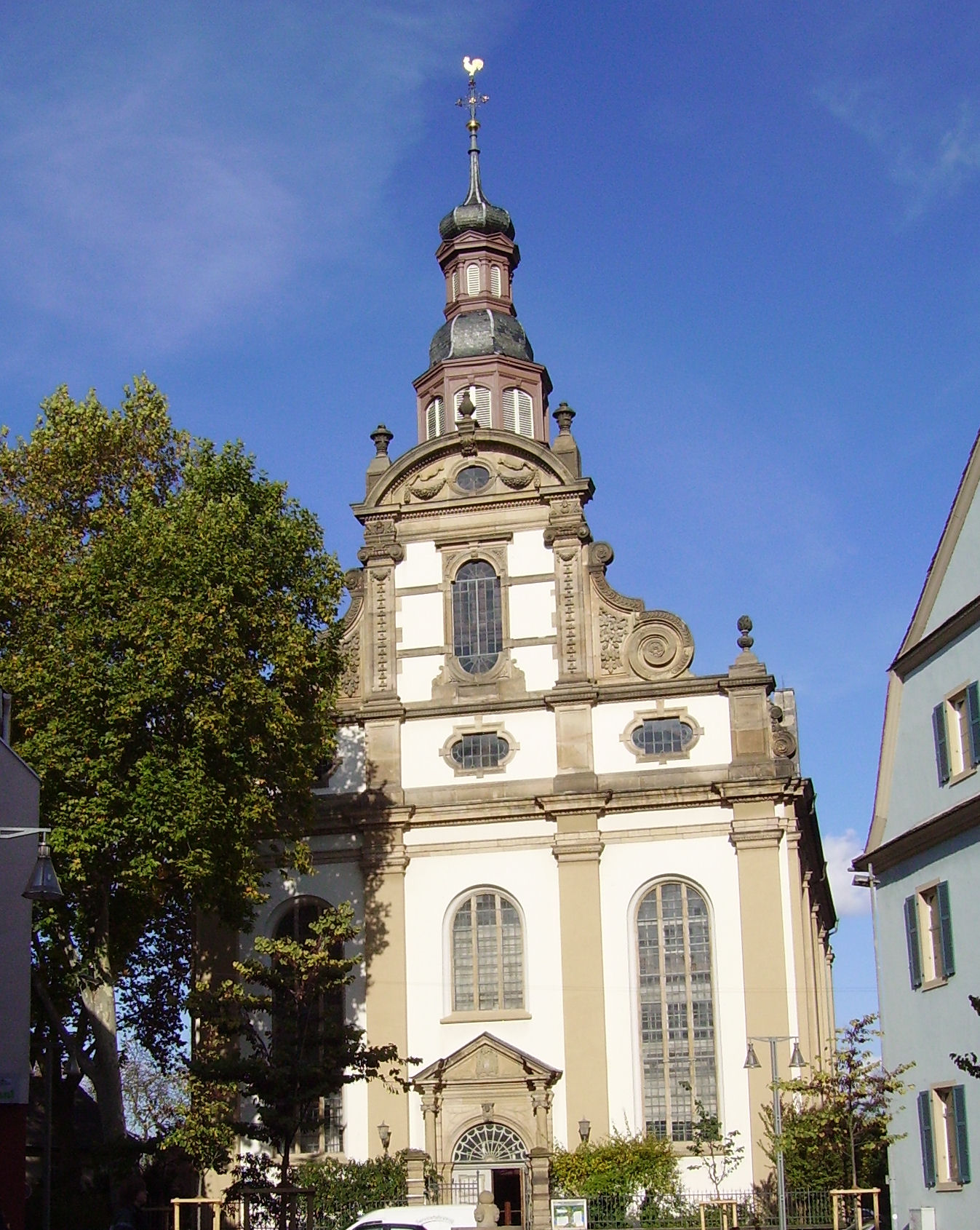
The Dreifaltigkeitskirche, or Church of the Holy Trinity, stands as a prominent architectural landmark in Speyer, Germany. Renowned as one of the most significant Lutheran Baroque churches in the Palatinate region, the structure serves as a testament to 18th-century ecclesiastical design. Visitors to this site are often drawn by its ornate interior, which features intricate woodwork, a historic organ, and a beautifully preserved nave that reflects the theological emphasis on light and clarity during the Baroque period. When planning your trip ideas in this historic city, the church remains a must-see for those interested in religious art and German architectural history. The building's exterior, characterized by its imposing presence, provides a stark contrast to the surrounding urban landscape of Speyer. Guests can expect a serene atmosphere conducive to quiet reflection, as well as opportunities to appreciate the craftsmanship of the period. For those looking for local attractions that offer a blend of historical depth and aesthetic beauty, the Dreifaltigkeitskirche provides a compelling experience. Whether you are an architecture enthusiast or a casual traveler, this site offers a unique window into the cultural life of the region. As you explore the city, ensure you check the local forecast before visiting, as the best time to experience the interior light is typically during the morning or early afternoon hours.
General information
The Dreifaltigkeitskirche, or Church of the Holy Trinity, stands as a prominent architectural landmark in Speyer, Germany. Renowned as one of the most significant Lutheran Baroque churches in the Palatinate region, the structure serves as a testament to 18th-century ecclesiastical design. Visitors to this site are often drawn by its ornate interior, which features intricate woodwork, a historic organ, and a beautifully preserved nave that reflects the theological emphasis on light and clarity during the Baroque period. When planning your trip ideas in this historic city, the church remains a must-see for those interested in religious art and German architectural history. The building's exterior, characterized by its imposing presence, provides a stark contrast to the surrounding urban landscape of Speyer. Guests can expect a serene atmosphere conducive to quiet reflection, as well as opportunities to appreciate the craftsmanship of the period. For those looking for local attractions that offer a blend of historical depth and aesthetic beauty, the Dreifaltigkeitskirche provides a compelling experience. Whether you are an architecture enthusiast or a casual traveler, this site offers a unique window into the cultural life of the region. As you explore the city, ensure you check the local forecast before visiting, as the best time to experience the interior light is typically during the morning or early afternoon hours.
Did you know
- The church was built between 1701 and 1717.
- It is considered a masterpiece of the Baroque style in the Palatinate.
- The church survived the city's destruction during the War of the Grand Alliance.
History
The Dreifaltigkeitskirche was constructed between 1701 and 1717 following the devastating destruction of Speyer by French troops during the War of the Grand Alliance in 1689. Built to serve the Lutheran community, the church was designed to symbolize resilience and religious renewal. Its construction was a major undertaking for the city, which was slowly rebuilding its identity after the conflict. The church has undergone various restorations over the centuries to preserve its original Baroque aesthetic, maintaining its status as a vital historical monument in the heart of Speyer.
Cultural significance
As a Lutheran Baroque church, the Dreifaltigkeitskirche holds significant cultural and religious importance in the Palatinate. It represents a period of transition and reconstruction in Speyer, serving as a spiritual anchor for the community. The church is not only a place of worship but also a venue for high-quality sacred music, thanks to its exceptional acoustics and historic organ. It stands as a symbol of the city's enduring heritage and the artistic achievements of the early 18th century.
Geography and landscape
The Dreifaltigkeitskirche is located in the historic center of Speyer, Germany, a city situated on the left bank of the Rhine river. The church is integrated into the traditional urban layout, surrounded by the charming, narrow streets and historic architecture characteristic of this ancient city. Its location allows for easy access to other nearby cultural sites within the city center. The surrounding landscape is largely defined by the dense urban fabric of Speyer, which has preserved much of its medieval and early modern layout.
More facts
- Imported from OSM batch
Visitor links
Nearby attractions
- Ölberg 231 m
- Marienstatue 234 m
- Nikolausstatue 247 m
- Altpörtel 527 m
- Antonov AN-22 882 m
- Antonov AN-22 882 m
- Mil Mi-8T 883 m
- U9 898 m