Domus de Janas Funtana Su Rettori
IT
- Location
- IT
- Category
- heritage historic sites
- Coordinates
- 39.8432893, 9.6254738
- Best time
- Morning or early afternoon
- Weather tip
- Check the local forecast before visiting.
Overview
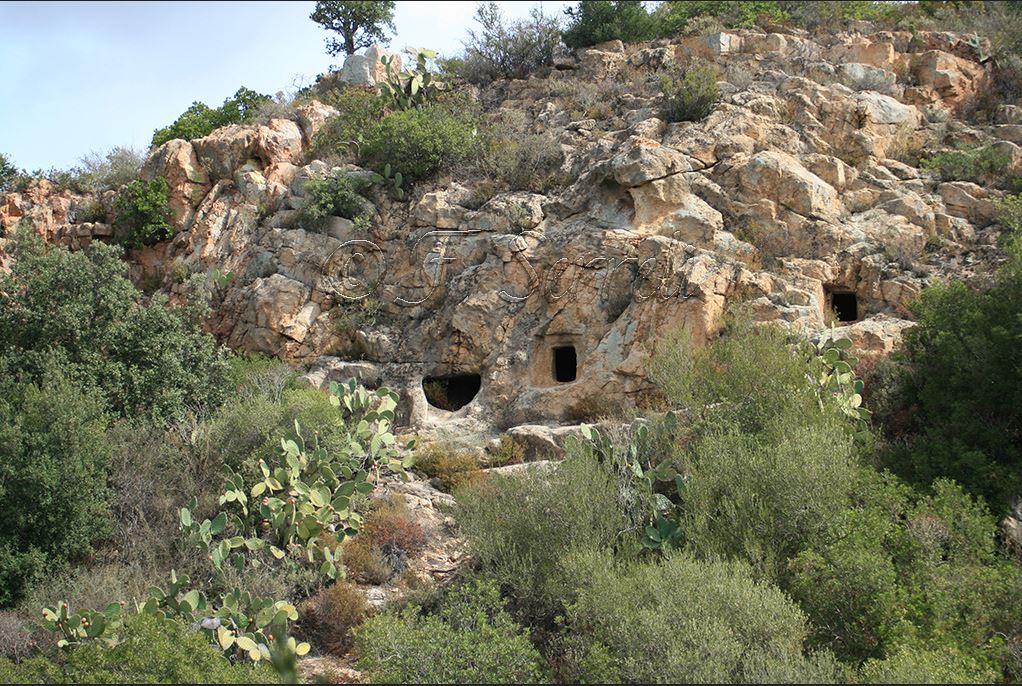
The Domus de Janas Funtana Su Rettori represents a significant archaeological site within the context of prehistoric Sardinia. These structures, known as 'houses of the fairies' or 'houses of the spirits' in Sardinian folklore, are rock-cut chamber tombs dating back to the Ozieri culture, typically spanning the late Neolithic to the early Bronze Age. Visitors to this site can expect to explore ancient funerary architecture carved directly into the limestone outcrops, providing a tangible connection to the island’s early inhabitants. These hypogeic tombs often feature sophisticated architectural details, such as carved portals, decorative motifs, and multiple chambers designed to hold the remains of the deceased. Exploring these sites offers unique insight into the ritualistic and social complexities of prehistoric Mediterranean societies. For those planning their itinerary, these tombs serve as essential landmarks for history enthusiasts seeking to understand the island's deep past. When considering trip ideas in the region, the Funtana Su Rettori site provides a quiet, contemplative experience away from more modernized tourist hubs. Visitors are encouraged to research local archaeological maps to locate the site accurately, as many such features are situated in rural, unpaved landscapes. As you explore the area, you will find that these ancient monuments are integral to the cultural heritage of the Sardinian landscape, offering a window into a civilization that predates the famous Nuragic towers.
General information
The Domus de Janas Funtana Su Rettori represents a significant archaeological site within the context of prehistoric Sardinia. These structures, known as 'houses of the fairies' or 'houses of the spirits' in Sardinian folklore, are rock-cut chamber tombs dating back to the Ozieri culture, typically spanning the late Neolithic to the early Bronze Age. Visitors to this site can expect to explore ancient funerary architecture carved directly into the limestone outcrops, providing a tangible connection to the island’s early inhabitants. These hypogeic tombs often feature sophisticated architectural details, such as carved portals, decorative motifs, and multiple chambers designed to hold the remains of the deceased. Exploring these sites offers unique insight into the ritualistic and social complexities of prehistoric Mediterranean societies. For those planning their itinerary, these tombs serve as essential landmarks for history enthusiasts seeking to understand the island's deep past. When considering trip ideas in the region, the Funtana Su Rettori site provides a quiet, contemplative experience away from more modernized tourist hubs. Visitors are encouraged to research local archaeological maps to locate the site accurately, as many such features are situated in rural, unpaved landscapes. As you explore the area, you will find that these ancient monuments are integral to the cultural heritage of the Sardinian landscape, offering a window into a civilization that predates the famous Nuragic towers.
Did you know
- The term 'Domus de Janas' originates from Sardinian folklore, where these tombs were believed to be the dwellings of magical, fairy-like creatures.
- These structures were carved by hand using stone and obsidian tools during the Neolithic period.
- Many Domus de Janas contain symbolic carvings, such as stylized bull horns, representing the cult of the bull deity.
History
The Domus de Janas are attributed to the Ozieri culture, which flourished in Sardinia between approximately 3500 and 2700 BCE. These hypogeic tombs were excavated into the rock faces by Neolithic communities to serve as communal or individual burial sites. Over centuries, the architectural style evolved, moving from simple single-chamber designs to complex multi-room structures that mimicked the layout of contemporary domestic dwellings. The precise chronological sequence of the Funtana Su Rettori site is part of a broader archaeological study of Sardinian pre-Nuragic funerary customs.
Cultural significance
These sites hold immense cultural value as primary evidence of the spiritual and social organization of prehistoric Sardinians. The transition from simple burials to elaborate, decorated rock-cut tombs suggests a sophisticated belief system regarding the afterlife and the veneration of ancestors. The persistence of the 'Janas' folklore in local oral traditions highlights how these ancient physical structures have remained embedded in the cultural identity of the island for millennia, bridging the gap between the archaeological record and modern regional mythology.
Geography and landscape
The Domus de Janas Funtana Su Rettori is typically situated within the rugged, limestone-rich landscape characteristic of inland Sardinia. The site is often found on hillsides or near rocky outcrops where the geological formation allowed for the carving of chambers. The surrounding environment is generally characterized by Mediterranean scrub, known as macchia, and rolling terrain that has remained largely agricultural or pastoral for centuries. Access to such sites usually involves traversing rural paths, offering a serene, natural setting that emphasizes the isolation and sanctity of the original burial grounds.
More facts
- Imported from OSM batch
Visitor links
Nearby attractions
- Monumento naturale Scala di San Giorgio di Osini Osini - 12045 m