Cotton Merchant's Gate
Jerusalem, IL

- Location
- Jerusalem, IL
- Category
- heritage historic sites
- Coordinates
- 31.778, 35.234195
- Best time
- Morning or early afternoon
- Weather tip
- Check the local forecast before visiting.
Overview
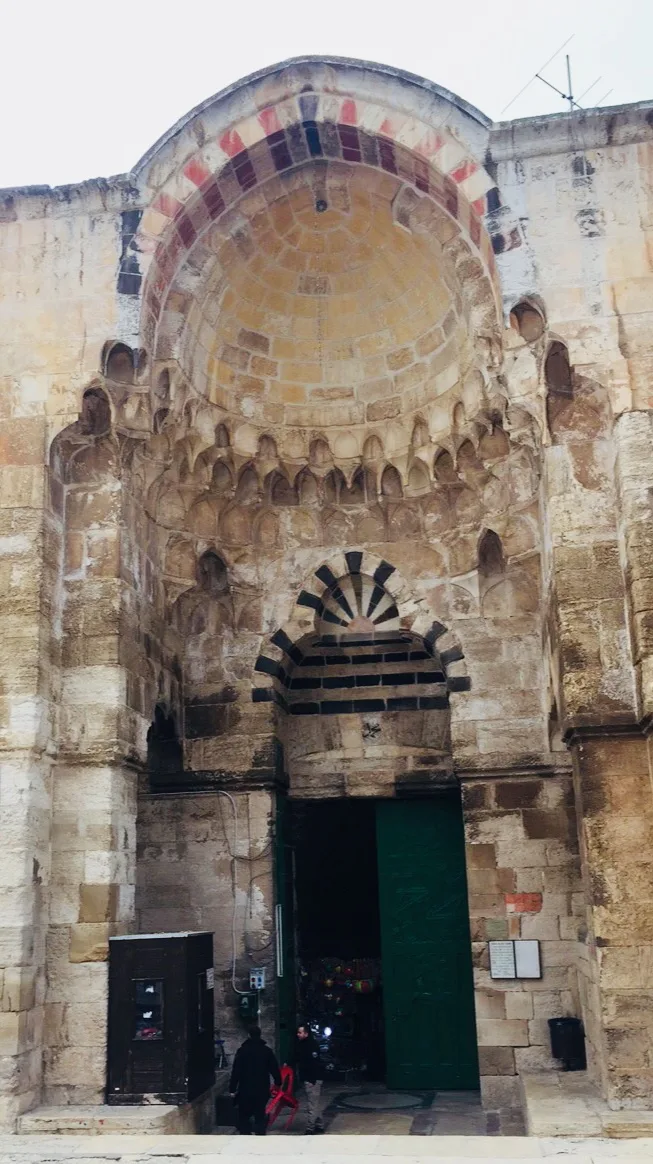
The Cotton Merchant’s Gate, known in Arabic as Bab al-Qattanin, stands as one of the most architecturally significant entrances to the Al-Aqsa Mosque compound on the Temple Mount in Jerusalem. Dating back to the Mamluk period, specifically the 14th century, this gate is celebrated for its intricate stonework and sophisticated design, which distinguishes it from the other entrances to the site. Visitors interested in historical architecture often prioritize this location when exploring the Old City, as it provides a direct path from the bustling Cotton Merchants' Market into the sacred enclosure. The gate is characterized by its deep, vaulted recess and elaborate muqarnas (stalactite-like carvings), which demonstrate the high level of craftsmanship prevalent during the reign of Sultan An-Nasir Muhammad ibn Qalawun. As you navigate the winding alleys of the Muslim Quarter, the gate serves as a landmark of medieval Islamic urban planning. It is an essential stop for those seeking to understand the layered history of the city, and it remains a popular highlight among various places to visit within the Old City walls. The surrounding market area offers a unique glimpse into the traditional commercial life of Jerusalem, making it a perfect addition to your trip ideas for an immersive cultural experience.
General information
The Cotton Merchant’s Gate, known in Arabic as Bab al-Qattanin, stands as one of the most architecturally significant entrances to the Al-Aqsa Mosque compound on the Temple Mount in Jerusalem. Dating back to the Mamluk period, specifically the 14th century, this gate is celebrated for its intricate stonework and sophisticated design, which distinguishes it from the other entrances to the site. Visitors interested in historical architecture often prioritize this location when exploring the Old City, as it provides a direct path from the bustling Cotton Merchants' Market into the sacred enclosure. The gate is characterized by its deep, vaulted recess and elaborate muqarnas (stalactite-like carvings), which demonstrate the high level of craftsmanship prevalent during the reign of Sultan An-Nasir Muhammad ibn Qalawun. As you navigate the winding alleys of the Muslim Quarter, the gate serves as a landmark of medieval Islamic urban planning. It is an essential stop for those seeking to understand the layered history of the city, and it remains a popular highlight among various places to visit within the Old City walls. The surrounding market area offers a unique glimpse into the traditional commercial life of Jerusalem, making it a perfect addition to your trip ideas for an immersive cultural experience.
Did you know
- The gate is named after the nearby Cotton Merchants' Market, which was a center for the textile trade in the medieval period.
- The intricate muqarnas vaulting is considered one of the finest examples of Mamluk architecture in Jerusalem.
- The gate was commissioned by the Mamluk governor Tankiz in the 14th century.
History
The Cotton Merchant’s Gate was constructed between 1333 and 1336 CE under the patronage of Tankiz, the Mamluk governor of Damascus and a major benefactor in Jerusalem. His architectural projects were designed to solidify Mamluk influence in the city. The gate was specifically built to provide a grand, monumental entrance from the commercial markets to the Haram al-Sharif (Temple Mount). The structural integrity and ornamental details have survived remarkably well, reflecting the high standards of 14th-century masonry. It stands as a testament to the period when the Mamluk Sultanate invested heavily in the urban infrastructure of Jerusalem, creating a lasting legacy that defines the architectural character of the Old City today.
Cultural significance
The gate holds immense cultural value as a primary architectural expression of the Mamluk era in Jerusalem. Beyond its functional role as an entry point, it serves as a symbolic bridge between the secular commercial world of the market and the spiritual sanctity of the Al-Aqsa Mosque compound. The craftsmanship, particularly the use of ablaq (alternating colored stone) and the elaborate stone-carved stalactites, signifies the prestige and piety of its patron. For the local community and visitors alike, it remains a focal point for understanding the historical intersection of trade, religion, and art that has defined Jerusalem for centuries.
Geography and landscape
The Cotton Merchant’s Gate is situated within the dense urban fabric of the Old City of Jerusalem, specifically within the Muslim Quarter. It is located at the western end of the Cotton Merchants' Market (Suq al-Qattanin), a covered street that leads directly to the western wall of the Temple Mount. The surrounding area is characterized by narrow, stone-paved alleys, vaulted ceilings, and historic residential and commercial structures that have remained largely unchanged for centuries. The gate itself acts as a transition point, opening from the enclosed, shaded atmosphere of the market into the expansive, open plaza of the Temple Mount, creating a dramatic shift in perspective and light.
More facts
- Imported from OSM batch
Visitor links
Nearby attractions
- Iron Gate Jerusalem - 44 m
- Gate of the Chain Jerusalem - 74 m
- Well of Souls Jerusalem - 102 m
- Dome of the Rock Jerusalem - 105 m
- Siege of Jerusalem (70 AD) Jerusalem - 108 m
- Western Wall Jerusalem - 117 m
- Gate of the Watchman Jerusalem - 128 m
- Battle of Jerusalem (1917) Jerusalem - 129 m