Chilia lui Dionisie Torcătorul
RO
- Location
- RO
- Category
- viewpoints natural phenomena
- Coordinates
- 45.4233129, 26.4370544
- Best time
- Morning or early afternoon
- Weather tip
- Check the local forecast before visiting.
Overview
The Cell of Dionisie the Spinner (Chilia lui Dionisie Torcătorul) is a historical site of profound ascetic significance, dating back to the second half of the 14th century. Located in the rugged landscapes of Romania, this site marks the place where the hermit Dionisie, known as 'the Spinner' (Torcătorul), practiced hesychasm—a mystical tradition of prayer in the Eastern Orthodox Church. Visitors interested in medieval religious history and the ascetic life of the early Romanian hermits will find this site a compelling destination. As one of the notable places to visit for those exploring the country’s spiritual heritage, the cell offers a glimpse into the solitary lives of anchorites who sought spiritual enlightenment in remote, natural retreats. While the site is modest in its physical remains, its historical weight is substantial, representing a period when monasticism flourished in the seclusion of the wilderness. When planning your trip ideas for exploring Romania’s hidden historical gems, this site provides a quiet, reflective stop. The journey to the cell often rewards visitors with serene natural vistas, emphasizing the isolation sought by its original occupant. It is recommended to visit during the morning or early afternoon to take full advantage of the natural light and to ensure a safe trek through the surrounding terrain. Always check local weather conditions before setting out, as the path to such historical retreats can be sensitive to environmental changes.
General information
The Cell of Dionisie the Spinner (Chilia lui Dionisie Torcătorul) is a historical site of profound ascetic significance, dating back to the second half of the 14th century. Located in the rugged landscapes of Romania, this site marks the place where the hermit Dionisie, known as 'the Spinner' (Torcătorul), practiced hesychasm—a mystical tradition of prayer in the Eastern Orthodox Church. Visitors interested in medieval religious history and the ascetic life of the early Romanian hermits will find this site a compelling destination. As one of the notable places to visit for those exploring the country’s spiritual heritage, the cell offers a glimpse into the solitary lives of anchorites who sought spiritual enlightenment in remote, natural retreats. While the site is modest in its physical remains, its historical weight is substantial, representing a period when monasticism flourished in the seclusion of the wilderness. When planning your trip ideas for exploring Romania’s hidden historical gems, this site provides a quiet, reflective stop. The journey to the cell often rewards visitors with serene natural vistas, emphasizing the isolation sought by its original occupant. It is recommended to visit during the morning or early afternoon to take full advantage of the natural light and to ensure a safe trek through the surrounding terrain. Always check local weather conditions before setting out, as the path to such historical retreats can be sensitive to environmental changes.
Did you know
- Dionisie was known as 'the Spinner' because he reportedly occupied his time with spinning wool while maintaining his hesychastic prayer practice.
- Hesychasm is a tradition of contemplative prayer involving the repetition of the 'Jesus Prayer' to achieve inner stillness.
- The cell dates back approximately 700 years to the 14th century, a formative era for Romanian monasticism.
History
The cell dates to the second half of the 14th century, a period characterized by the expansion of hesychastic practices in the Orthodox world. Dionisie the Spinner lived as an anchorite, a form of monasticism where the individual withdraws from society to live in solitude and prayer. This site serves as a physical testament to the medieval tradition of 'sihăstria' (hermitage) in Romania, where monks sought remote areas to practice deep contemplation, far removed from the political and social structures of the time. The preservation of this site offers historians insight into the distribution and lifestyle of 14th-century hermits.
Cultural significance
The site is culturally significant as a monument to the hesychastic movement, which played a vital role in the spiritual life of medieval Romania. Dionisie the Spinner represents the archetypal hermit whose life of manual labor—spinning—combined with constant prayer, became a model for later generations of monastics. The site remains a point of interest for those studying the intersection of Romanian history, Orthodox spirituality, and the ascetic traditions that shaped the cultural identity of the region for centuries.
Geography and landscape
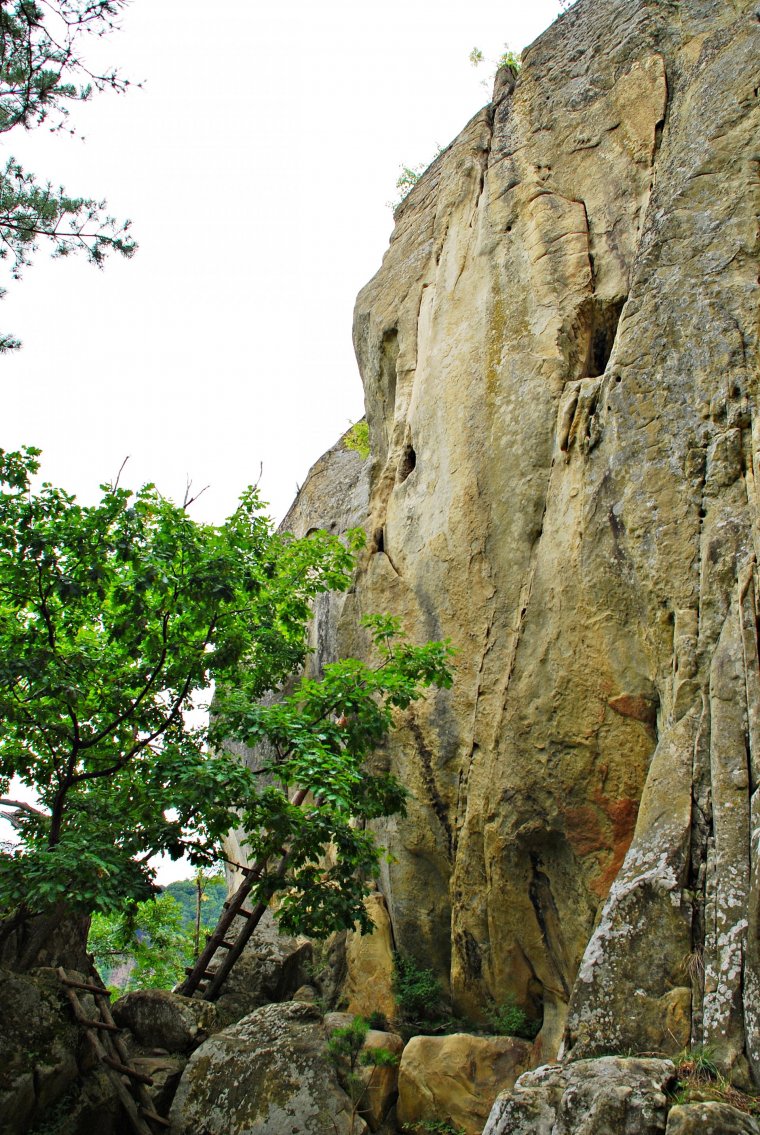
The cell is situated in a remote, rugged natural setting, typical of the locations chosen by medieval hermits for their seclusion. The terrain is characterized by natural formations that provided shelter and a barrier against the elements and the outside world. The surrounding landscape is generally mountainous or hilly, offering quiet, expansive views that underscore the solitude of the hermit's life. Accessing the site usually involves traversing paths that reflect the natural topography, requiring visitors to be mindful of the local terrain and weather patterns.
More facts
- Imported from OSM batch