Charles Clore Park
Tel-Aviv, IL

- Location
- Tel-Aviv, IL
- Category
- urban nature
- Coordinates
- 32.061437, 34.759815
- Best time
- Morning or early afternoon
- Weather tip
- Check the local forecast before visiting.
Overview
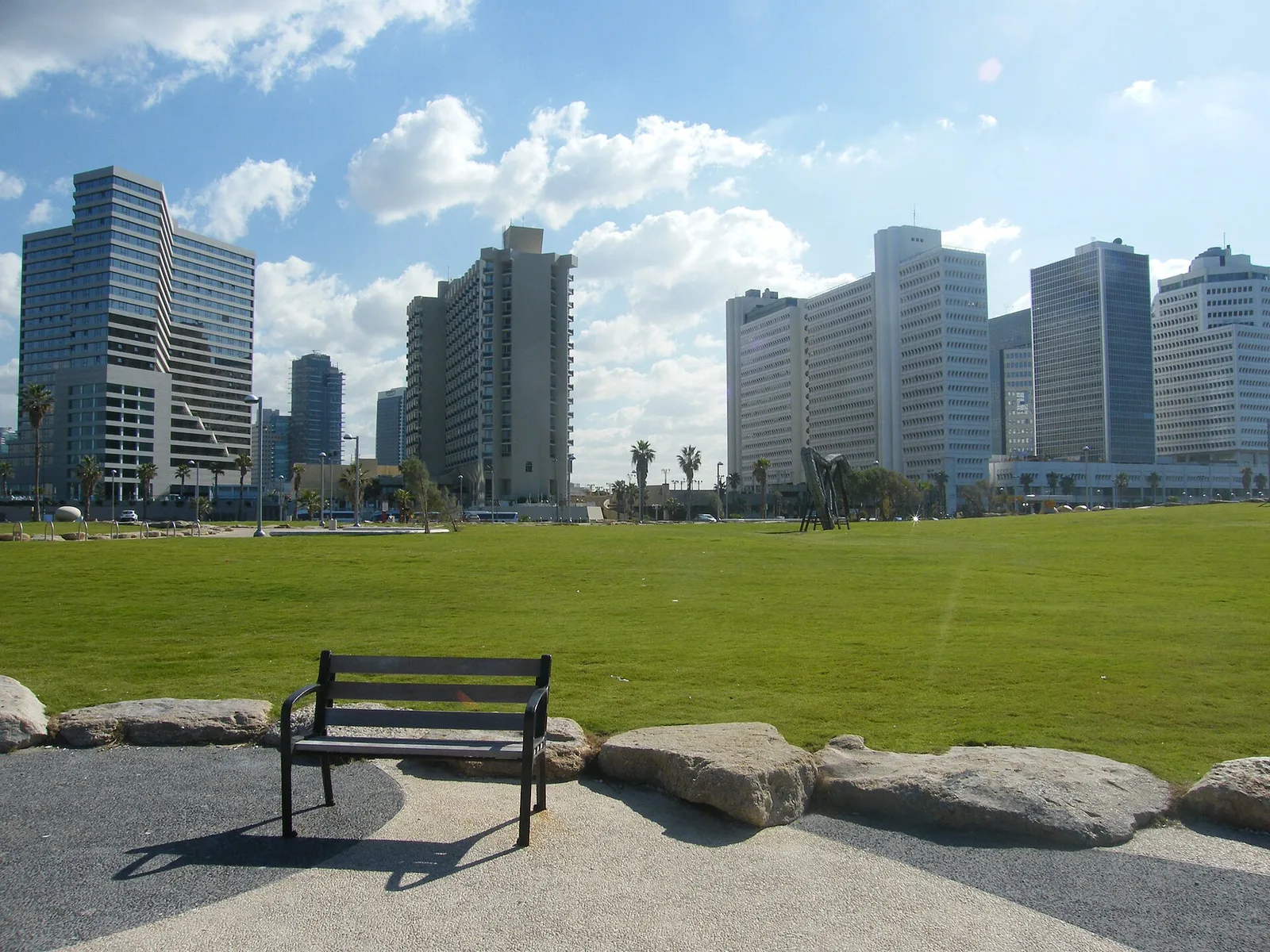
Charles Clore Park is a prominent seaside public space stretching along the Mediterranean coastline of Tel Aviv, serving as a vital green lung between the historic neighborhood of Neve Tzedek and the ancient port of Jaffa. Established in the 1970s on land reclaimed from the sea and the debris of the former Manshiya neighborhood, the park offers visitors a unique blend of manicured lawns, modern sculpture, and panoramic maritime views. As one of the most popular places to visit for both residents and tourists, the park provides a seamless transition from the urban bustle to the tranquil sounds of the waves. Visitors can expect wide-open spaces perfect for picnics, dedicated cycling paths, and specialized fitness areas. The promenade that runs through the park is a central artery for those seeking trip ideas along the coast, connecting the northern beaches to the southern historic sites. Whether you are looking for a spot to watch the sunset or a place for morning exercise, the park's design emphasizes accessibility and the natural beauty of the Israeli shoreline.
General information
Charles Clore Park is a prominent seaside public space stretching along the Mediterranean coastline of Tel Aviv, serving as a vital green lung between the historic neighborhood of Neve Tzedek and the ancient port of Jaffa. Established in the 1970s on land reclaimed from the sea and the debris of the former Manshiya neighborhood, the park offers visitors a unique blend of manicured lawns, modern sculpture, and panoramic maritime views. As one of the most popular places to visit for both residents and tourists, the park provides a seamless transition from the urban bustle to the tranquil sounds of the waves. Visitors can expect wide-open spaces perfect for picnics, dedicated cycling paths, and specialized fitness areas. The promenade that runs through the park is a central artery for those seeking trip ideas along the coast, connecting the northern beaches to the southern historic sites. Whether you are looking for a spot to watch the sunset or a place for morning exercise, the park's design emphasizes accessibility and the natural beauty of the Israeli shoreline.
Did you know
- The park is named after Charles Clore, a British financier and philanthropist who was a major supporter of Israeli institutions.
- The land beneath your feet was largely created from the rubble of the Manshiya neighborhood, which was demolished in the mid-20th century.
- The park serves as the primary venue for the annual Tel Aviv Pride Parade beach party, one of the largest events in the region.
- A distinct concrete sculpture by Ilan Averbuch, featuring a massive stone 'gate,' stands as a landmark within the park's grounds.
History
The history of Charles Clore Park is inextricably linked to the transformation of the Manshiya neighborhood. Originally a bustling residential and commercial area connecting Jaffa and Tel Aviv, Manshiya saw heavy fighting during the 1948 Arab-Israeli War. In the following decades, the city decided to clear the ruins to create a modern business district and public space. The park was officially opened in 1974, designed by landscape architect Hillel Omer (better known as the poet 'Ayin Hillel'). The project was a significant engineering feat, involving the reclamation of land from the Mediterranean Sea. Over the years, the park has undergone several renovations to improve its facilities, including the addition of the Etzel Museum, which is housed in one of the few remaining original buildings of the old neighborhood, providing a stark chronological contrast to the modern parkland.
Cultural significance
Charles Clore Park holds significant cultural weight as a site of collective memory and modern recreation. It represents the successful urban renewal of a conflict-scarred zone into a peaceful communal space. Culturally, it acts as a bridge between the old-world charm of Jaffa and the modern, high-paced energy of Tel Aviv. The park is a frequent host to large-scale public festivals, food markets, and political rallies, reflecting the diverse social fabric of the city. Its position on the water makes it a symbolic 'front yard' for Tel Avivians, embodying the city's secular, outdoor-oriented lifestyle. The presence of the Etzel Museum on its southern edge also ensures that the site remains a point of historical reflection regarding the founding of the State of Israel.
Geography and landscape
Geographically, the park occupies a narrow strip of approximately 30 acres along the Mediterranean coast. Its landscape is characterized by a series of gentle, man-made grassy mounds designed to provide wind protection while offering elevated views of the sea. The terrain is flat and accessible, featuring a mix of paved walkways, a coastal promenade, and sandy patches near the water's edge. To the east, the park is bordered by the skyscrapers of the Tel Aviv textile district and the Neve Tzedek neighborhood, while its southern tip offers a clear view of the Jaffa hill. The vegetation consists mainly of salt-resistant grasses and hardy coastal flora, chosen to withstand the constant sea spray and Mediterranean sun.
More facts
- Imported from OSM batch
Visitor links
Nearby attractions
- Beit Gidi Tel-Aviv - 273 m
- Israel Defense Forces History Museum Tel Aviv - 336 m
- HaTachana Tel-Aviv - 349 m
- Suzanne Dallal Dance Center Tel-Aviv - 433 m
- Alfred Institute Tel Aviv - 490 m
- American–German Colony Tel-Aviv - 600 m
- Maine Friendship House Tel-Aviv - 616 m
- Lorenz Cafe Tel-Aviv - 665 m