Château de Ramioul
BE
- Location
- BE
- Category
- heritage historic sites
- Coordinates
- 50.584478, 5.42808
- Best time
- Morning or early afternoon
- Weather tip
- Check the local forecast before visiting.
Overview
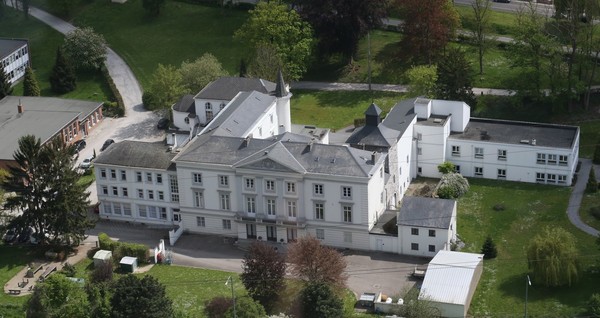
The Château de Ramioul stands as a significant example of architectural evolution in Belgium, characterized primarily by its imposing 17th-century gatehouse tower. While the original fortification served as a defensive and residential structure typical of the era, the main body of the château underwent an extensive and complete reconstruction during the 19th century. This transition reflects the broader European trend of the period, where older defensive structures were modernized to align with the aesthetic and functional preferences of the Romantic era. Visitors to the site can observe the striking contrast between the preserved 17th-century masonry of the entrance and the 19th-century stylistic elements that define the current residence. As one of the notable historic sites in the region, it serves as a valuable case study for those interested in the layers of Belgian architectural history. When planning your visit, it is recommended to arrive in the morning or early afternoon to take full advantage of the natural light, which highlights the distinct masonry techniques used across different centuries. For those seeking unique trip ideas, the château offers a quiet, contemplative atmosphere that stands apart from more crowded urban tourist hubs. Whether you are an architectural enthusiast or simply exploring the heritage of the Belgian countryside, the site provides a clear, verifiable record of how aristocratic residences adapted to the changing societal demands of the 1800s.
General information
The Château de Ramioul stands as a significant example of architectural evolution in Belgium, characterized primarily by its imposing 17th-century gatehouse tower. While the original fortification served as a defensive and residential structure typical of the era, the main body of the château underwent an extensive and complete reconstruction during the 19th century. This transition reflects the broader European trend of the period, where older defensive structures were modernized to align with the aesthetic and functional preferences of the Romantic era. Visitors to the site can observe the striking contrast between the preserved 17th-century masonry of the entrance and the 19th-century stylistic elements that define the current residence. As one of the notable historic sites in the region, it serves as a valuable case study for those interested in the layers of Belgian architectural history. When planning your visit, it is recommended to arrive in the morning or early afternoon to take full advantage of the natural light, which highlights the distinct masonry techniques used across different centuries. For those seeking unique trip ideas, the château offers a quiet, contemplative atmosphere that stands apart from more crowded urban tourist hubs. Whether you are an architectural enthusiast or simply exploring the heritage of the Belgian countryside, the site provides a clear, verifiable record of how aristocratic residences adapted to the changing societal demands of the 1800s.
Did you know
- The site features a rare, surviving 17th-century gatehouse tower.
- The entire main structure of the château was rebuilt during the 19th century.
- The architectural style reflects a transition from defensive fortification to a 19th-century residence.
History
The history of the Château de Ramioul is defined by its two distinct phases of construction. The 17th-century gatehouse tower represents the earliest surviving architectural core, indicating the site's origins as a fortified residence. During the 19th century, the original main house was demolished and entirely rebuilt. This period of reconstruction was common among the Belgian nobility, who sought to replace older, drafty, or outdated defensive structures with more comfortable, aesthetically pleasing residences that reflected the architectural fashions of the time, such as Neo-Gothic or Neoclassical influences common in 19th-century Belgium.
Cultural significance
The château serves as a physical record of the shifting priorities of the landed gentry in Belgium. By retaining the 17th-century gatehouse while completely updating the residential quarters in the 19th century, the owners demonstrated a desire to maintain a link to their ancestral heritage while embracing modern comforts. It stands as a testament to the preservation of historical masonry techniques and the architectural transition from the early modern period to the industrial era. It remains a point of interest for scholars of Belgian heritage and regional history.
Geography and landscape
The Château de Ramioul is situated in a rural or semi-rural setting, typical of the historic estates found throughout the Belgian landscape. The property is defined by its historic gatehouse, which acts as the primary visual anchor for the estate, leading into the grounds where the 19th-century residence is positioned. The surrounding terrain is characteristic of the Belgian countryside, providing a serene environment that has allowed the structure to remain preserved from the rapid urban development seen in larger city centers. Its location emphasizes the historical placement of estates near natural resources and agricultural lands.
More facts
- Imported from OSM batch
Visitor links
Nearby attractions
- Anciens fours à chaux 1389 m
- Parc des Tchafornis 1664 m
- Fours à chaux 1694 m
- Bunker de PFL4 1956 m
- Église Saint-Lambert 3569 m
- Château d'Oulhaye 4114 m
- Château de Warfusée 4114 m
- Fours à chaux 4177 m