Château de Libois
BE
- Location
- BE
- Category
- heritage historic sites
- Coordinates
- 50.415523, 5.197795
- Best time
- Morning or early afternoon
- Weather tip
- Check the local forecast before visiting.
Overview
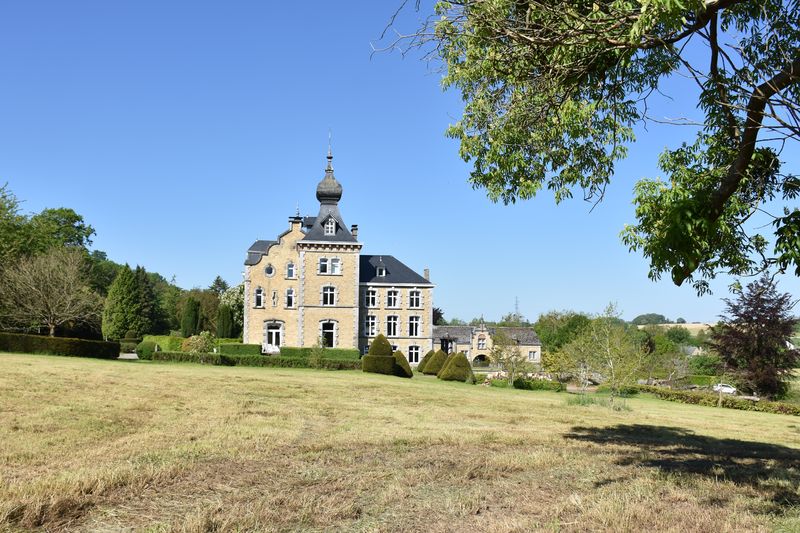
Château de Libois is a significant historical estate located in Belgium, representing a refined evolution of architectural styles spanning from the early 18th century to the 19th century. The current ensemble primarily reflects a 19th-century aesthetic, which was meticulously redesigned and expanded from an original structure established around 1721. For those seeking unique places to visit, the château offers a compelling look at the transition between the late Baroque era and the eclectic revivalist trends that defined Belgian aristocratic residences during the 1800s. Visitors can expect to explore a site that emphasizes structural longevity and historical continuity. While the property is a private heritage site, its exterior presence remains a notable landmark for those researching regional architecture or planning trip ideas that involve the exploration of historic Belgian manors. The estate serves as a testament to the evolving tastes of the local nobility, showcasing how original foundations were adapted to meet the changing functional and aesthetic requirements of successive generations. Whether you are an architecture enthusiast or a history buff, the site provides a quiet, contemplative atmosphere that stands apart from more commercialized tourist hubs. It is recommended to visit during the morning or early afternoon to capture the best light on the facade, and always ensure you check the local forecast before heading out to ensure a pleasant experience while observing this historic ensemble.
General information
Château de Libois is a significant historical estate located in Belgium, representing a refined evolution of architectural styles spanning from the early 18th century to the 19th century. The current ensemble primarily reflects a 19th-century aesthetic, which was meticulously redesigned and expanded from an original structure established around 1721. For those seeking unique places to visit, the château offers a compelling look at the transition between the late Baroque era and the eclectic revivalist trends that defined Belgian aristocratic residences during the 1800s. Visitors can expect to explore a site that emphasizes structural longevity and historical continuity. While the property is a private heritage site, its exterior presence remains a notable landmark for those researching regional architecture or planning trip ideas that involve the exploration of historic Belgian manors. The estate serves as a testament to the evolving tastes of the local nobility, showcasing how original foundations were adapted to meet the changing functional and aesthetic requirements of successive generations. Whether you are an architecture enthusiast or a history buff, the site provides a quiet, contemplative atmosphere that stands apart from more commercialized tourist hubs. It is recommended to visit during the morning or early afternoon to capture the best light on the facade, and always ensure you check the local forecast before heading out to ensure a pleasant experience while observing this historic ensemble.
Did you know
- The original structure of the château dates back to 1721.
- The site underwent a major redesign during the 19th century.
- The estate represents a classic example of Belgian architectural evolution over two centuries.
History
The history of Château de Libois is rooted in the early 18th century, with the initial construction of the edifice recorded around 1721. This original building served as the foundation for the property's later development. During the 19th century, the site underwent significant modifications and expansions, which transformed the architectural character of the ensemble. These alterations were reflective of the broader trends in 19th-century Belgian residential architecture, where older structures were often updated to incorporate contemporary aesthetic preferences and increased domestic comfort, effectively layering different historical periods within a single site.
Cultural significance
Château de Libois holds cultural significance as a representative example of the evolution of aristocratic estates in Belgium. The transition from its 1721 origins to its 19th-century form illustrates the changing social and aesthetic values of the period. By preserving the structural remnants of the early 18th century alongside 19th-century renovations, the site acts as a physical timeline of local heritage. It contributes to the cultural landscape of the region by maintaining a link to the architectural traditions and the historical lifestyle of the Belgian landed gentry, serving as a point of interest for those studying the preservation of historic manors.
Geography and landscape
The Château de Libois is situated within the Belgian landscape, characterized by its traditional rural or semi-rural setting typical of historic manor houses. The ensemble is designed to integrate with the surrounding terrain, often featuring landscaped grounds that complement the 19th-century architecture. The site's physical context emphasizes a quiet, secluded environment, allowing the structure to remain a focal point of the local topography. Its orientation and placement reflect the strategic and aesthetic choices made during its 18th-century inception and subsequent 19th-century modifications, ensuring the château remains a distinct presence within its immediate environment.
More facts
- Imported from OSM batch
Visitor links
Nearby attractions
- Château de Flostoy Flostoy - 3086 m
- Chapelle Saint-Laurent 5638 m
- Château de Modave 6919 m
- Château de Modave 6920 m
- Tumulus de Havelange 6996 m
- Station de pompage 7188 m
- Moulin de Survillers 7382 m
- Ferme de Survillers 7492 m