Château de Balmoral
BE
- Location
- BE
- Category
- heritage historic sites
- Coordinates
- 50.50717, 5.896375
- Best time
- Morning or early afternoon
- Weather tip
- Check the local forecast before visiting.
Overview
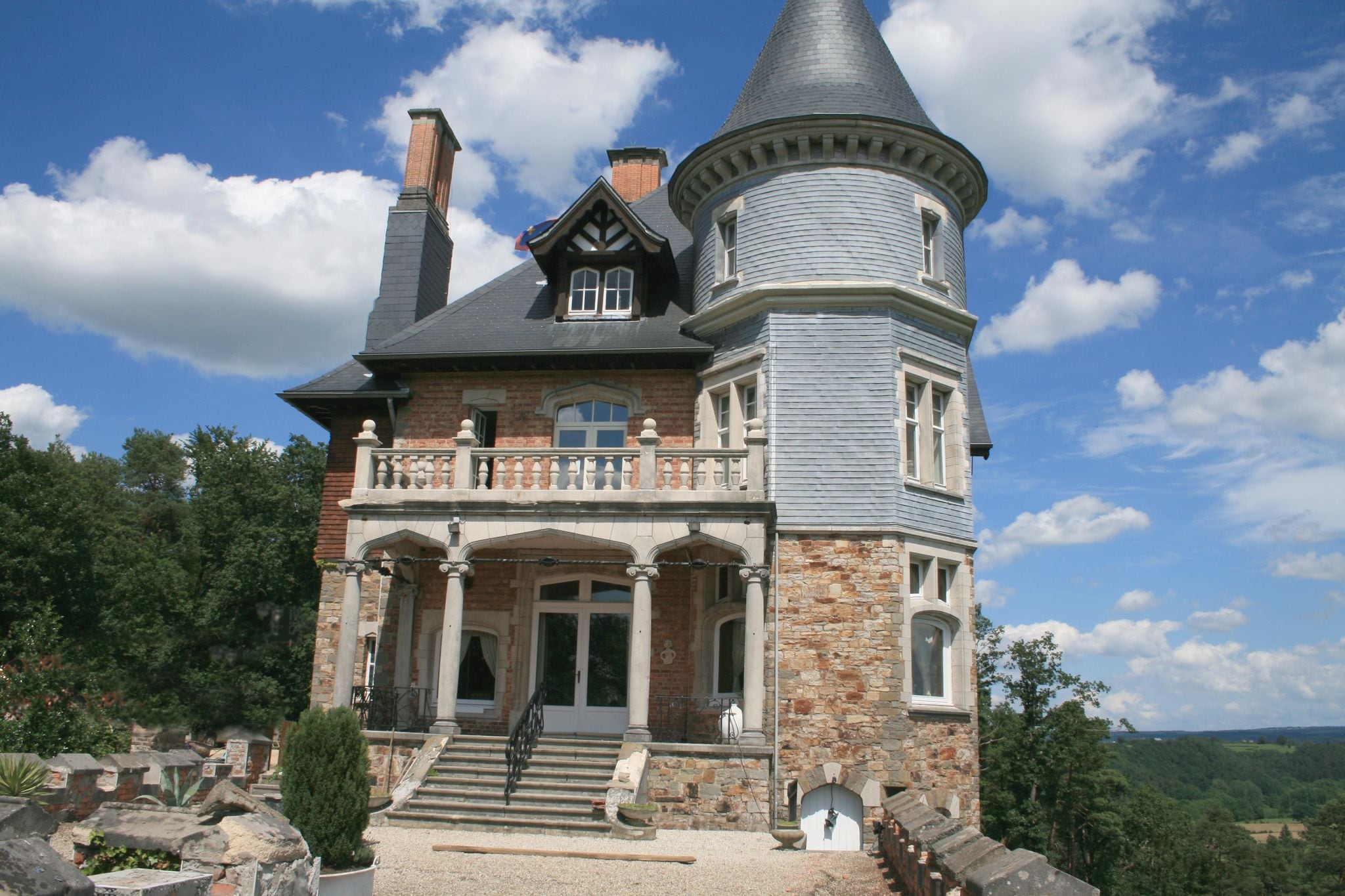
Château de Balmoral, located in the Belgian Ardennes near the town of Spa, stands as a notable example of 20th-century architectural ambition. Constructed in 1933, the château was designed by the architect Marcel Davreux, who drew inspiration from the traditional styles of the region while incorporating the modern sensibilities of the interwar period. Visitors to this site are primarily drawn to its commanding position, which offers expansive views over the surrounding forested valleys, making it a distinct choice for those looking for places to visit in the Belgian countryside. While the structure is a private estate and not always open for full public interior tours, its exterior architecture and the surrounding landscape remain a focal point for architectural enthusiasts and those interested in the history of the Spa region. As you plan your itinerary, consider this site as one of the essential local attractions for those exploring the heritage of the Wallonia region. The site is best enjoyed during the morning or early afternoon when the light enhances the textures of the stone masonry. Before planning your visit, it is advisable to check local listings for accessibility, as the property's status as a private venue can influence public access. Whether you are an architecture buff or simply seeking a scenic stop, the Château de Balmoral provides a unique glimpse into the aesthetic values of the 1930s in Belgium.
General information
Château de Balmoral, located in the Belgian Ardennes near the town of Spa, stands as a notable example of 20th-century architectural ambition. Constructed in 1933, the château was designed by the architect Marcel Davreux, who drew inspiration from the traditional styles of the region while incorporating the modern sensibilities of the interwar period. Visitors to this site are primarily drawn to its commanding position, which offers expansive views over the surrounding forested valleys, making it a distinct choice for those looking for places to visit in the Belgian countryside. While the structure is a private estate and not always open for full public interior tours, its exterior architecture and the surrounding landscape remain a focal point for architectural enthusiasts and those interested in the history of the Spa region. As you plan your itinerary, consider this site as one of the essential local attractions for those exploring the heritage of the Wallonia region. The site is best enjoyed during the morning or early afternoon when the light enhances the textures of the stone masonry. Before planning your visit, it is advisable to check local listings for accessibility, as the property's status as a private venue can influence public access. Whether you are an architecture buff or simply seeking a scenic stop, the Château de Balmoral provides a unique glimpse into the aesthetic values of the 1930s in Belgium.
Did you know
- The château was built in 1933, a period when the town of Spa was experiencing a resurgence in popularity among the European elite.
- The design by Marcel Davreux intentionally blends regional Ardennes architectural motifs with the cleaner, more streamlined lines of the early 20th century.
- The property is situated on a high ridge, providing a strategic vantage point overlooking the valley of the Wayai stream.
History
Château de Balmoral was constructed in 1933. It represents a specific era of Belgian domestic architecture during the interwar period. Commissioned during a time when the Spa region was highly regarded for its thermal waters and luxury tourism, the château was designed to serve as a high-end residence. Architect Marcel Davreux was tasked with creating a structure that felt rooted in the local landscape while reflecting the contemporary architectural trends of the 1930s. Unlike the medieval castles found elsewhere in Belgium, Balmoral is a 20th-century creation, serving as a testament to the period's wealth and the architectural shift toward modernized traditionalism.
Cultural significance
The cultural significance of Château de Balmoral lies in its role as a representative of the architectural evolution in the Belgian Ardennes. It serves as a physical record of the interwar period's aesthetic preferences, where the regional identity of the Ardennes—characterized by the use of local stone and steep roof pitches—was reinterpreted through a modern lens. It remains a point of interest for those studying the history of the Spa region, which has long been a center for European tourism and wellness. The château reflects the lifestyle of the elite who frequented the Ardennes during the early 20th century.
Geography and landscape
The château is located on a prominent ridge in the Ardennes, a region defined by its dense forests, rolling hills, and deep river valleys. Its position is strategic, offering a commanding view of the valley below. The surrounding landscape is characterized by temperate deciduous and coniferous forests, which provide a dramatic backdrop for the stone structure. The terrain is hilly, typical of the Ardennes plateau, and the proximity to the town of Spa links the site to a historic cultural landscape known for its natural springs and verdant, hilly geography.
More facts
- Imported from OSM batch
Visitor links
Nearby attractions
- Château du Haut-Neubois Spa - 1992 m
- 1940-1945 1 Regiment De Lanciers 2730 m
- 1914-1918 Haelen Anvers Wippelgem 2827 m
- 1914-1918 , 1940-1945 La Ville De Spa Glorie ses Héros 2925 m
- Château de Barisart 4046 m